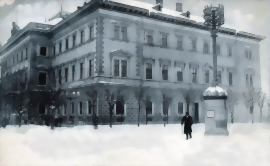
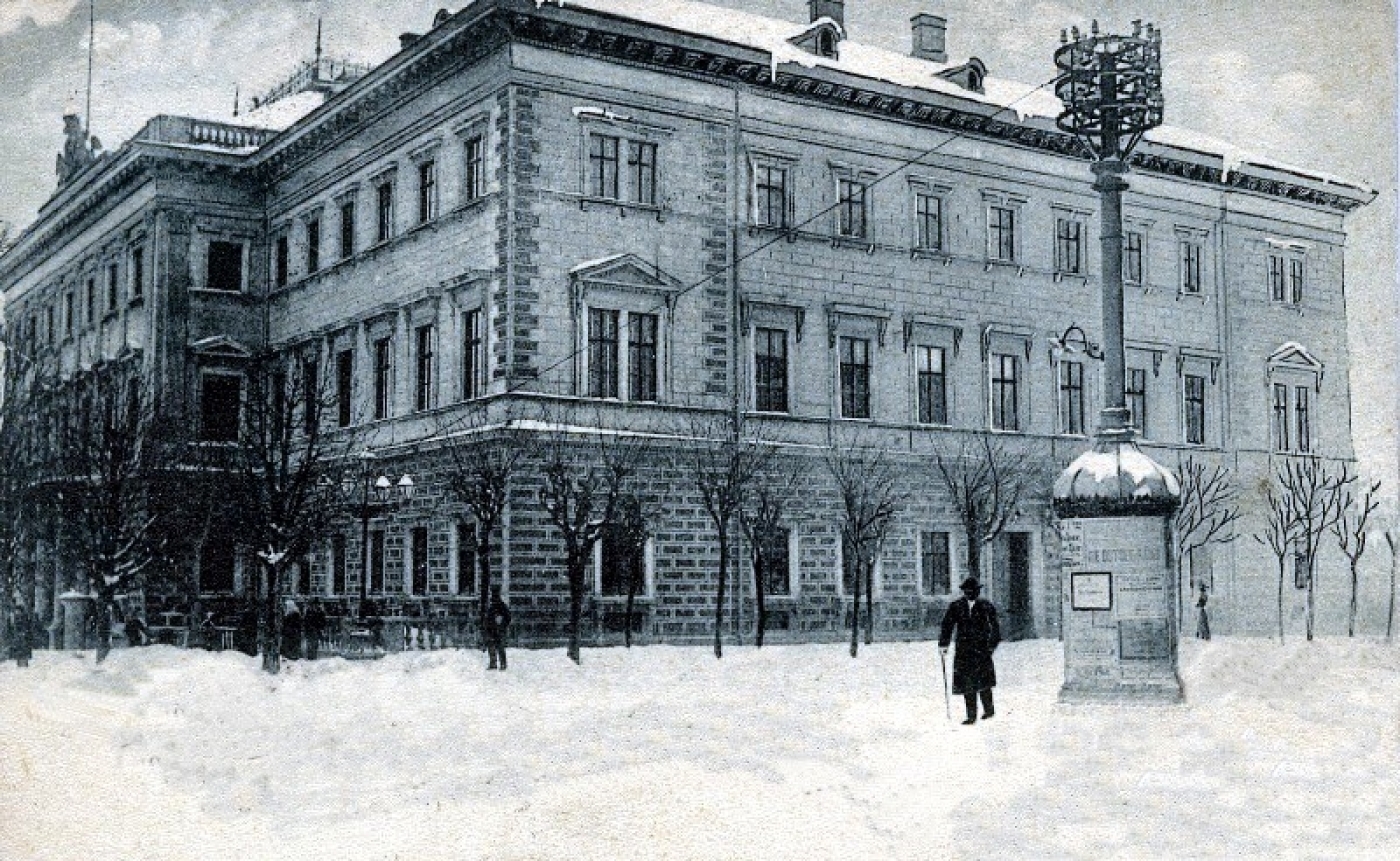
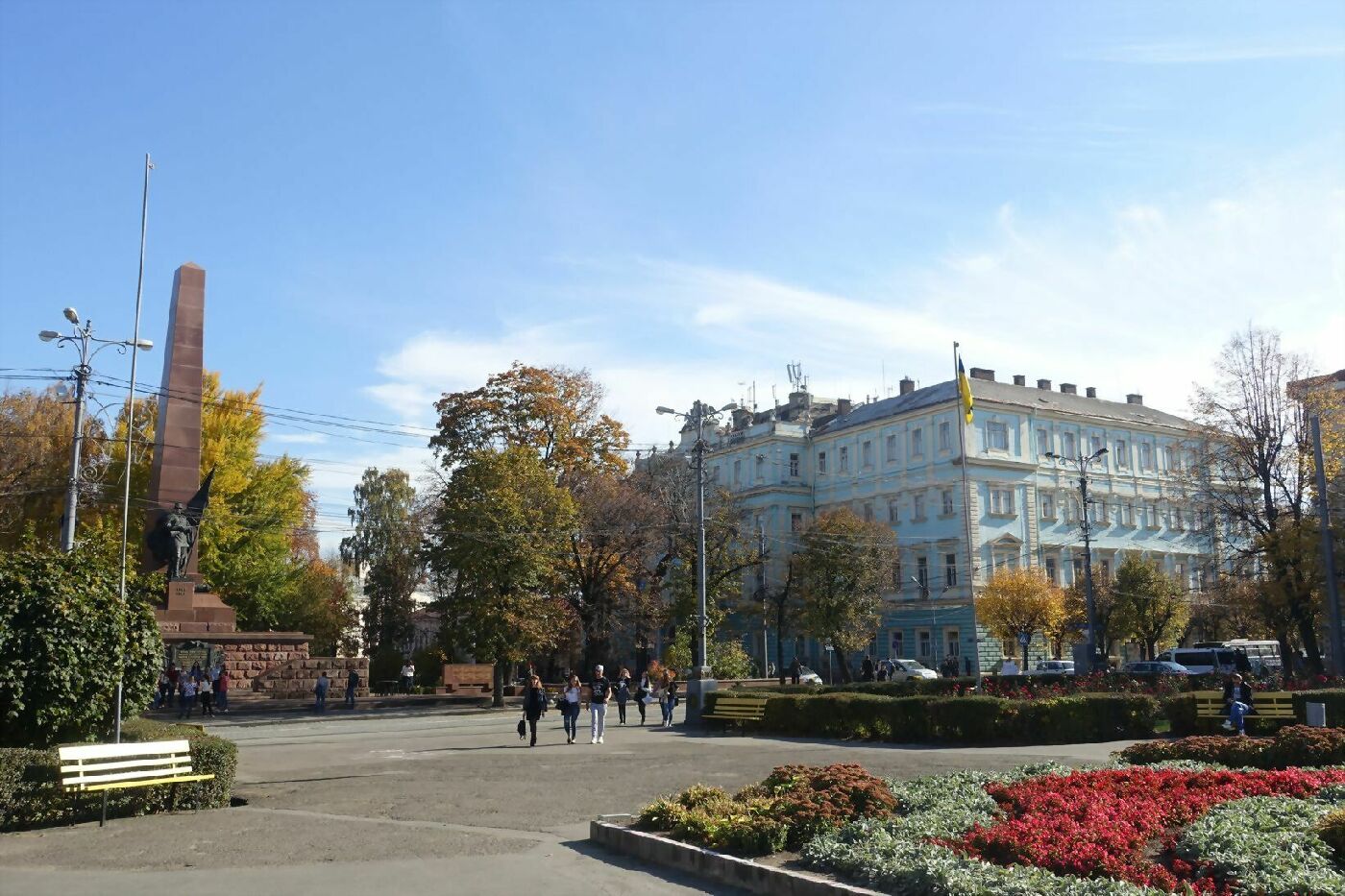
The principle and main objective of the negotiations was to put all ethnic groups and all national languages on an equal footing. The purpose of national equalisation was to create an electoral system that took account of all ethnic groups. The National Compensation agreed in 1910 was the initiative of three political leaders in Bukovina: the Young Ruthenian Nikolaus von Wassilko, the founder of the Romanian Democratic Party Aurel von Onciul and the founder of the National Jewish Party Benno Straucher.
Some of the Bukovina Compromise bills were literally modelled on the Moravian Compromise laws of 1905. However, in the provincial capital of Chernivtsi there were not two but five 'national curiae' in the provincial parliament: Ruthenians (Ukrainians), Romanians, Germans, Poles and Jews. The inclusion of the Jewish population as a separate national electoral group was the real sensation of the Chernivtsi settlement negotiations. And this inclusion of the Jewish population in the system of political and national representation of a crown land was unique in the whole of Austria, as the Jews had previously been perceived only as a religious community. However, the Viennese government did not agree with the consensus reached in Chernivtsi. It vetoed the introduction of a separate Jewish national electorate and a separate Jewish curia in the provincial parliament. The Jews then formed a joint curia with the Germans.
The Bukovina Landtag was considerably enlarged from 31 to 63 members as a result of the Landtag reform carried out at the same time. The first elections under the new system were held in Bukovina in April and May 1911.
At the time, the electoral system was considered one of the most complex in the Habsburg Monarchy and did not reflect the reality of the Crown Land of Bukovina, which was a multi-ethnic state. There were more minorities in Bukovina than the four curiae and electoral groups could take into account. The smaller ethnic groups therefore had to join the larger groups in order to have their votes counted. Nevertheless, on the eve of the First World War, this system was fairer than the electoral systems in most other Crown Lands.
Text: Ruslana Bovhyria
Materials: John Leslie: Der Ausgleich in der Bukowina von 1910: Zur österreichischen Nationalitätenpolitik vor dem Ersten Weltkrieg. Erschienen, Geschichte zwischen Freiheit und Ordnung. Hg. v. Emil Brix, Thomas Fröschl, Josef Leidenfrost. Graz 1991, S. 113-144.