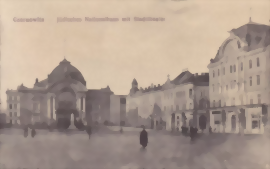
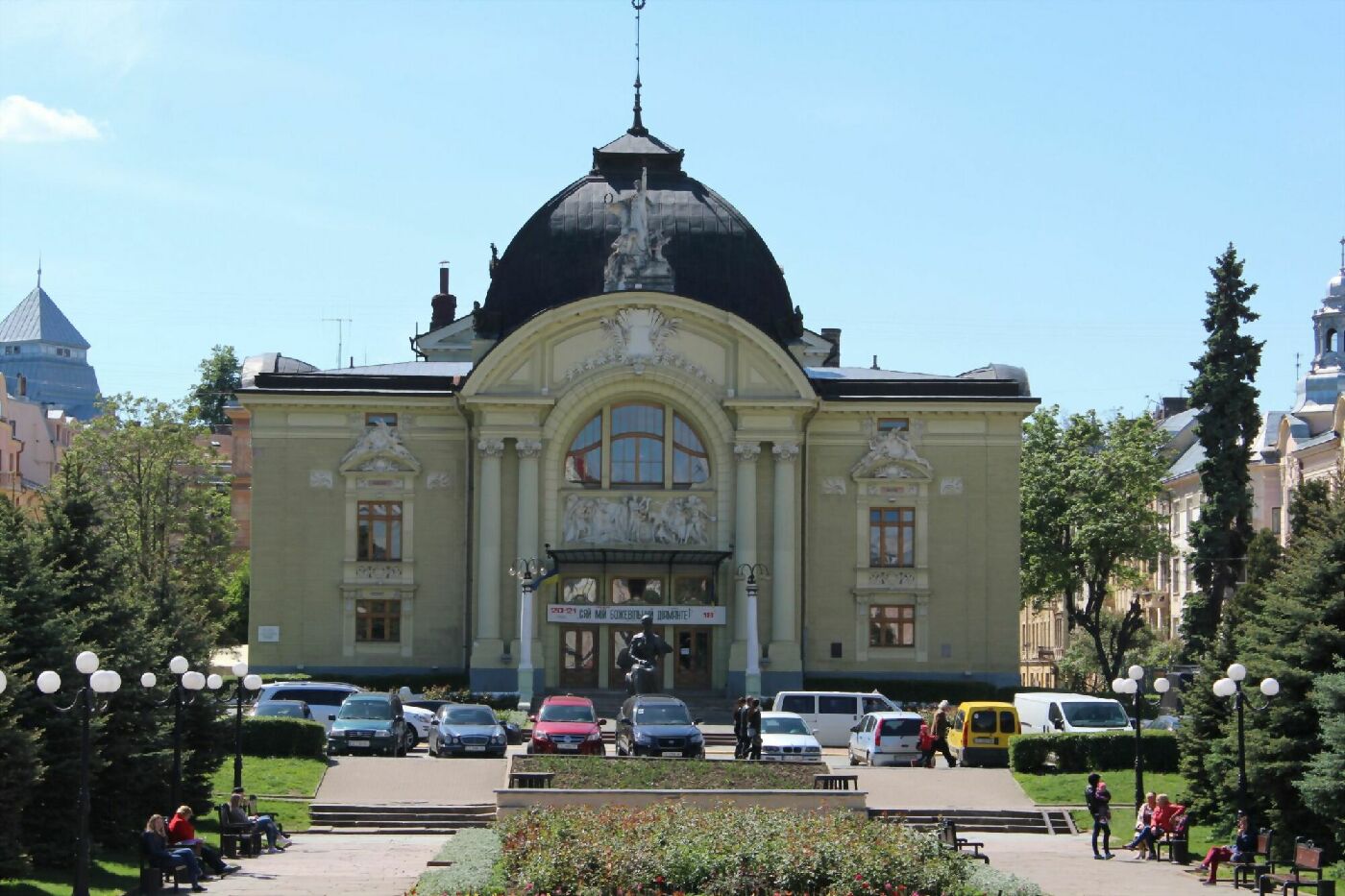
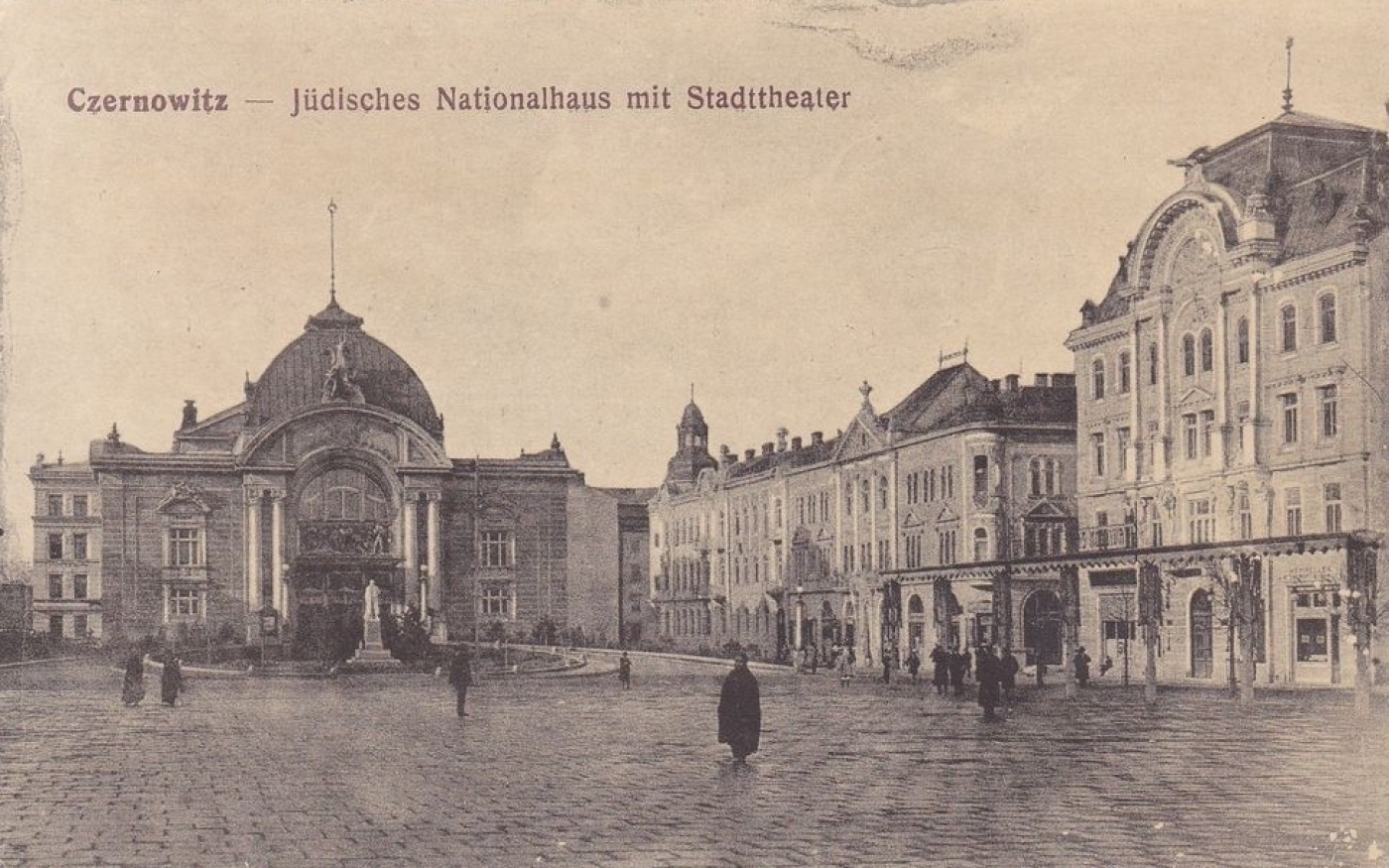
The building was designed by the famous Viennese architects Fellner & Helmer, who designed more than 40 theatres throughout Europe. These include the municipal theatre in Fürth (Bavaria), which is a twin of the Chernivtsi theatre. The reason for the two identical buildings was the financial problems that delayed the realisation of the 600,000 crowns project for the Bukovina Theatre at the beginning of the 20th century. As a result, in 1902 the architects used the design of the Chernivtsi theatre to build the Fürth theatre. The building was constructed in the neo-baroque style and is characterised by a French dome and a Melpomene placed in front of it, as well as the frontal arched portal architecture, which is decorated with a sculptural group from the Oedipus legend.
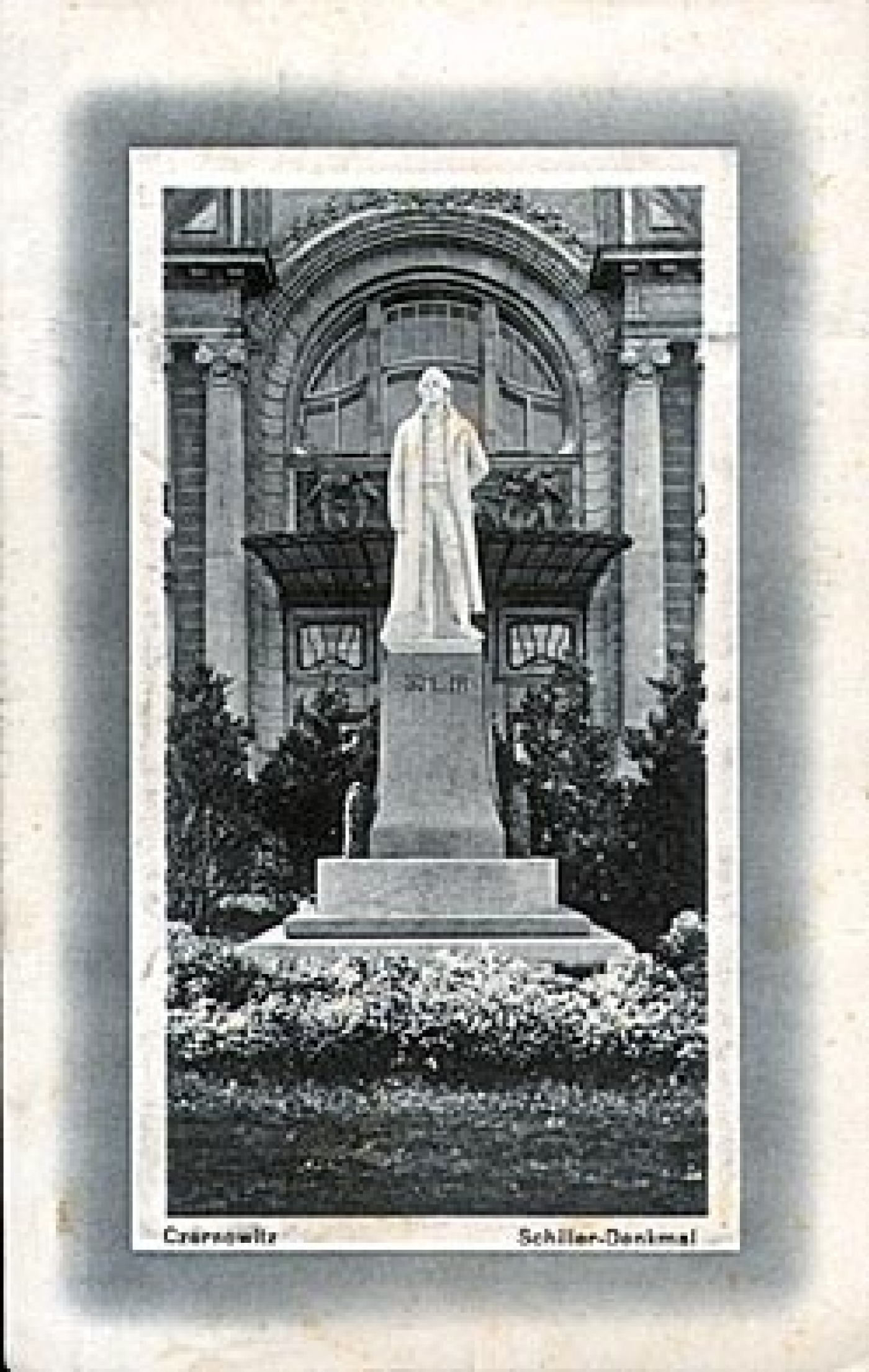
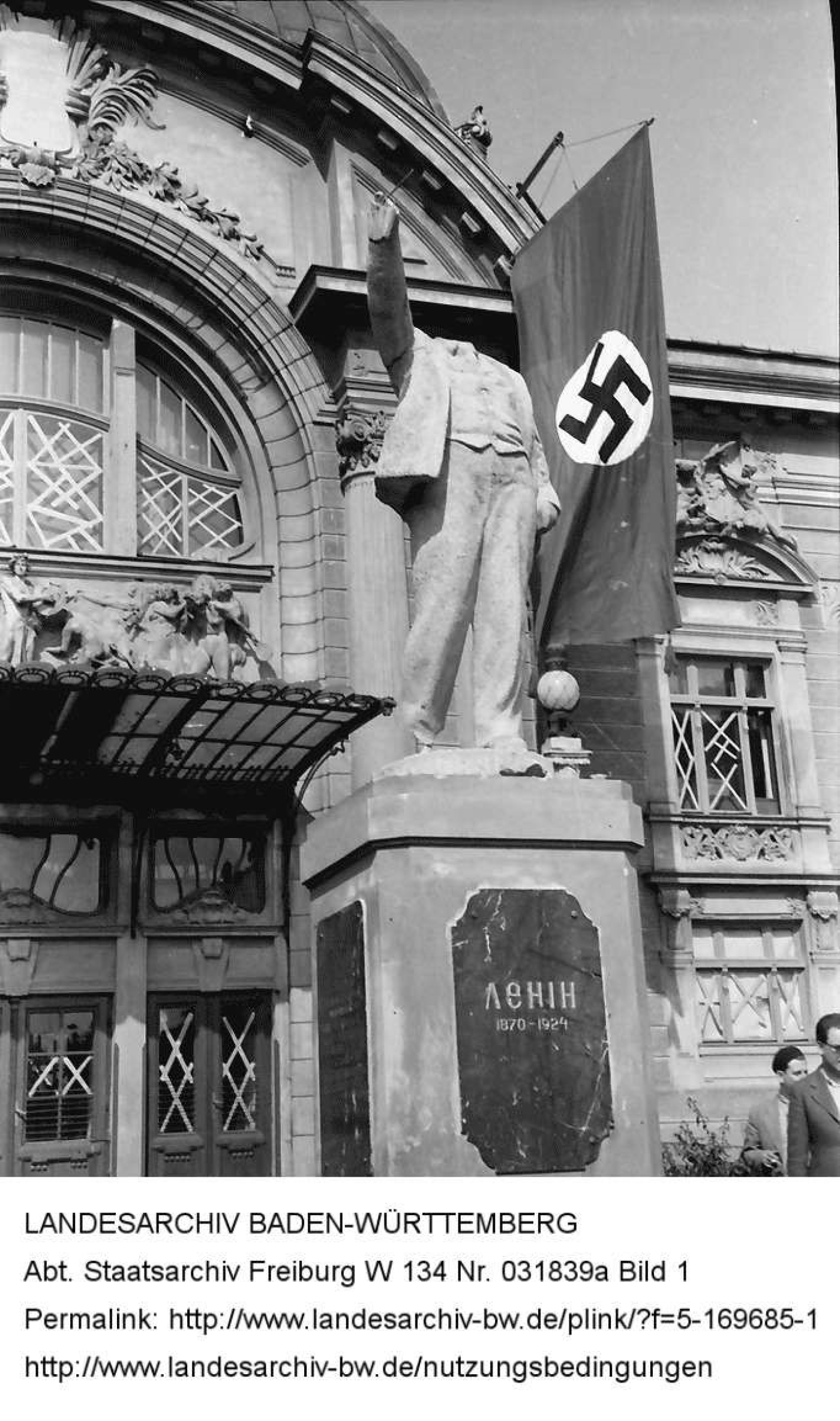
The history of the theatre is closely linked to the political development of Chernivtsi. For this reason, until the outbreak of the First World War, the authorities and the press regularly discussed the expansion of the institution and the construction of a new building, which was finally decided upon but could not be realised. After the fall of the Habsburg monarchy, the theatre was renamed during the Romanian occupation. The theatre was closed and renamed the “Romanian National Theatre” after Romanian students stormed the auditorium and drove out the audience during a performance of Friedrich Schiller's “Die Räuber” on 29 December 1921. In the following years, German plays could only be performed in Chernivtsi in the German House or the Musikverein (Philharmonic). The Friedrich Schiller monument, which had stood in front of the theatre since 1907, was removed and placed in the garden of the German House. Only the pedestal remains of this monument; the statue is considered lost. In place of the Schiller statue, a monument to the Romanian writer Mihai Eminescu was erected in front of the theatre. When the Soviet authorities came to power in 1940, the Eminescu statue was replaced by a monument to Lenin.
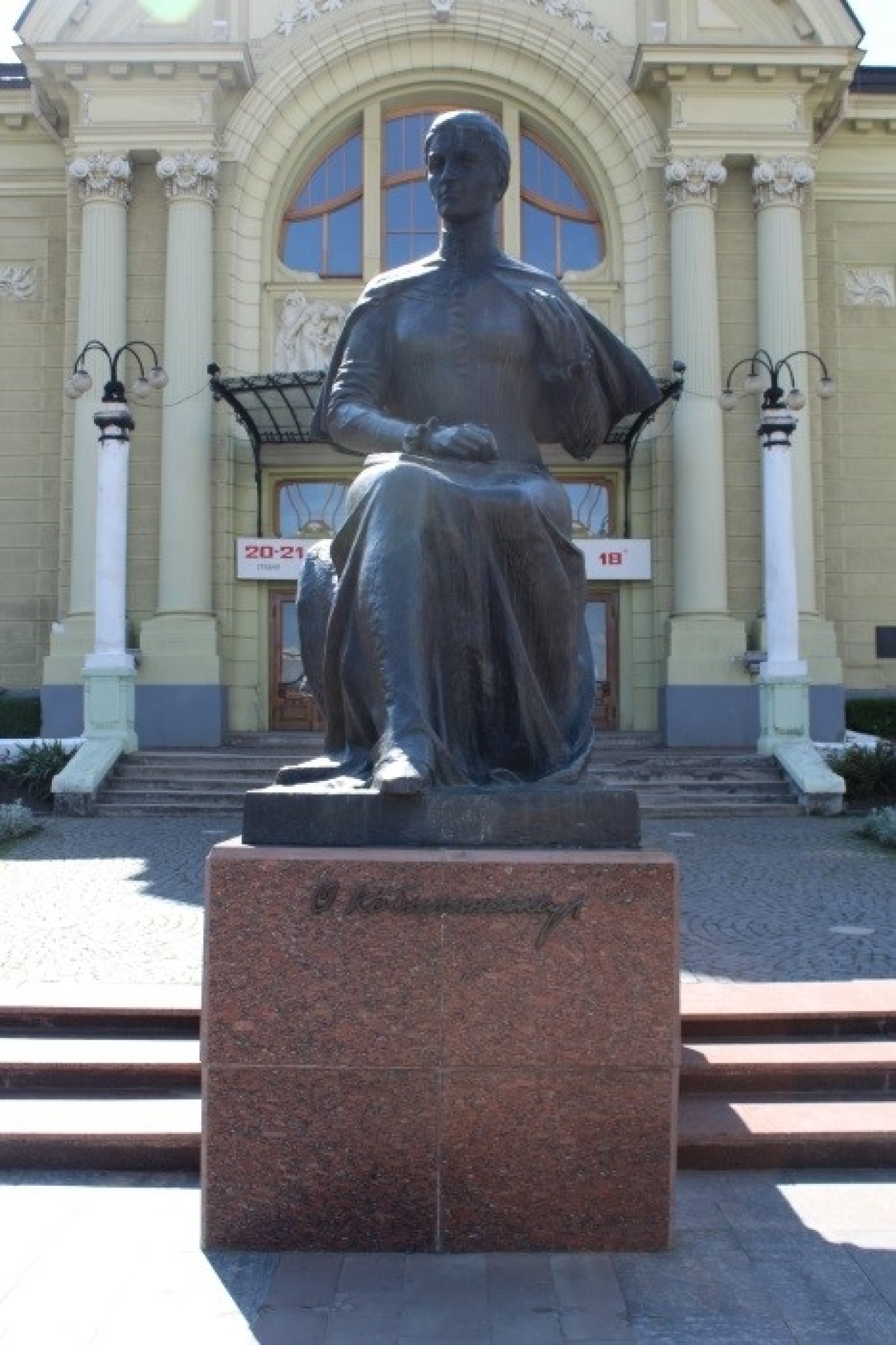
Since 1954 the theatre has been called the Ukrainian Musical-Dramatic Olha-Kobyljanska Theatre. In 1980, a monument to the Ukrainian national poet and namesake was erected in front of the theatre. Since the mid-1950s, the theatre has hosted some 600 different performances, all in the Ukrainian language. These have included ballet and orchestral performances, operettas and plays. Among the plays staged are Federico García Lorca's “Fernanda Alba's House” and Arthur Laurents' “West Side Story”. The theatre also organises an annual comedy festival that travels to various Ukrainian cities. According to the theatre's director, Yuriy Martschak, after a decline in attendance in the early 1990s, the demand for tickets is now high again. Premieres are particularly popular, with audiences from the city and the surrounding area travelling to Chernivtsi to see the 63-member theatre company.
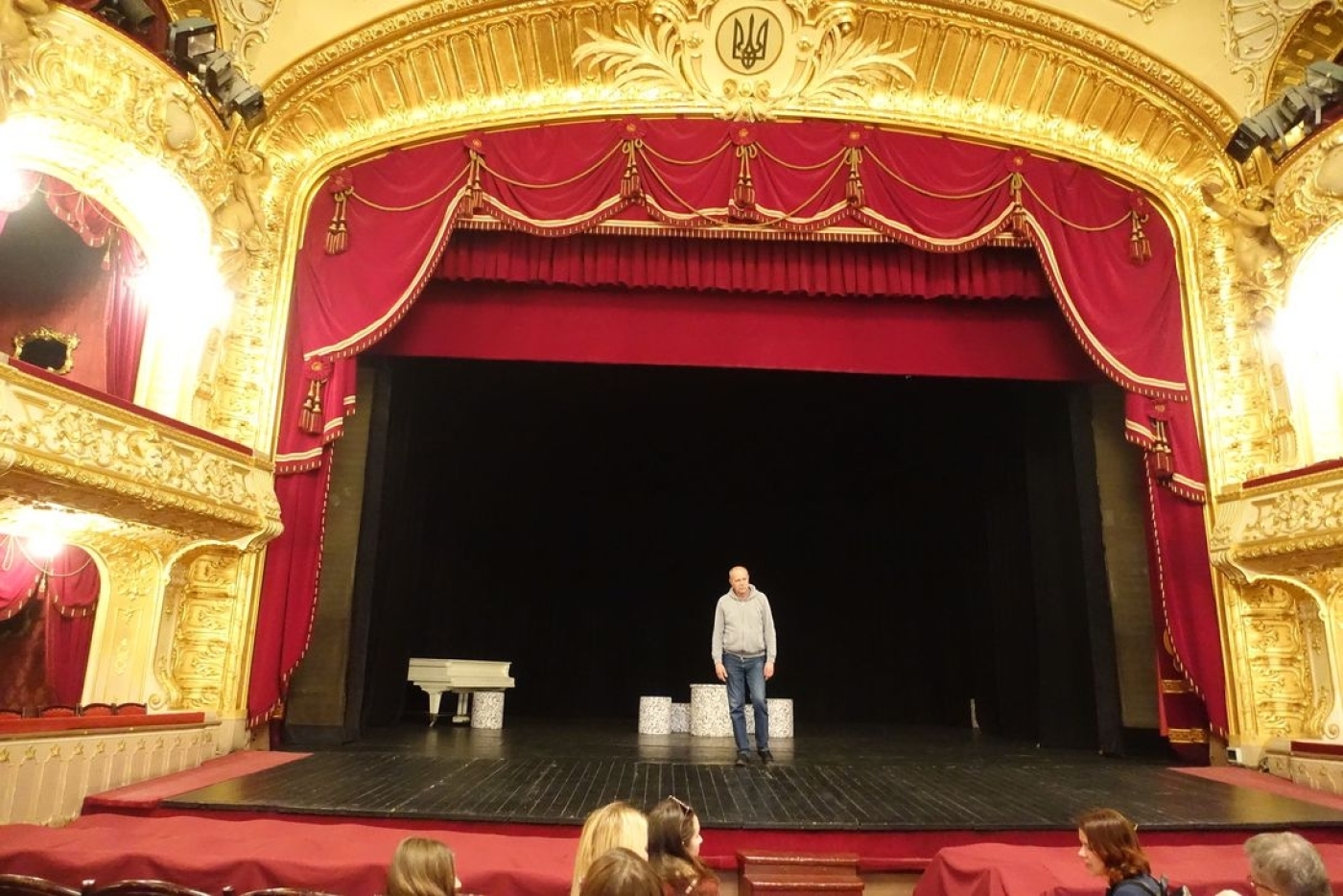
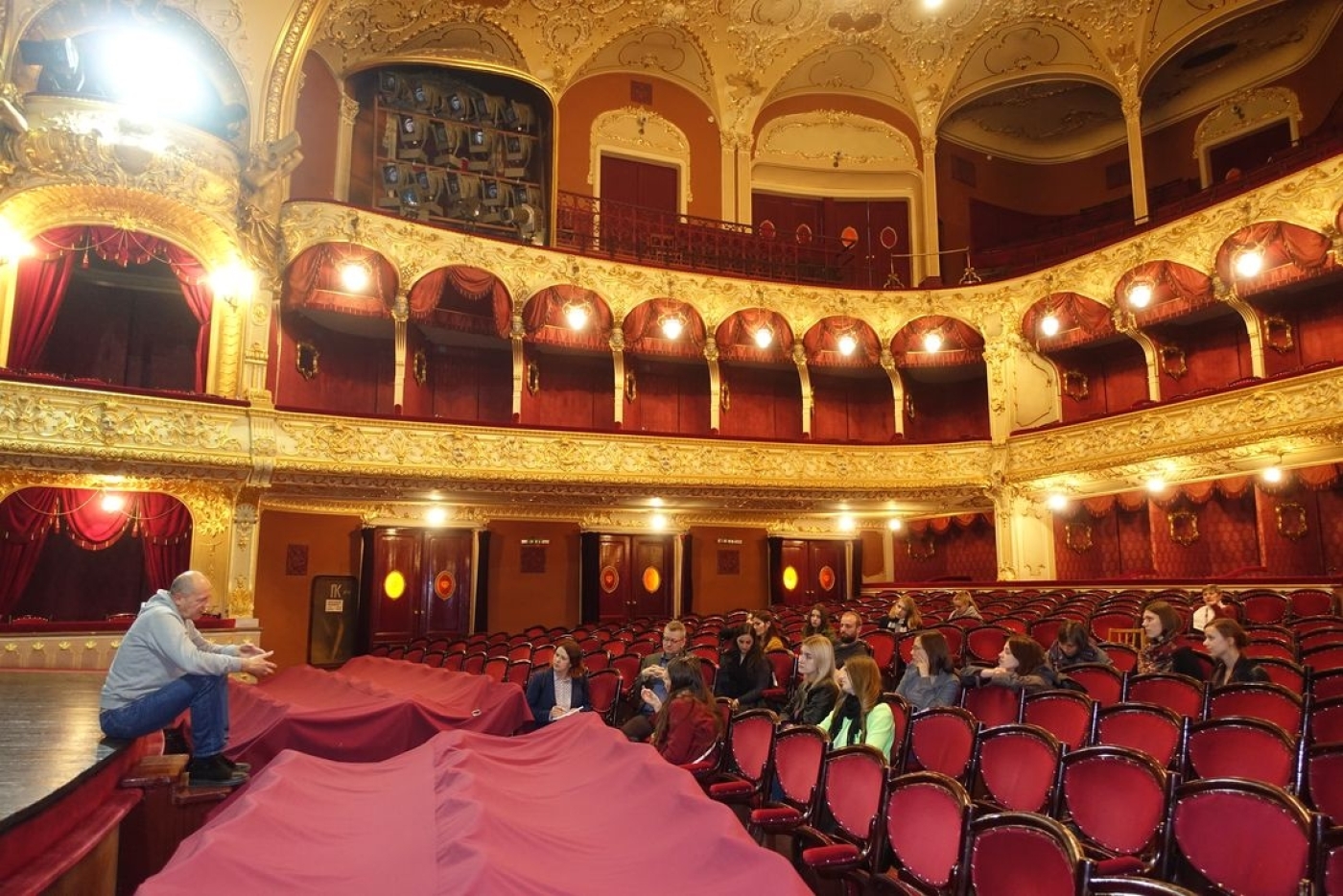
The theatre was renovated in 1979. In the process, 2.5 kilos of gold leaf was used inside the building. The chandeliers, patterned wallpaper and gilded sculptures have been preserved in their original form. The side balconies and the ceiling of the Rococo auditorium, dominated by the colours gold and red, are still decorated with compositions of ancient artistic deities.
The theatre originally had 813 seats and standing room. The former balcony standing area, which was mainly used by students, has since been converted into seats, bringing the total capacity to 730. The buildings, designed by Fellner & Helmer, are renowned for their acoustic finesse. For example, there is a 2.80 metre deep “acoustic hole” under the floor of the foyer, which doubles the volume generated above it. The stage has also been designed so that all members of the audience experience the same sound, regardless of where they sit in the auditorium.
Text: Daniela Gast