Monuments, in particular, as deliberately placed signs in public space, form intentional visualisations and stagings of a desired or normatively prescribed collective identity, combined with exclusive claims to ownership.
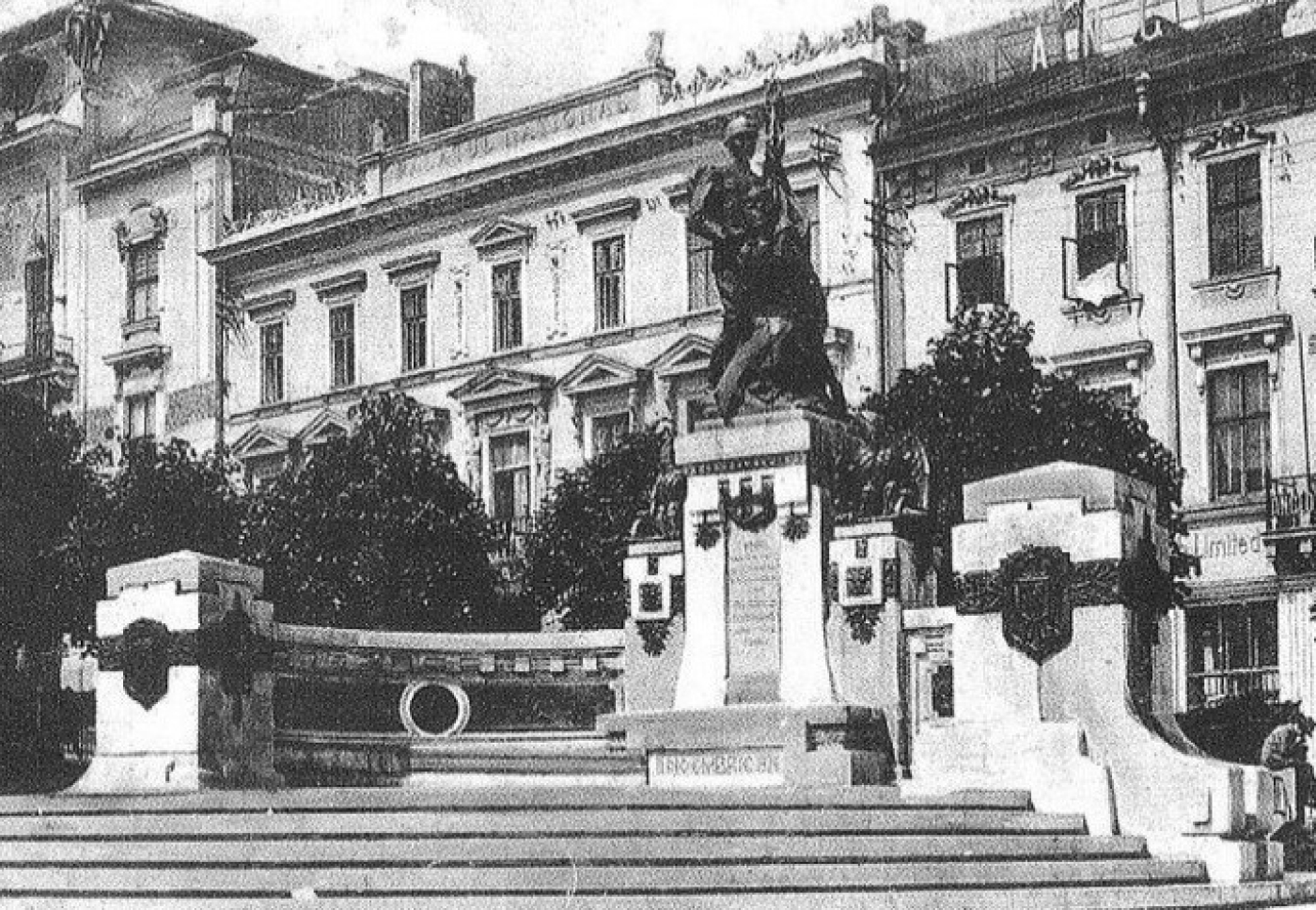
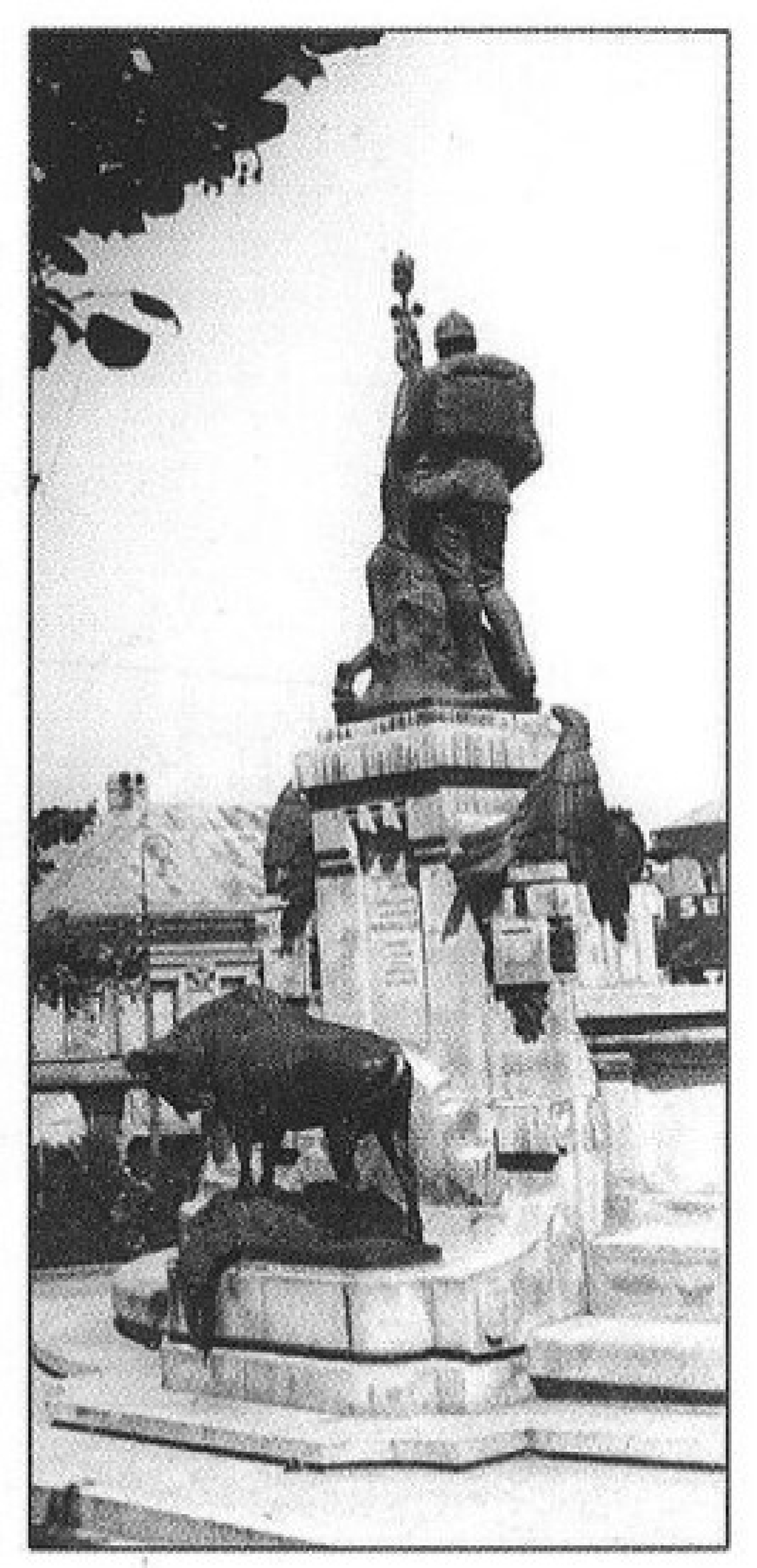
After 1918, national political monuments were erected in Chernivtsi to symbolise and legitimise Romanian rule, with the Unirea monument being the most representative in the whole of Bukovina. To mark the (re)annexation of the Crown Lands to Romania, a two-armed monument depicting scenes from Romanian history was erected in Piața Unirii (formerly Ringplatz, now Central Square) in November 1924. At the back, the Romanian aurochs crushes the Austrian double-headed eagle. The statue of the Virgin Mary, also on the central square, erected in 1827, was moved by the Romanian royal administration to the courtyard of the Sacred Heart Church in 1923 and demolished in 1944. As a symbol of Habsburg-Catholic rule, it was replaced by a soldier holding a Romanian flag.
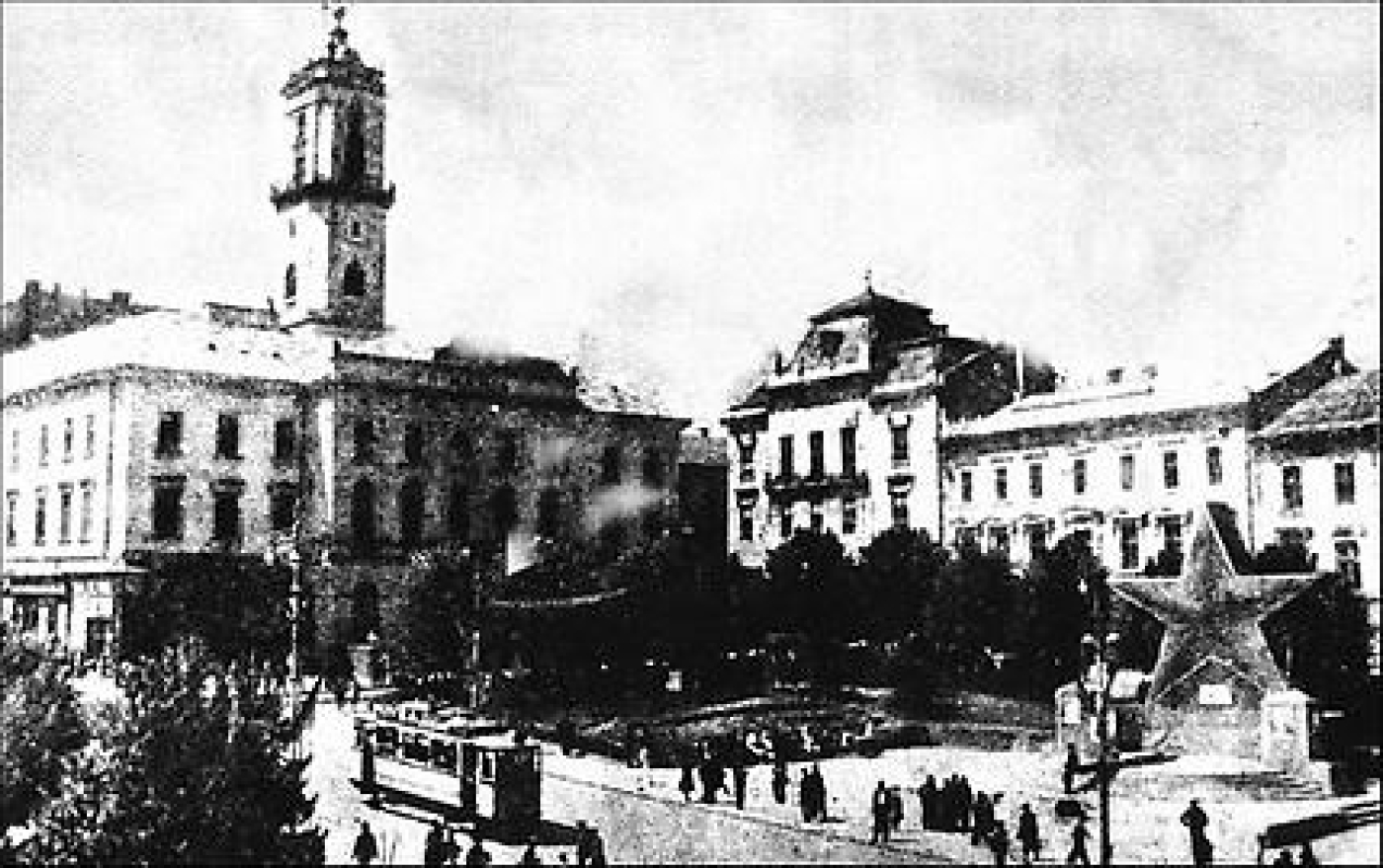
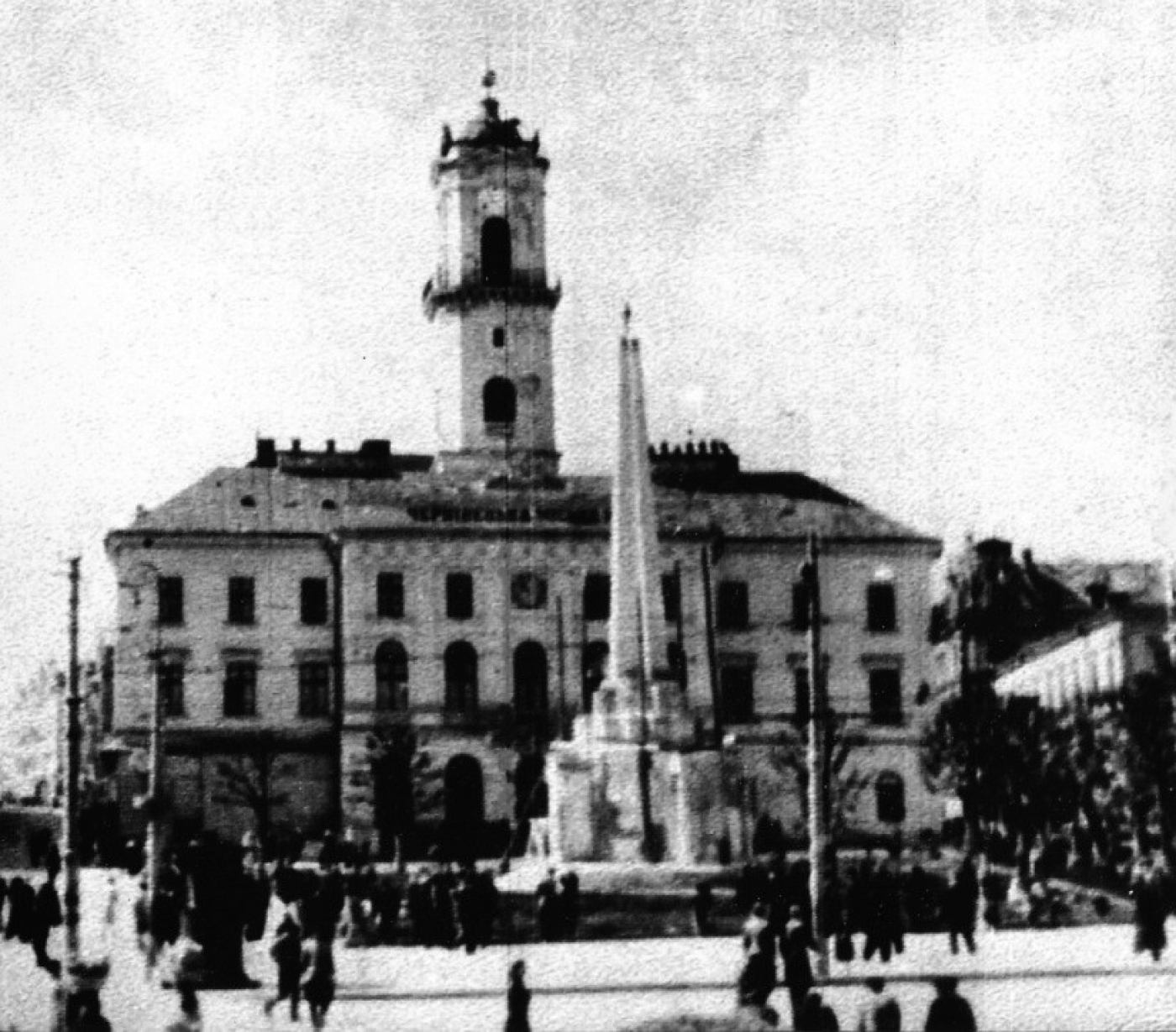
As in other former Crown Lands, attempts to occupy public space and erase history on a national scale were made in Chernivtsi after 1918. During the Romanian phase, monuments were erected to historian Dimitrie Onciul (1928) and Prime Minister Ion I.C. Bratriănu (1936), among others; the latter was moved to a museum in Bucharest after the Soviet invasion in 1940. In Chernivtsi, too, the “monument storm” functioned as a gesture of victory and was part of a struggle for interpretive power in the urban space. Accordingly, during the Soviet era, the Unirea monument was removed in three stages, in 1940, 1945 and 1951. First, a red star was erected opposite the original Unirea monument as a symbol of the Sovietisation of Northern Bukovina following the Hitler-Stalin Pact (1940). In 1945, after the return of the Soviets and the final annexation of Northern Bukovina, an obelisk was erected in the central square to mark the liberation.
Text: Steffen Höhne