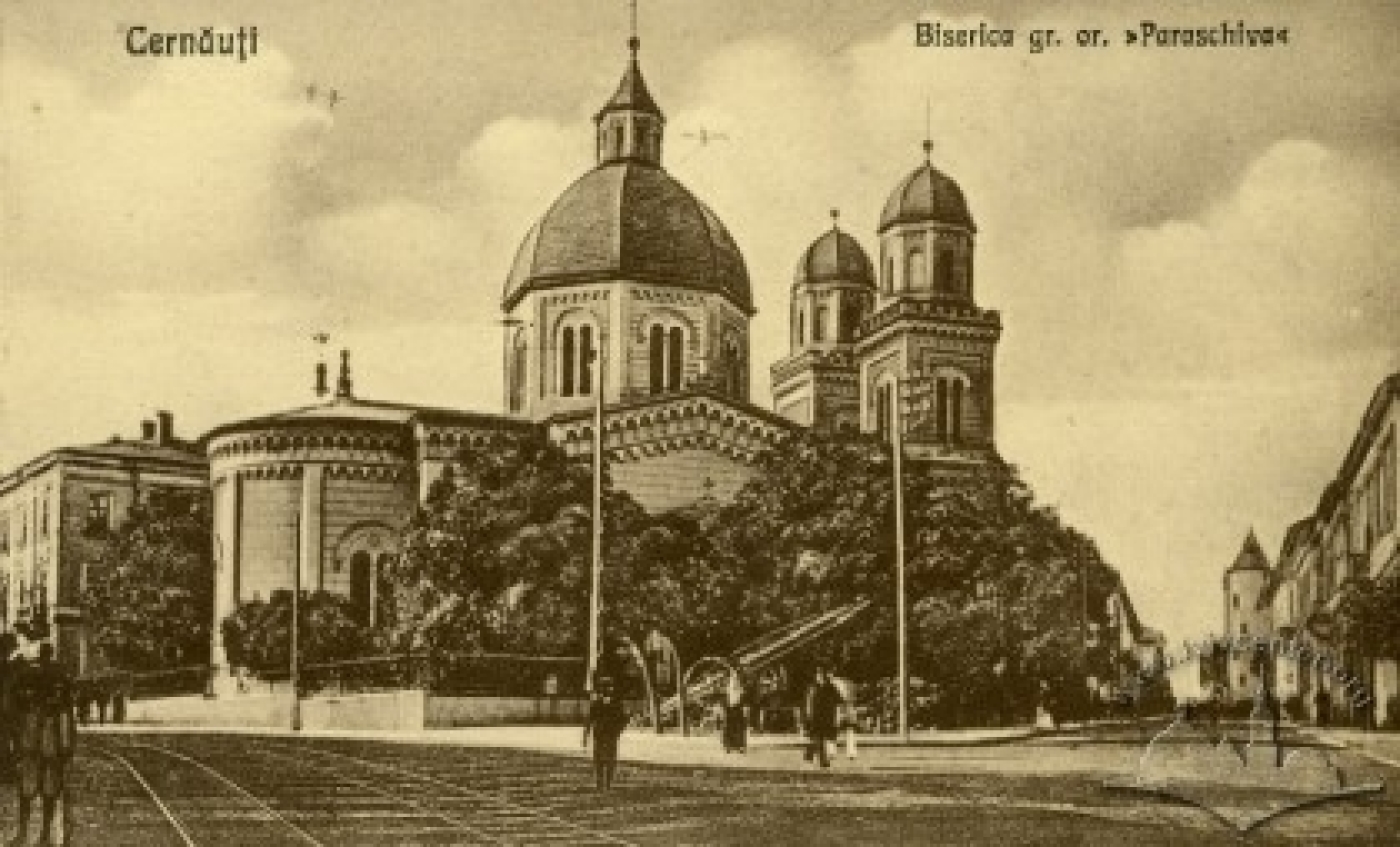
St. Paraskeva Church

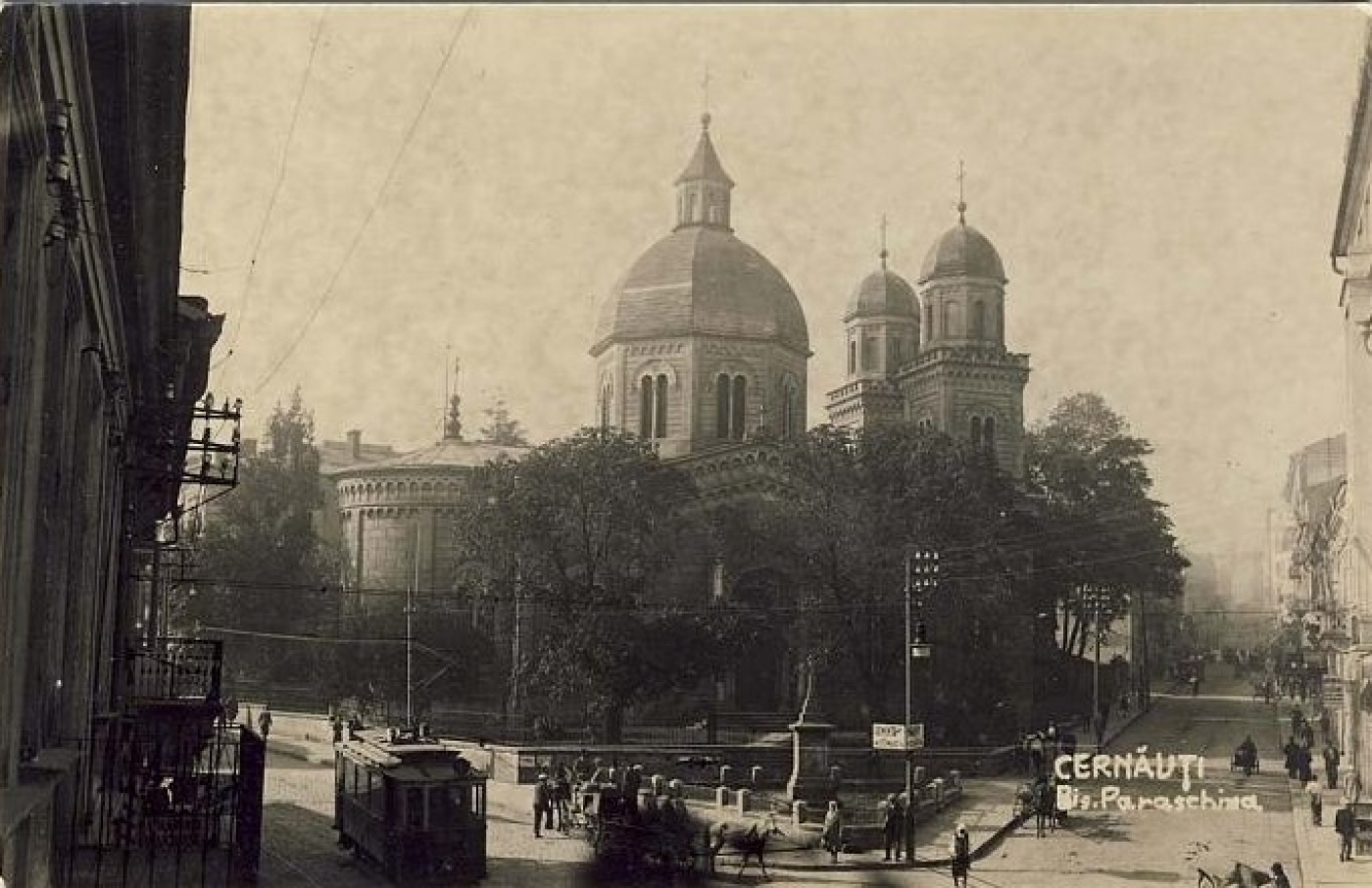
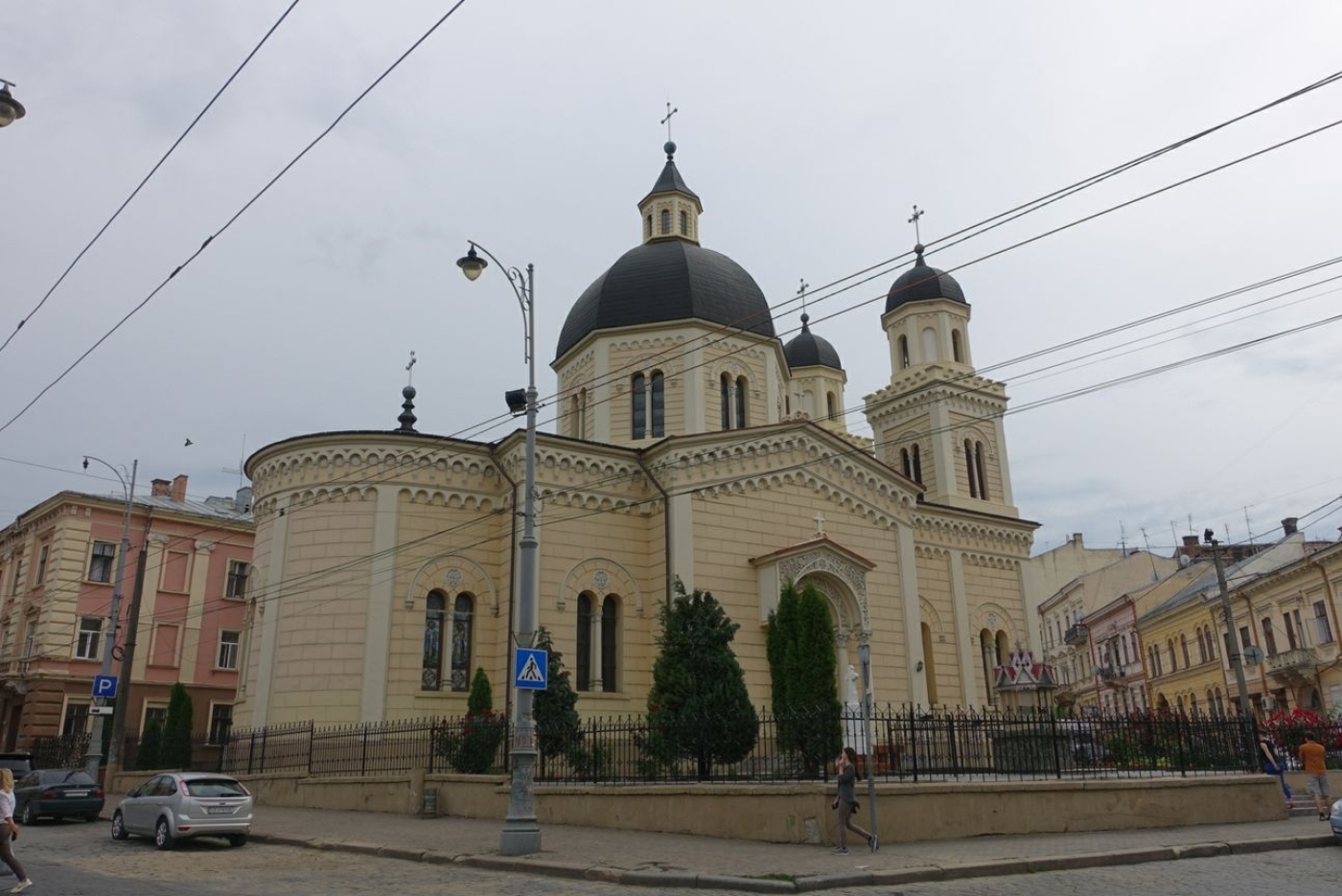
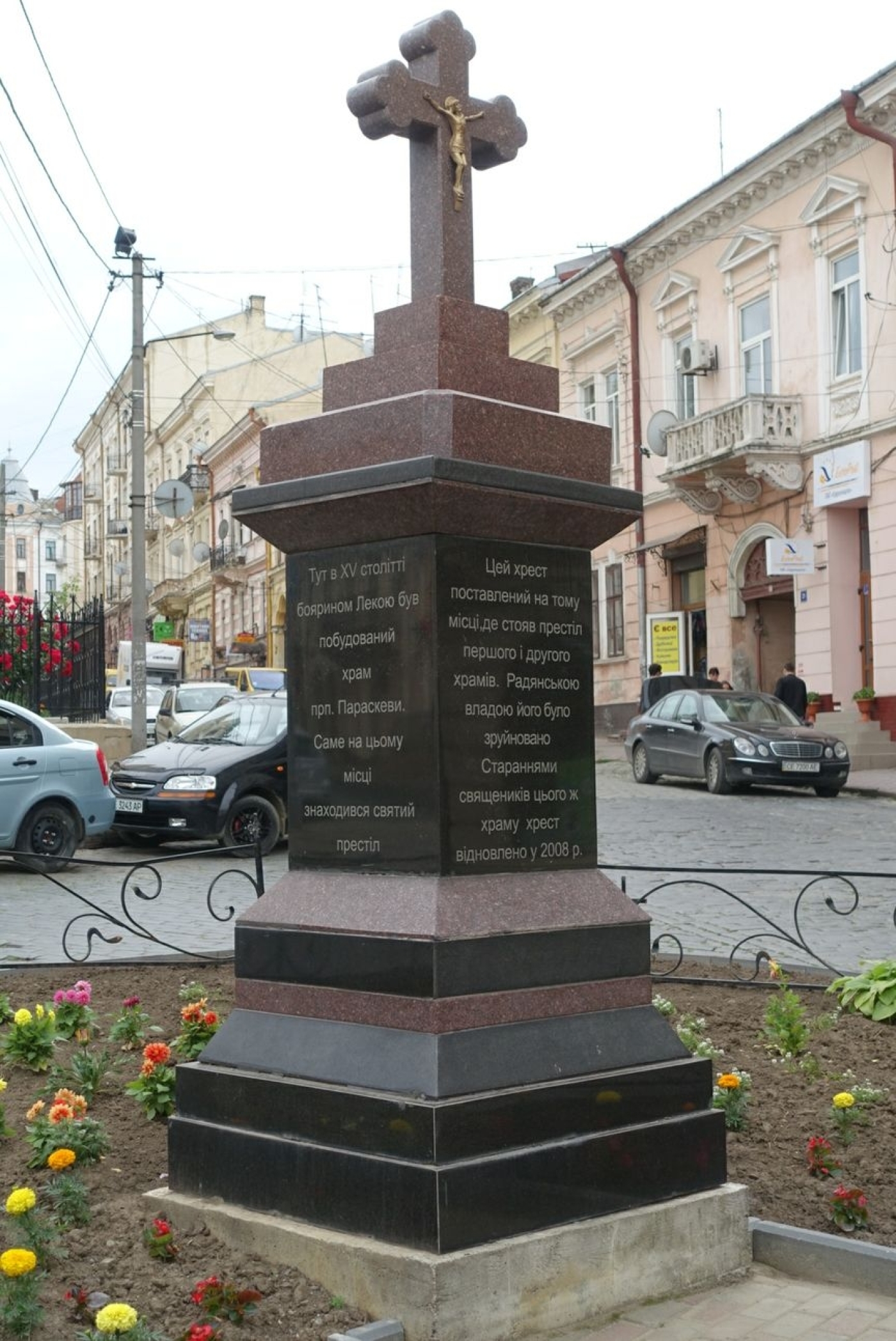
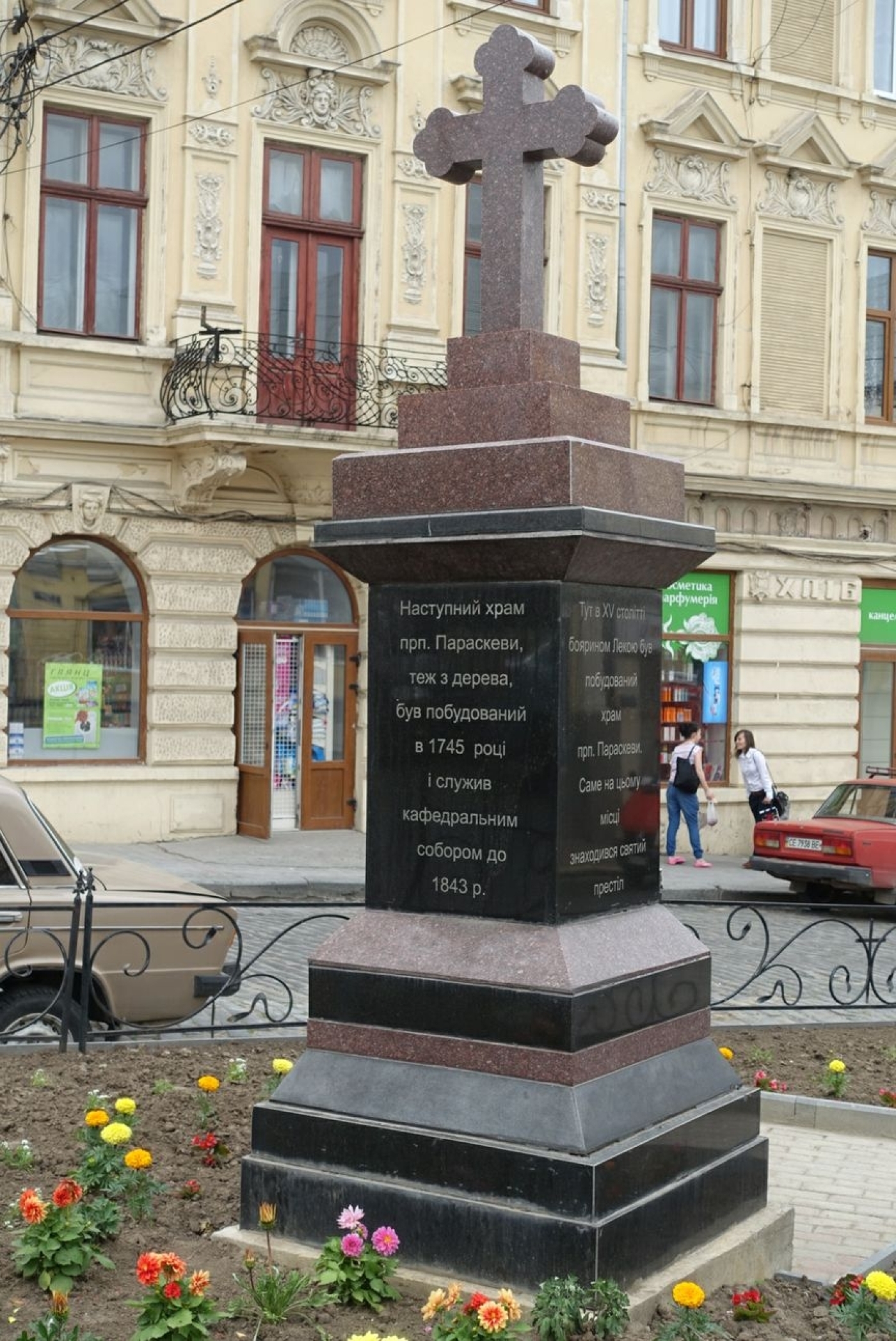
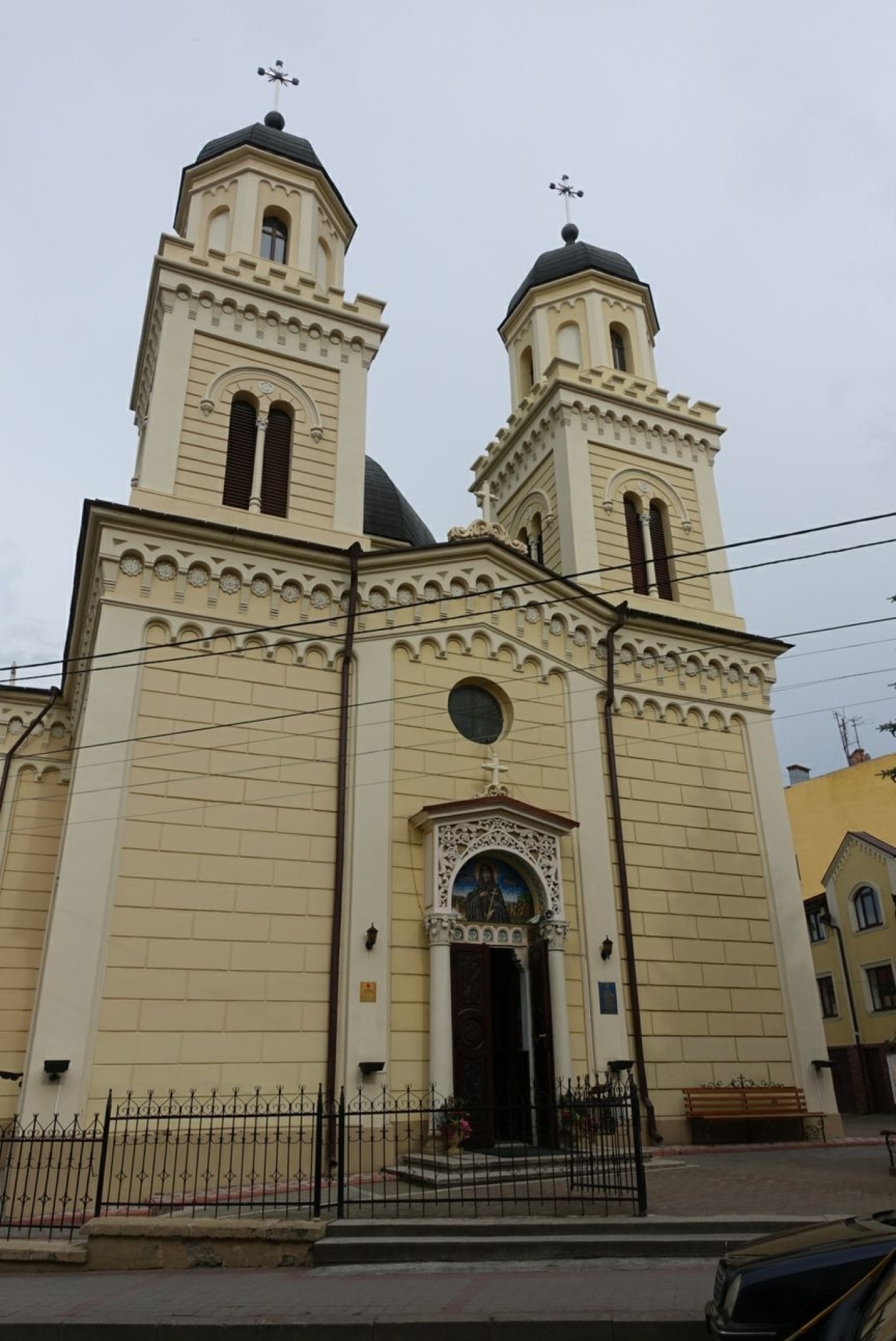
The first Greek-Catholic church, built of stone, is located on the corner of Holovna Street and Zankovecka Street. It was built not far from the former wooden Greek Orthodox church, where a cross now stands. The wooden church became dilapidated and had to be closed (according to the decision of the Bukovin District Administration of 9 April 1836). It was completely demolished in 1844. The Chernivtsi district engineer Adolf Marin and the architect Adam Pawlikowski were commissioned to design a new stone church.
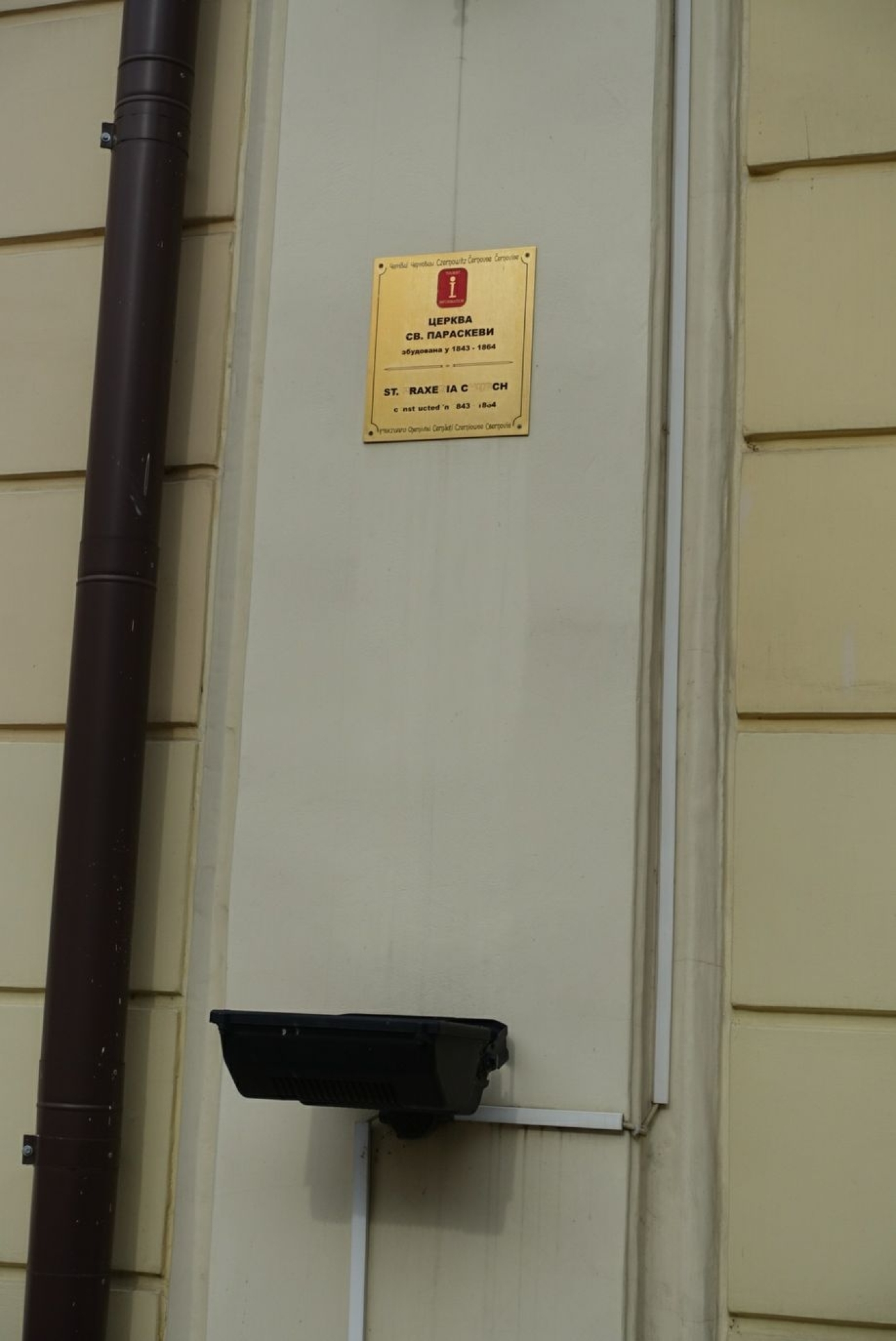
St. Paraskeva Church
Religious buildings and cemeteries
built
1848 - 1862

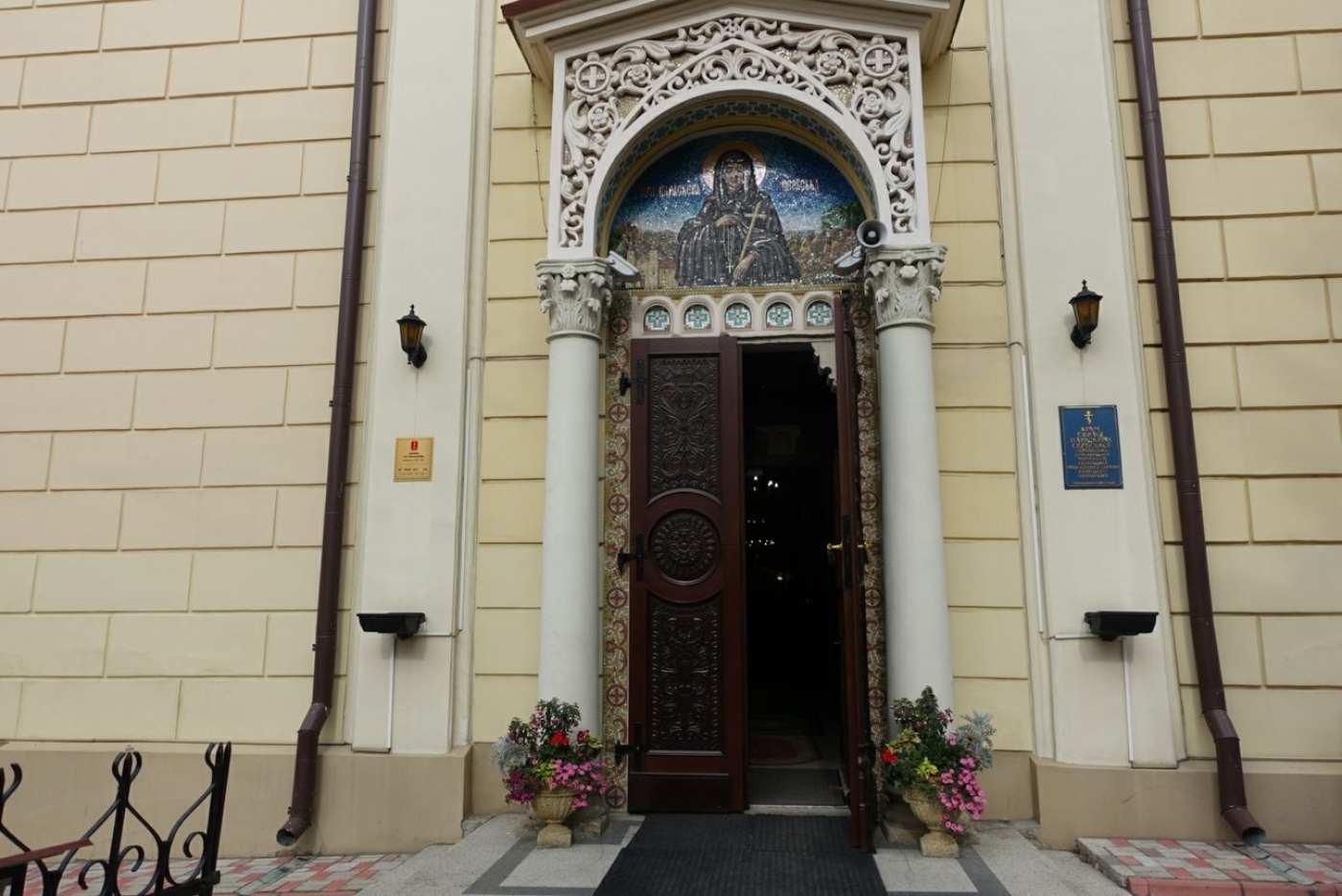
The cost of construction was raised from the Orthodox communities of Bukovina. Andrij Vasyljovyč, the parish priest of Paraskeva at the time, was particularly involved. The construction of the church started in 1848. Due to a lack of funds, the Bukovina Religious Fund also had to support the construction. The church is in the shape of a cross and built in the neo-Romanesque style. The height of the main dome is 34 metres.

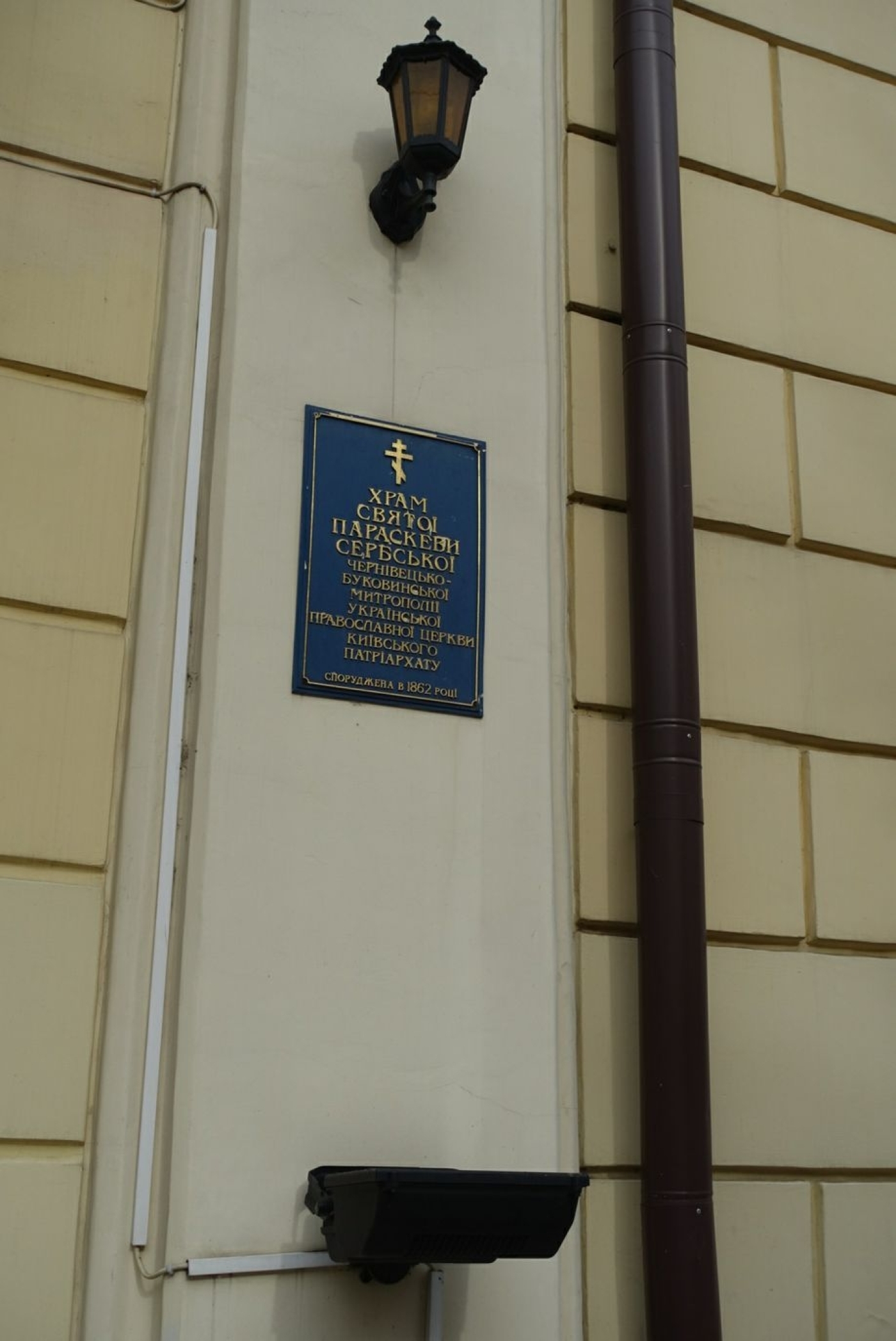
On 5 February 1862, the building was consecrated by Bishop Eugen Hackmann as the Church of St Paraskeva of Serbia. The Greek-Catholic church became an important cultural centre for the Bukovina Ruthenians. In 1909 the interior of the church was destroyed by fire and had to be rebuilt.

The Paraskevi Church served as a place of worship until 12 August 1962. After that, the church shared the fate of many churches in Chernivtsi and was turned into a warehouse and then, in 1968, into a chess club. All the frescoes in the church were destroyed. It was not until 1992 that the building became the property of the Orthodox Churches of the Kiev Patriarchate.

Text: Kateryna Stetsevych