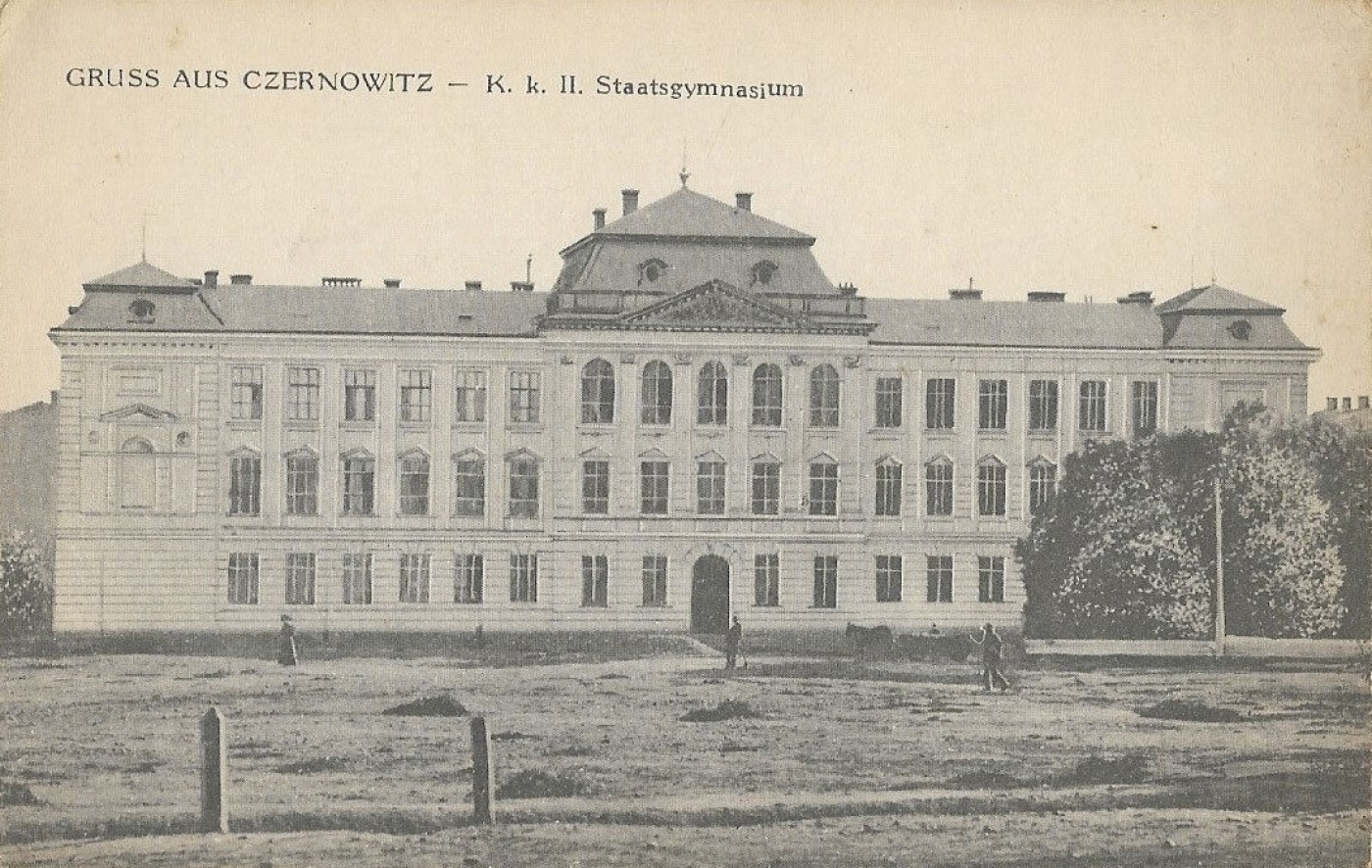
In Chernivtsi, Ukrainian-language education had already been introduced. In 1851 the k.k. I. State Gymnasium in Chernivtsi introduced Ukrainian as the language of instruction for the first time in 1851. Otherwise, Ukrainian was only taught in primary schools, while pupils at higher levels had to learn Church Slavonic. It was not until 1895 that Ukrainian was introduced in secondary schools.
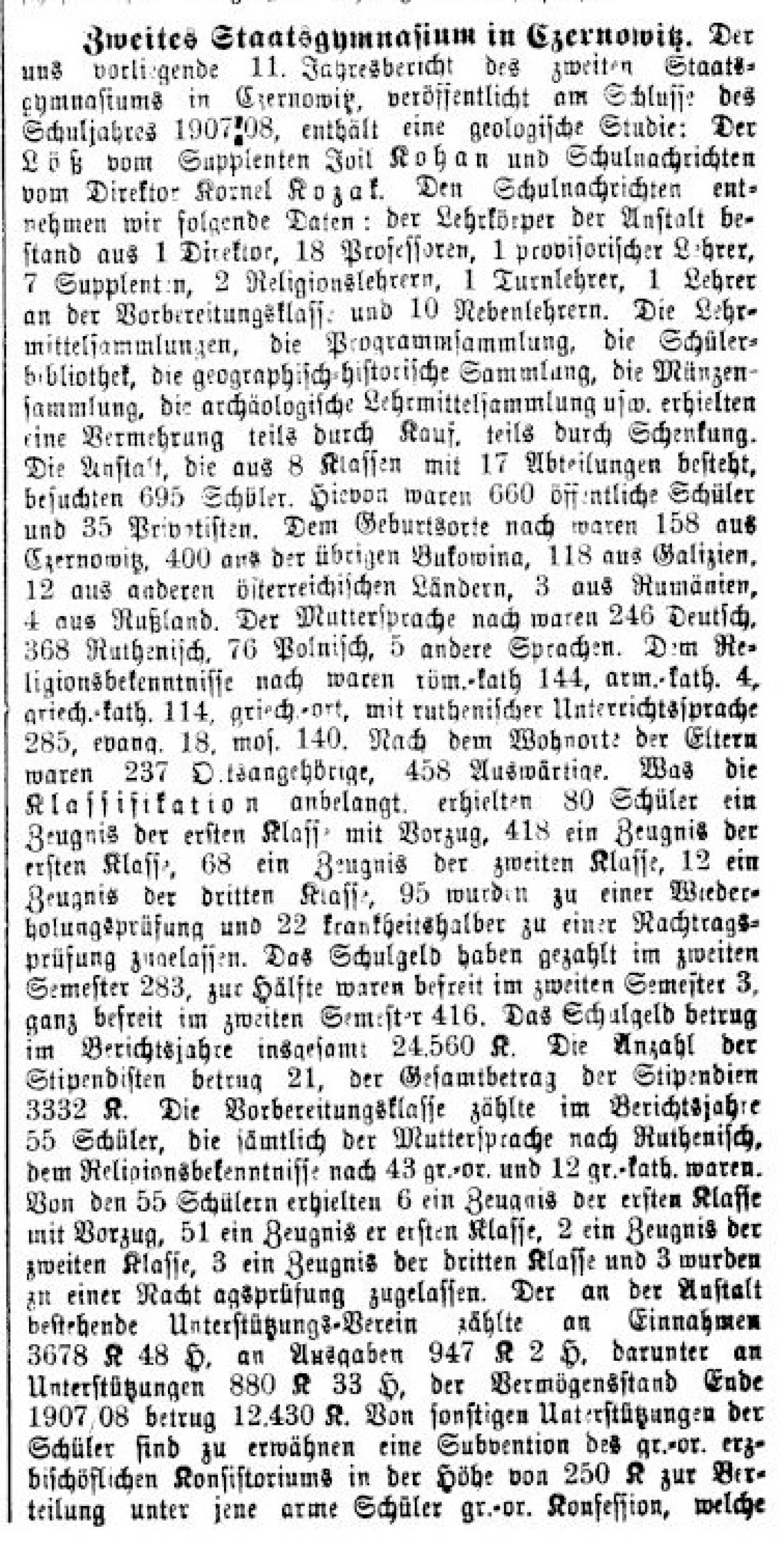
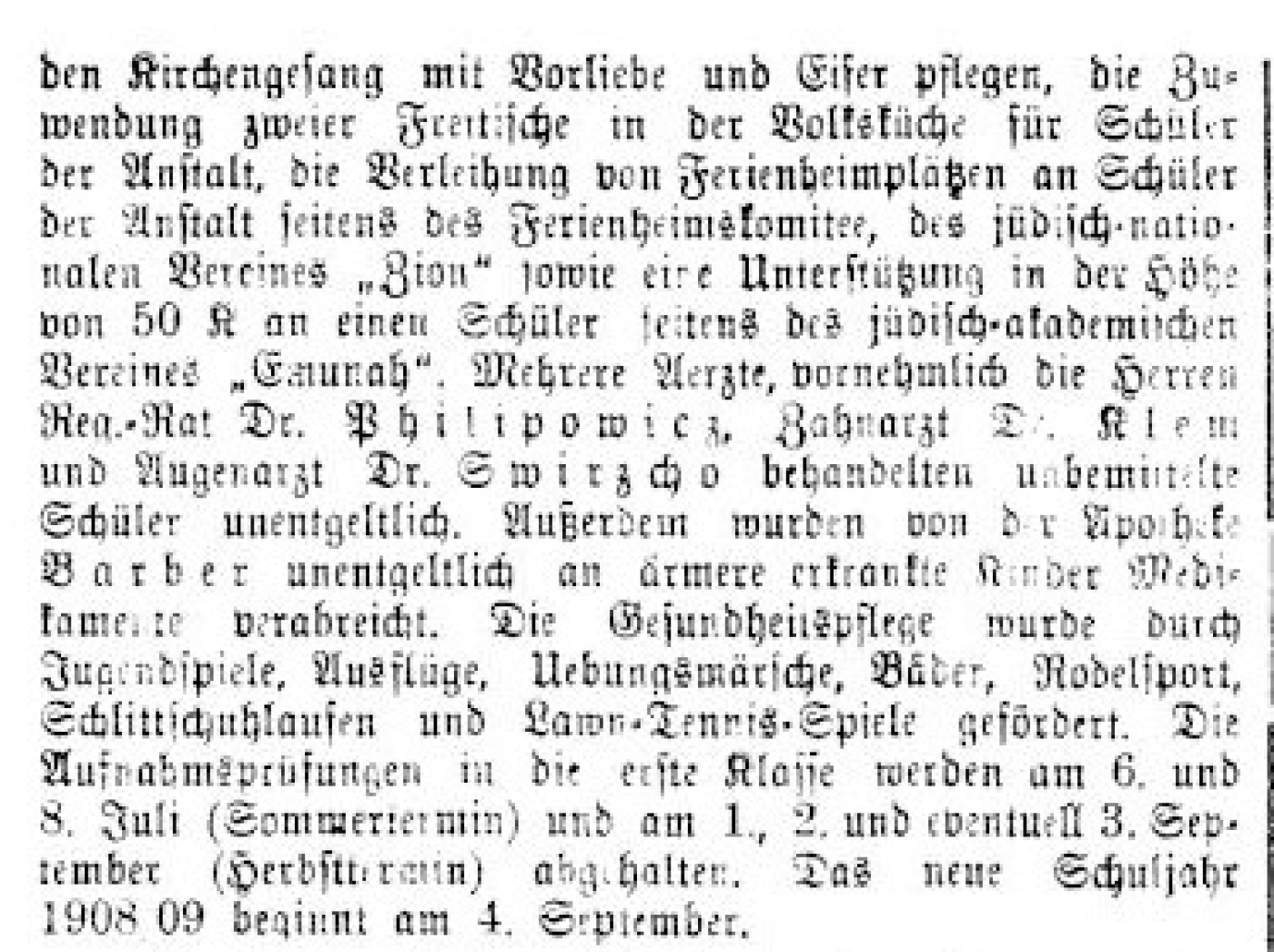
The first headmaster of the Second State Gymnasium was Vincenz Faustmann. In 1901 the school had 380 pupils, whose mother tongues were as follows 145 German, 164 Ukrainian, 65 Polish, 3 Romanian and 3 others. The religious affiliations were as follows 79 Roman Catholic, 12 Armenian Catholic, 65 Greek Catholic, 105 Greek Orthodox, 10 Protestant and 109 Jewish (Bukovinaer Post, 16 July 1901, p. 3).
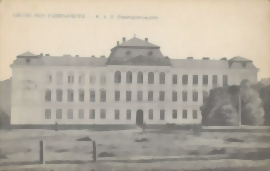
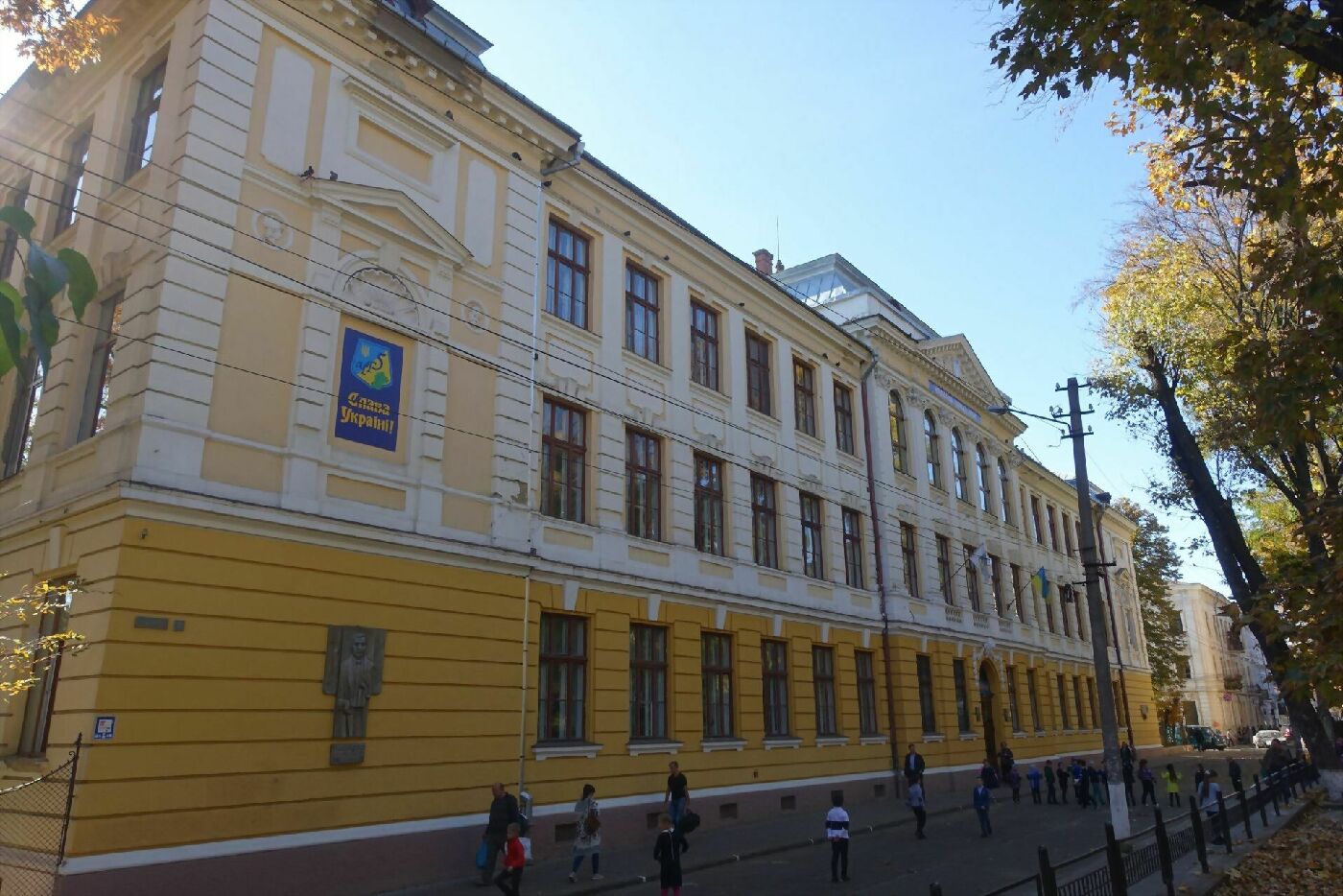
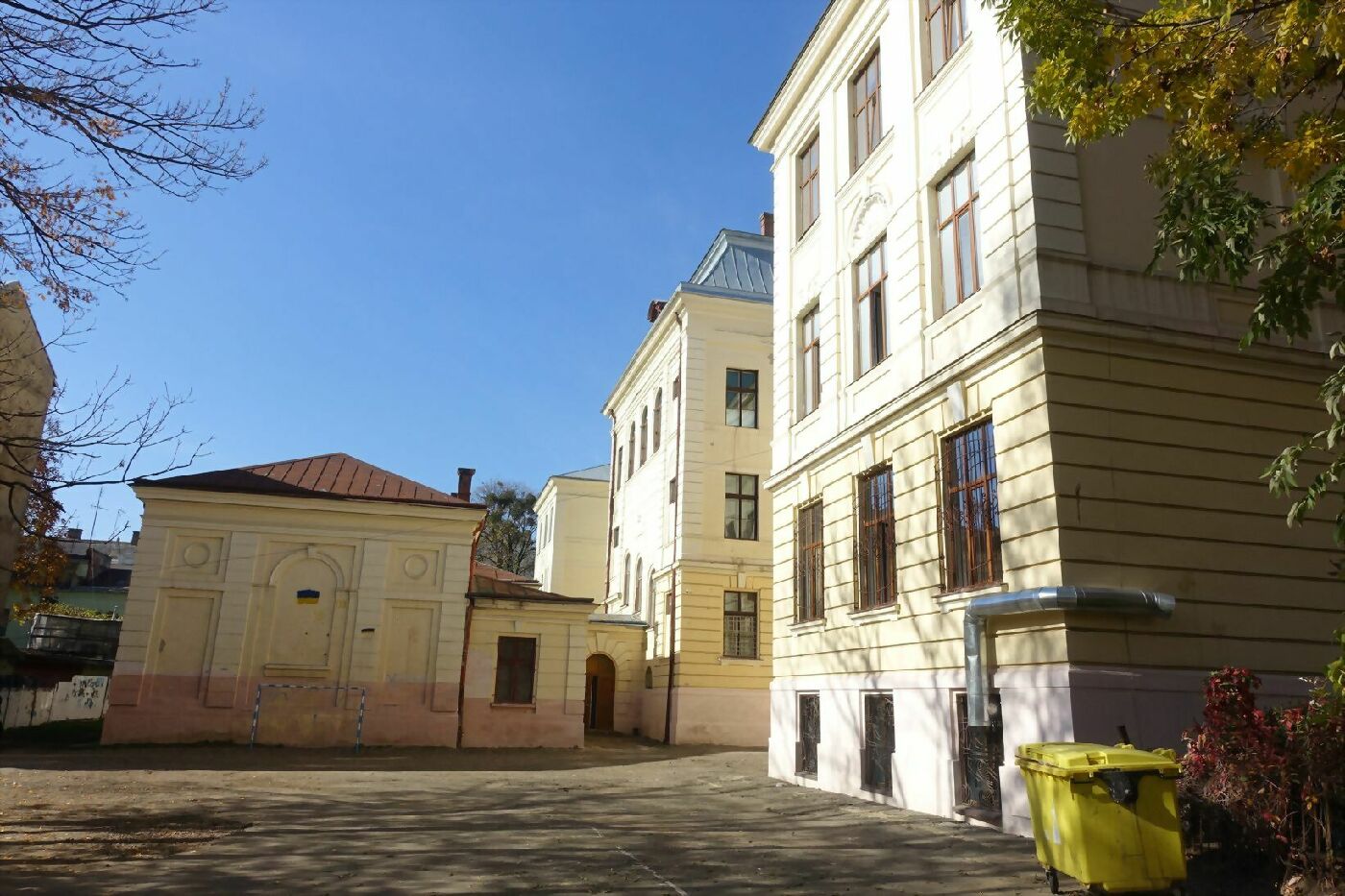
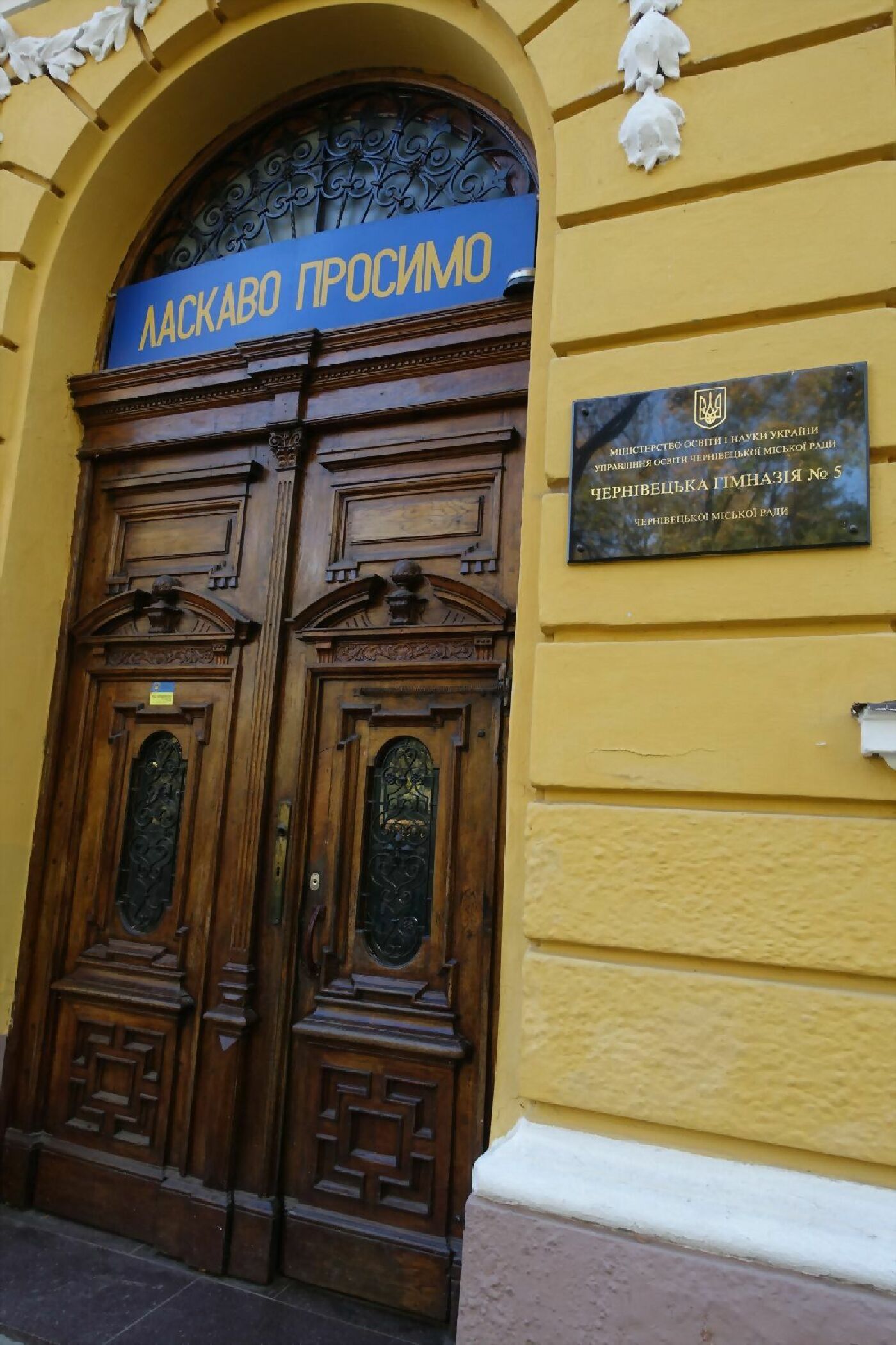
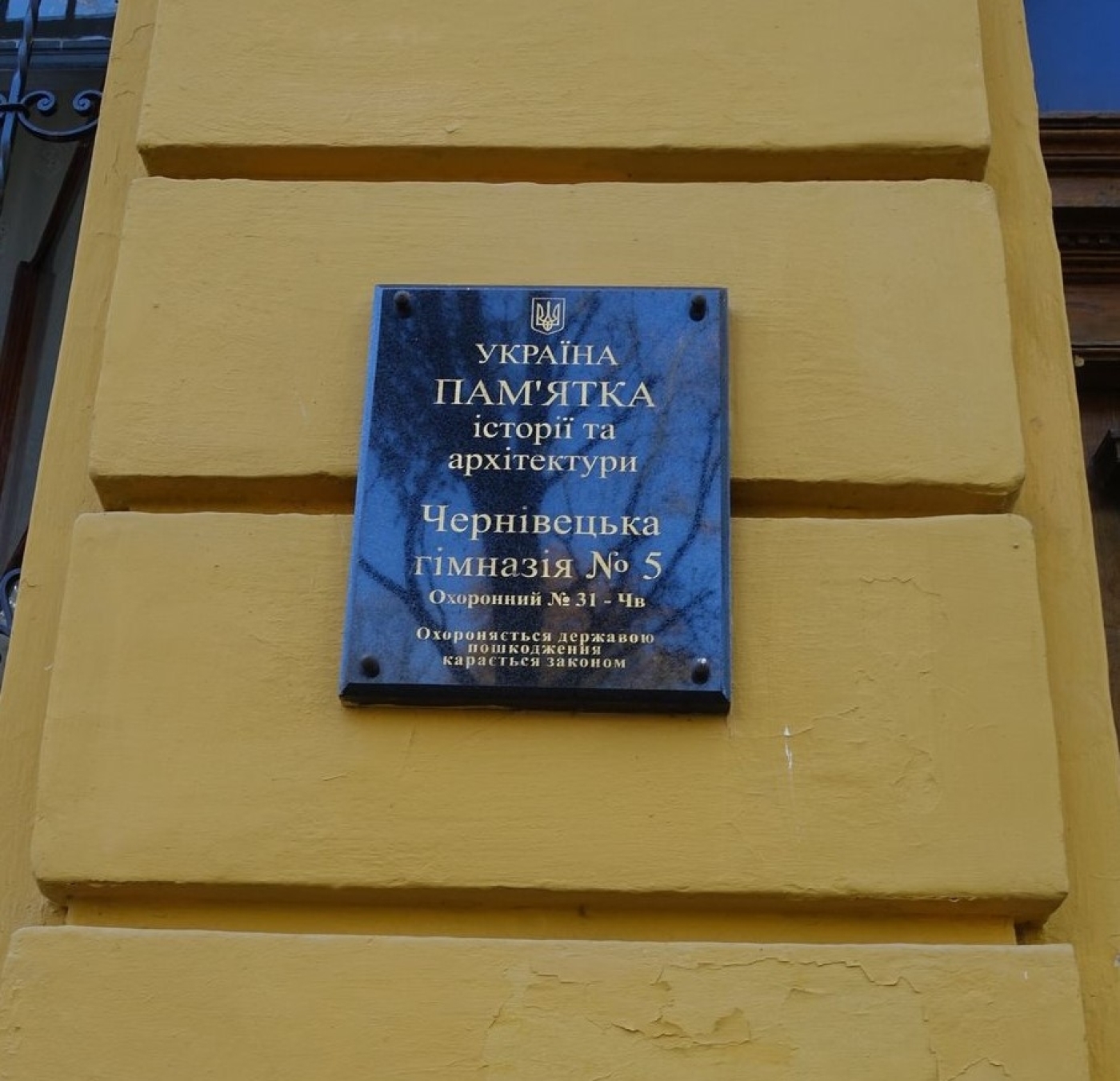
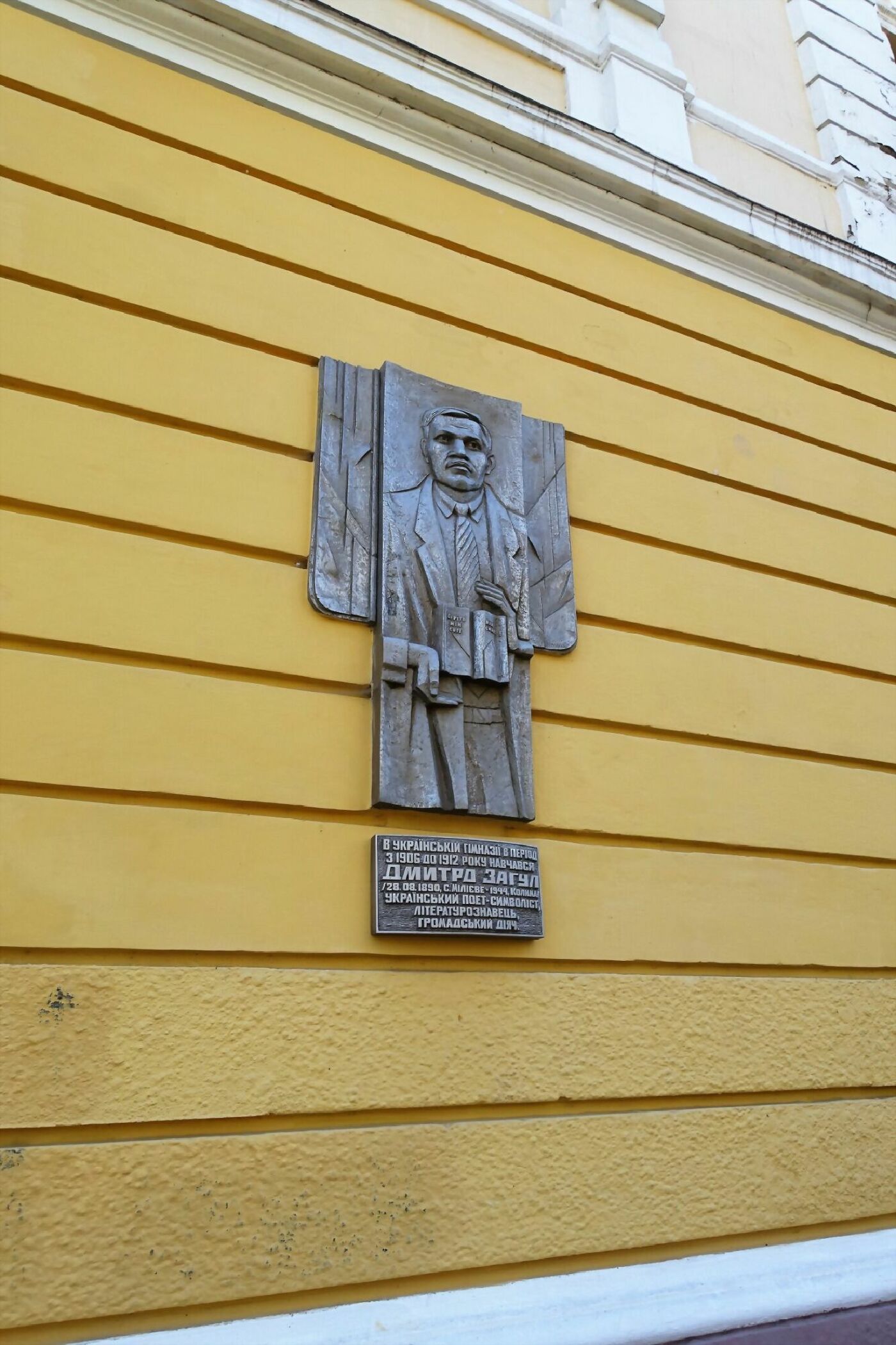
The gymnasium played an important role for the Ukrainians/Ruthenians of Bukovina. Dmytro Sahul, one of the most famous writers of Ukrainian modernism, attended this school. The school was renamed Liceul Marele Voievod Mihai in 1930. The German-speaking Jewish poet Paul Celan was a student here from 1935 to 1938 and graduated from the school. The poet Immanuel Weissglas also attended the school. After the occupation of Bukovina by the Soviet government in 1940, the lyceum was converted into a general secondary school. Today, the building of the former II. k.k. State Gymnasium is Gymnasium No. 5.
Text: Kateryna Stetsevych