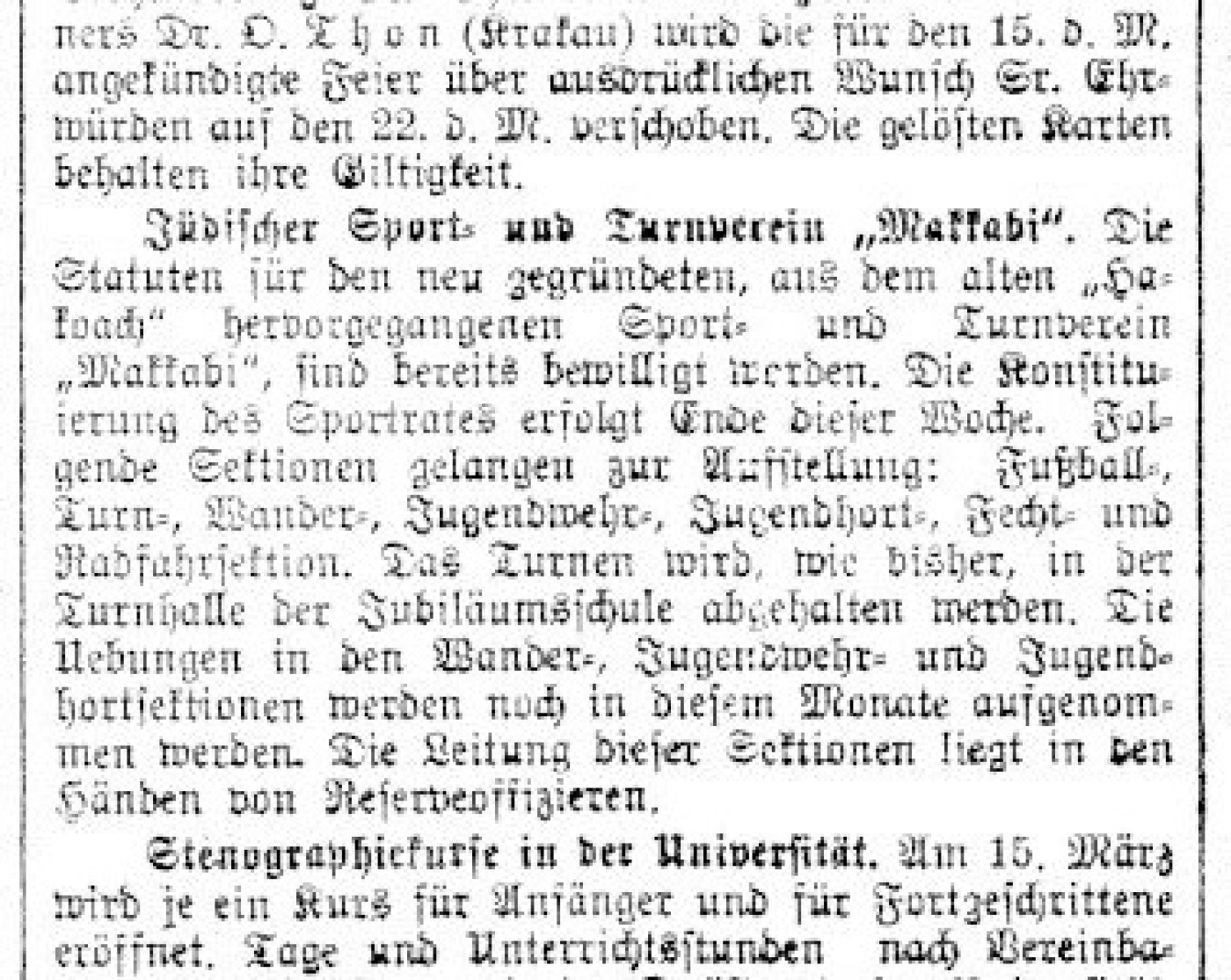
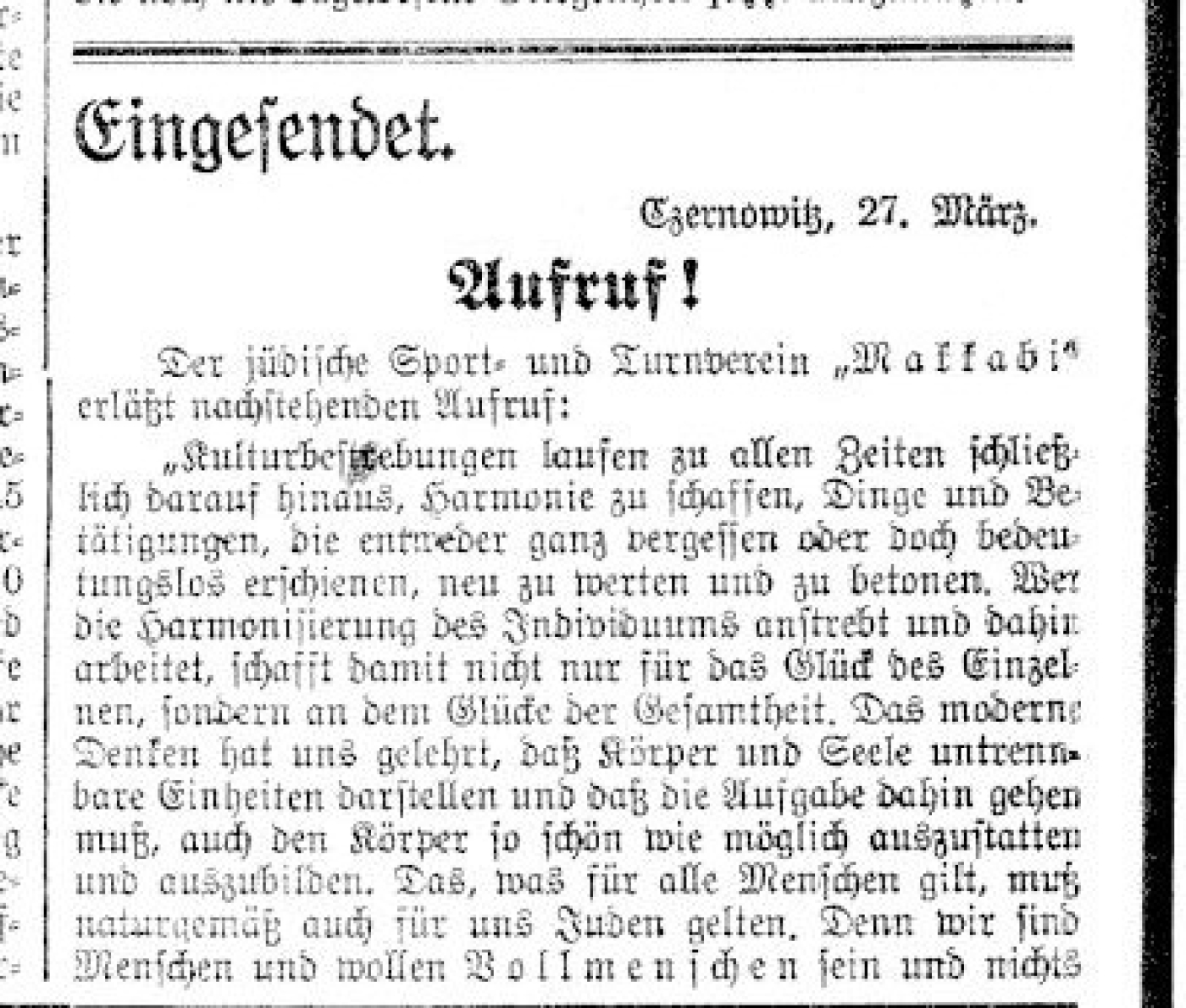
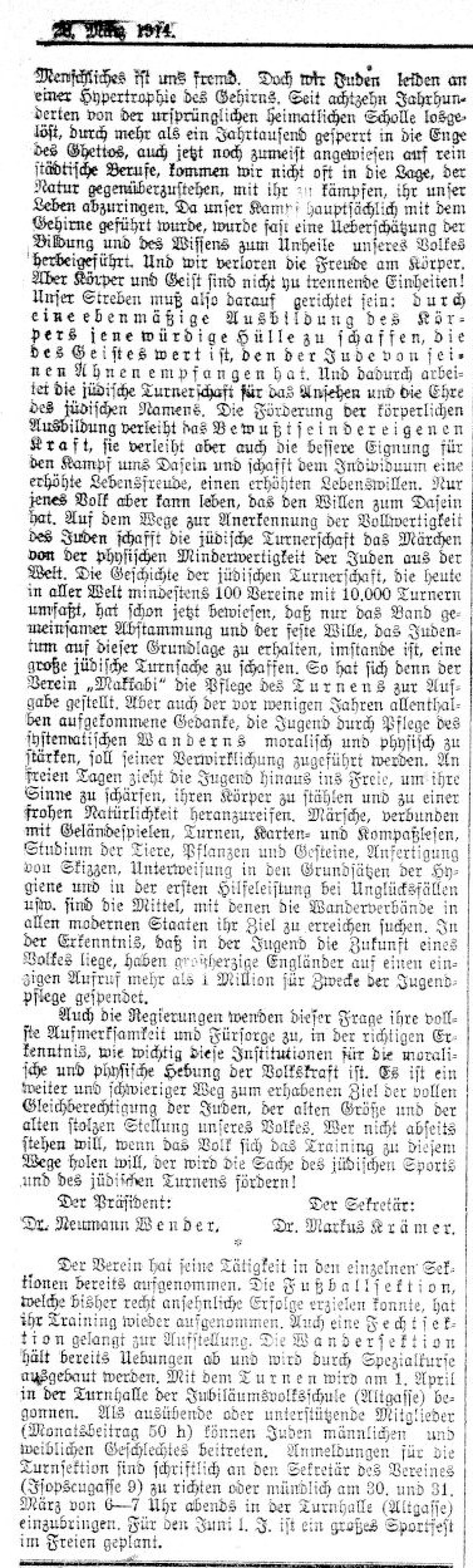
The first president of Makkabi, Neumann Wender, and the club's secretary, Markus Krämer, who was a member of the Jewish National Council in Bukovina in 1918/19, emphasised the high, also political, significance of Jewish sports clubs in the daily press after the club's foundation: “[....] On the way to recognising the full value of the Jew, the Jewish gymnastics club dispels the myth of the physical inferiority of Jews. [...] Governments, too, are devoting their full attention and care to this question, correctly realising how important these institutions are for the moral and physical upbuilding of the people's strength. It is a long and difficult road to the lofty goal of full equality for the Jews, the old greatness and the old proud position of our people. Those who do not want to stand on the sidelines when the people want to train for this path will promote the cause of Jewish sport and Jewish gymnastics” (Czernowitzer Allgemeine Zeitung, 28 March 1914, p. 4f., here: p. 5).
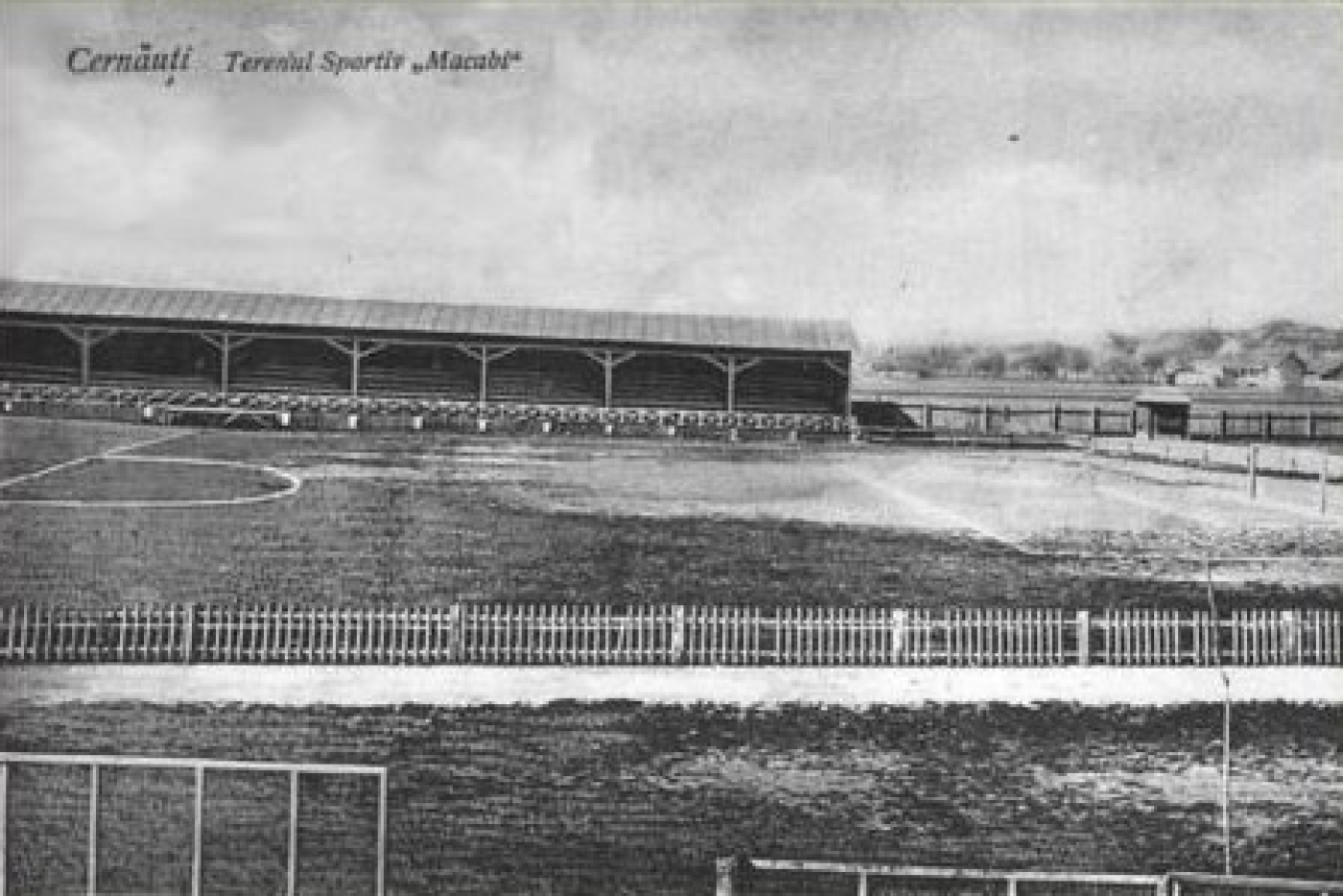
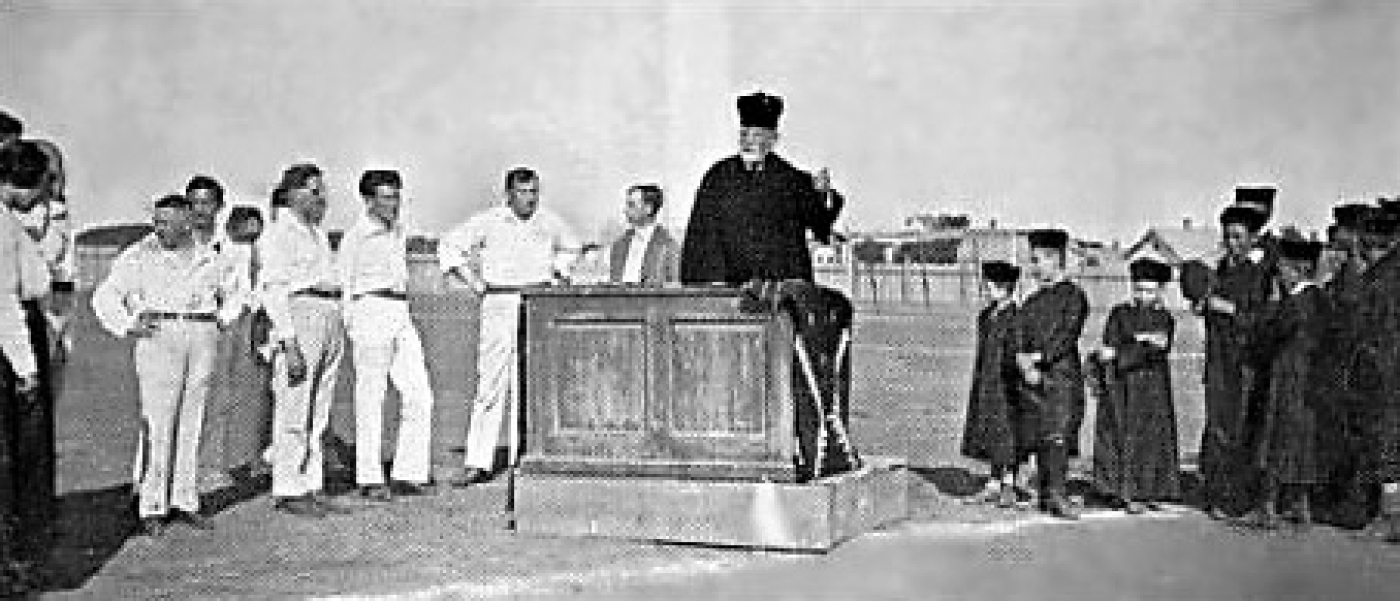
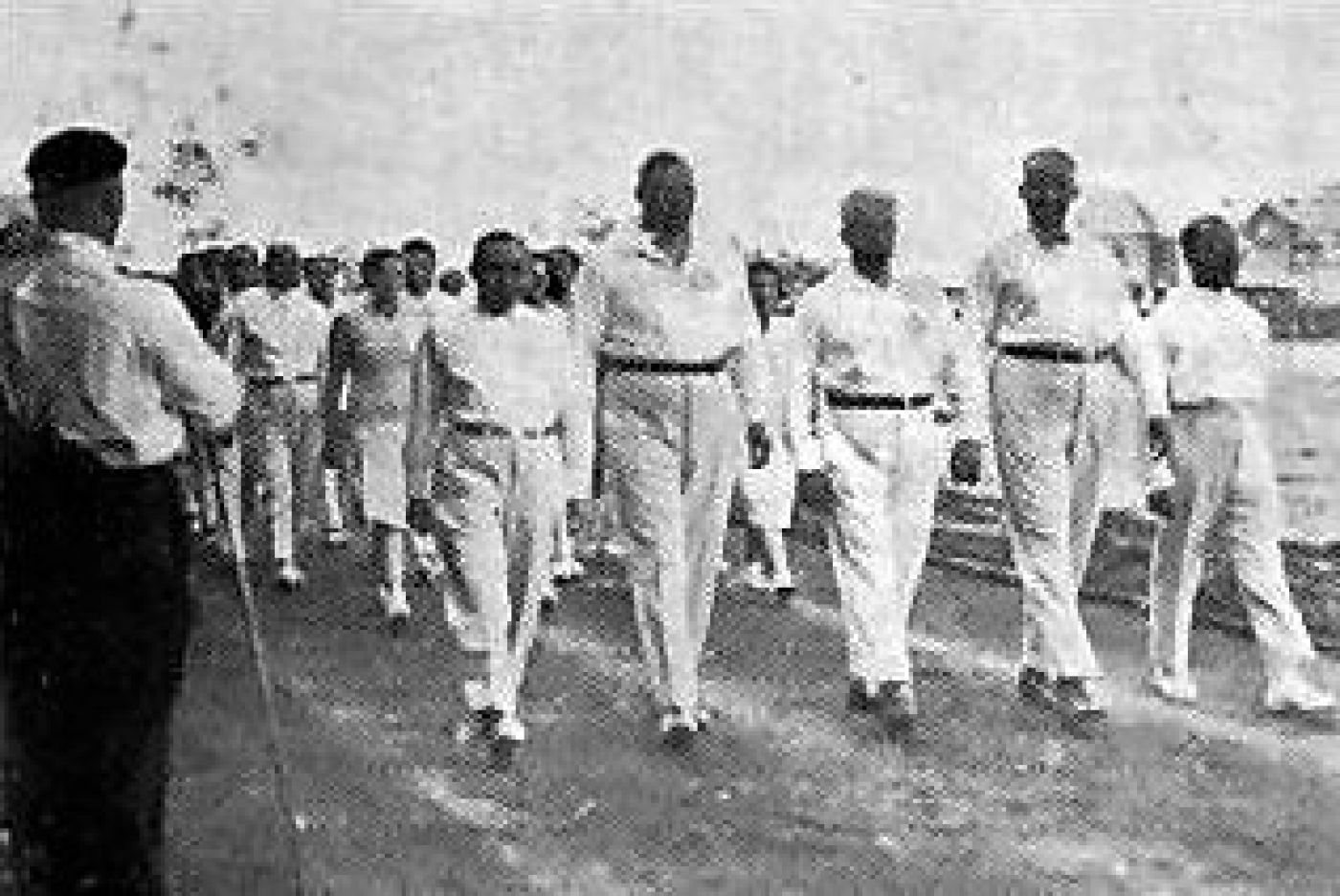
In 1922, the club was given a site on the outskirts of the city. The stadium built there had a capacity of 12,000. In June 1942, the stadium became a collection point for Jews to be deported to the camps in Transnistria by the Romanian military administration. The square was located not far from the Grădina Publică railway station (formerly Volksgarten station, now Chernivtsi Piwdenna). A stumbling block, laid in July 2017, commemorates the dark chapter of this place. Today there are residential buildings on the site of the former stadium.
Text: Markus Winkler
Materials:
- Heinrich Rubel: Jüdischer Sport in der Bukowina. In: Hugo Gold (Hg.): Geschichte der Juden in der Bukowina. Bd. 1, Tel Aviv 1958, S. 167ff.