After the annexation of Bukovina to Austria-Hungary in 1775, Chernivtsi was still a small settlement with about 300 wooden houses. In 1786 Chernivtsi was granted the status of a town and the first magistrates were elected. According to the so-called Pitzellian plan of Chernivtsi from 1787, the centre of the town was located around the Fountain Square. The topography of the city changed in 1788 when stone buildings were exempted from taxes.
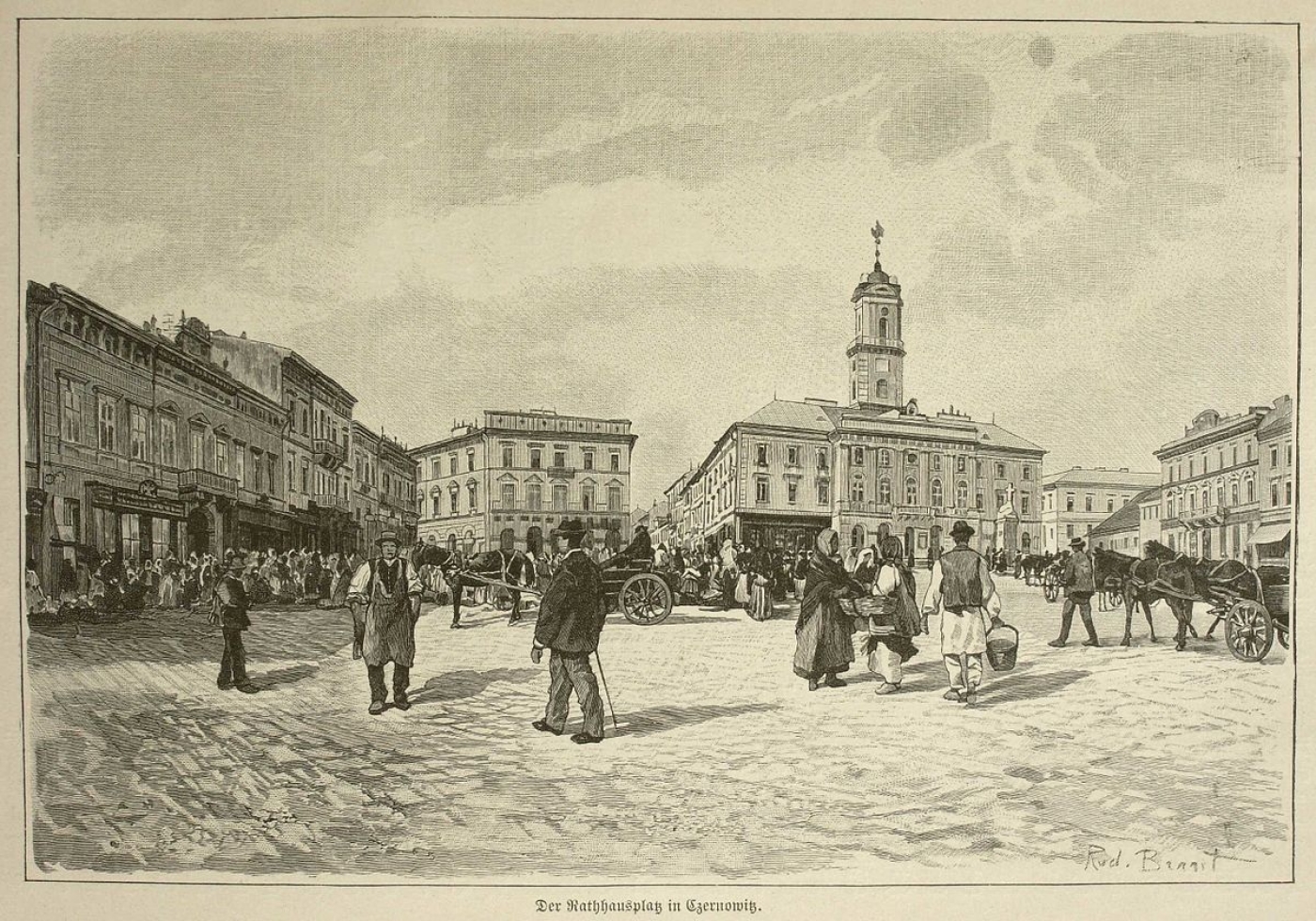
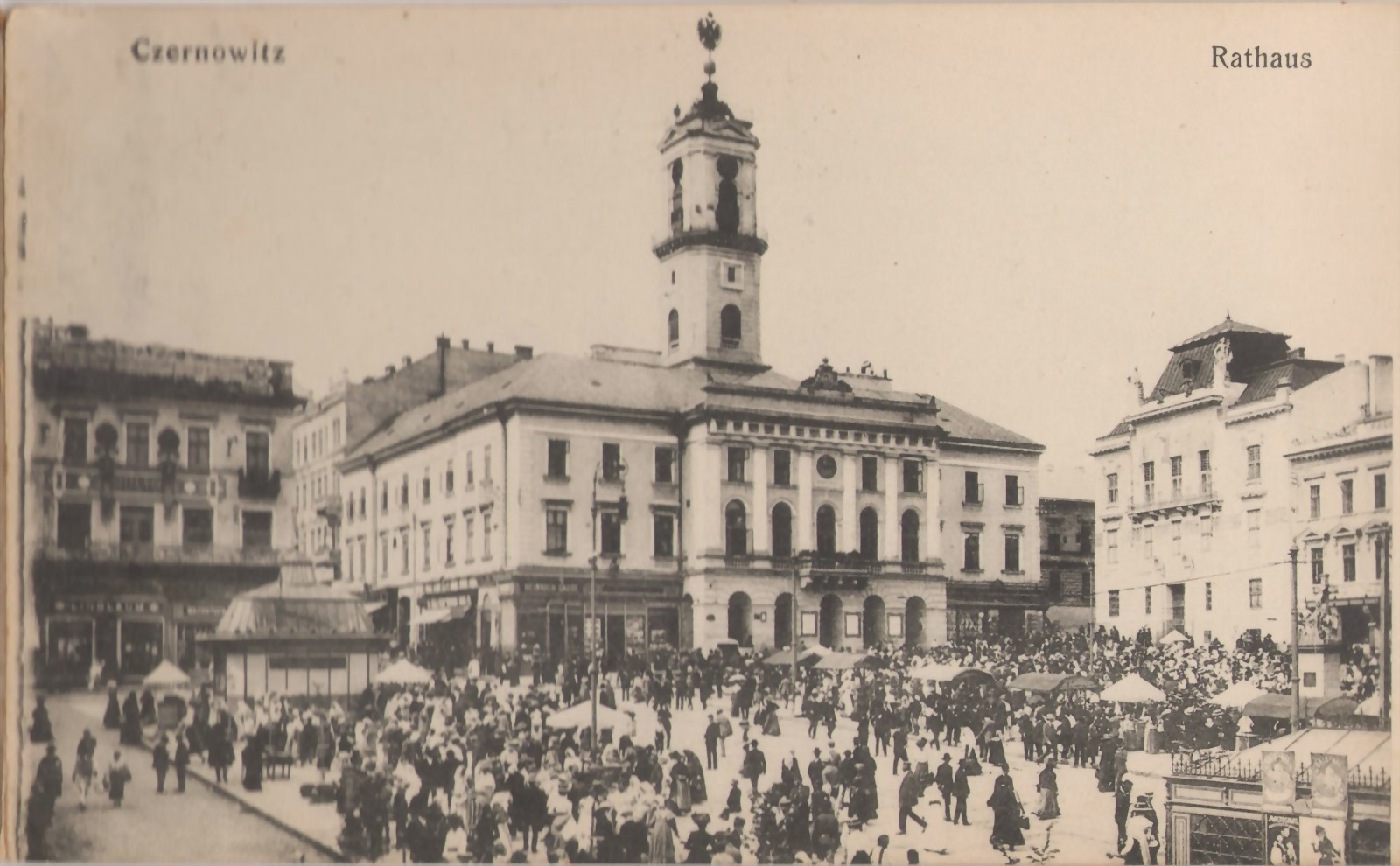
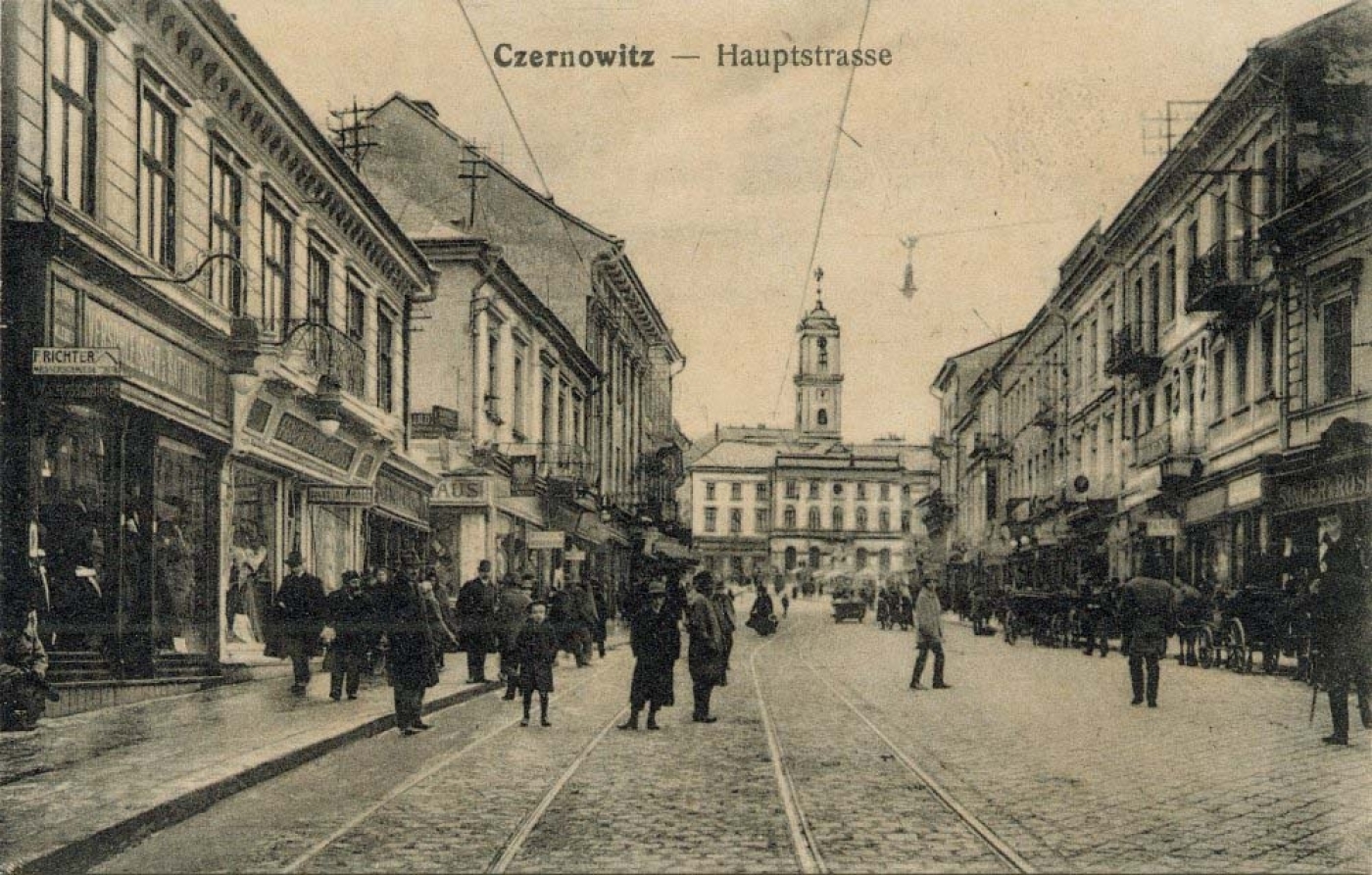
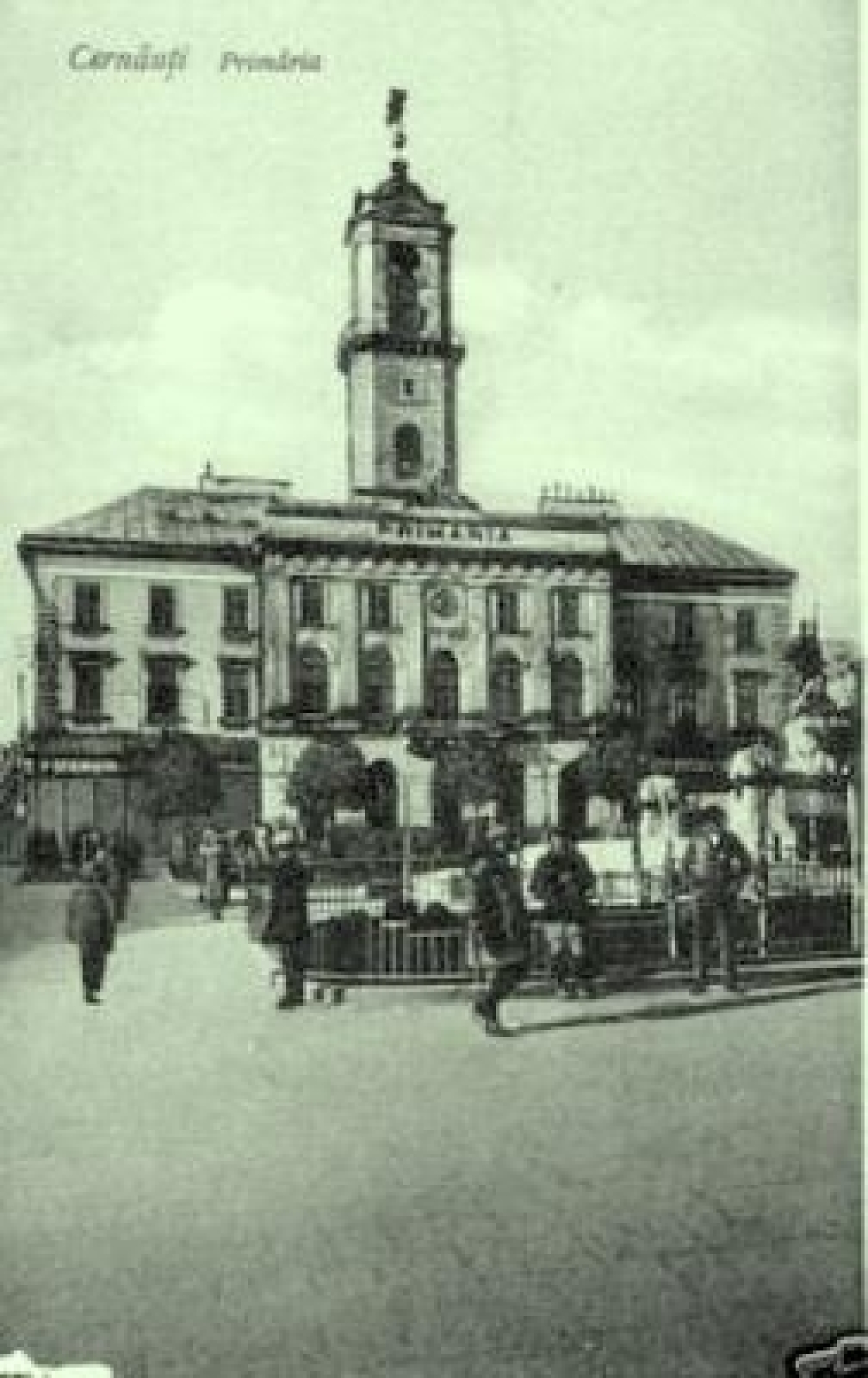
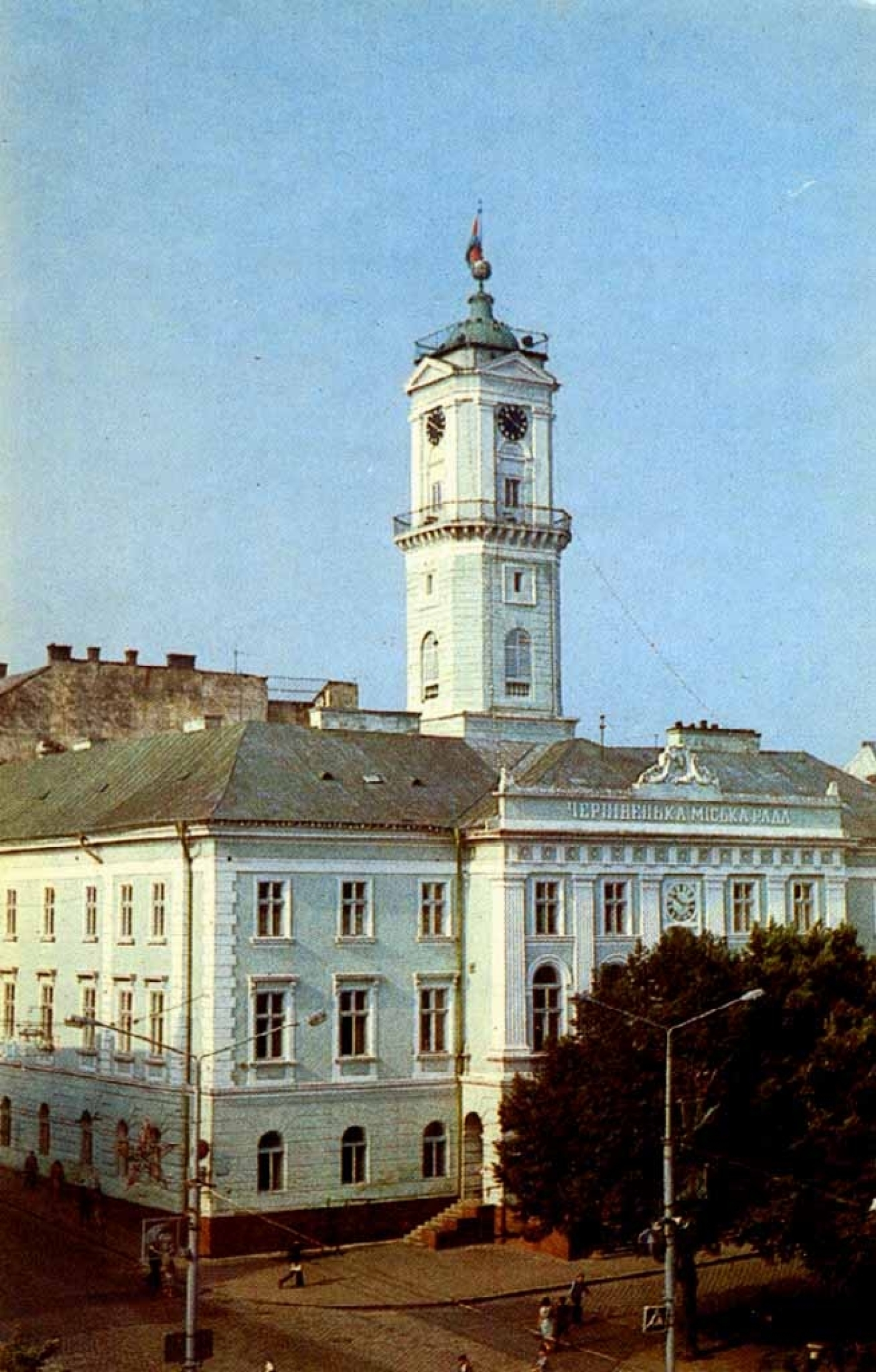
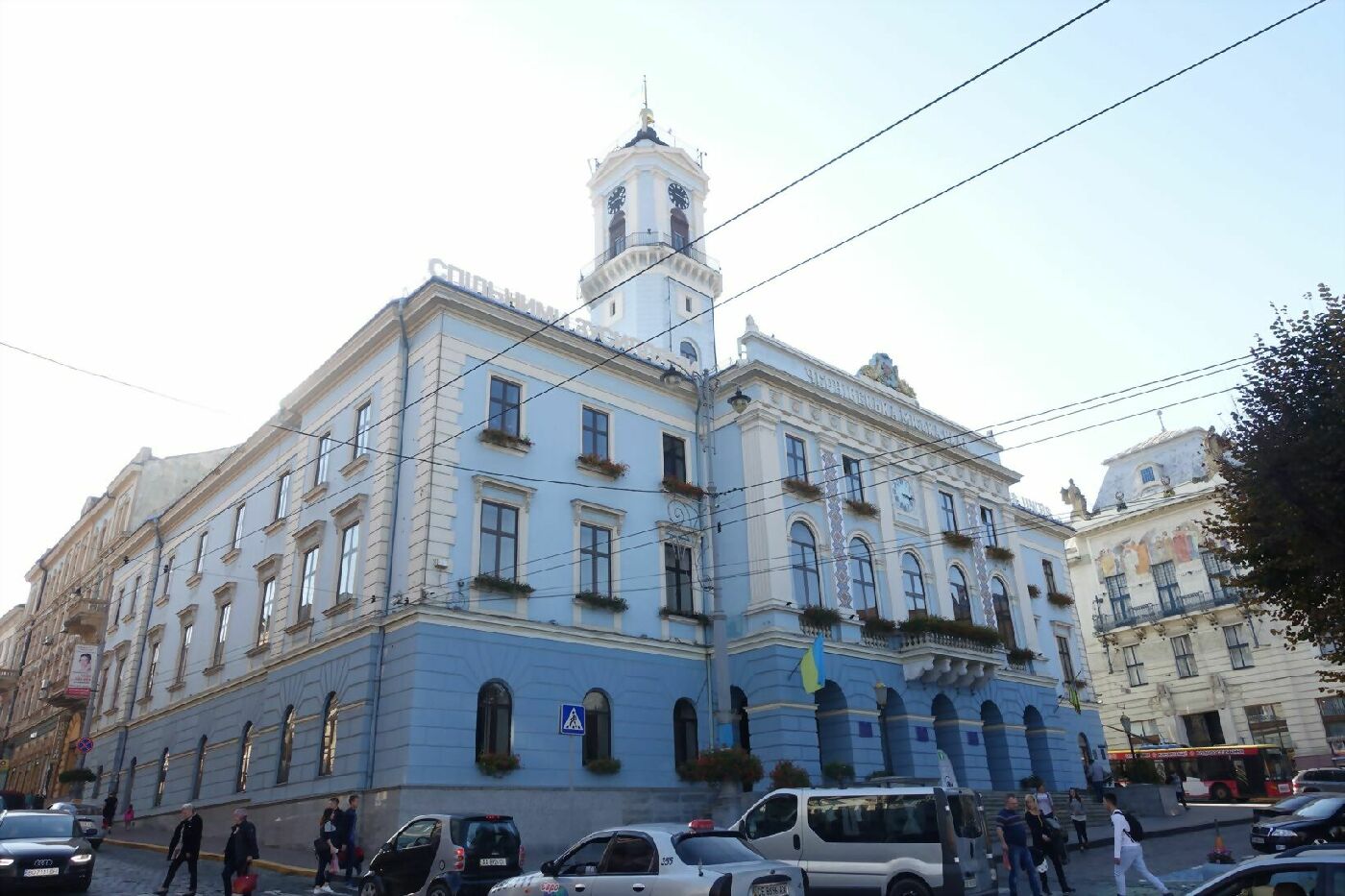
In 1841, a plot of land on the Ring Square belonging to the Petrowicz family was purchased for the construction of the Town Hall. On 12 March 1842 the imperial decree for the construction of the Town Hall on the Ring Square was published. The town hall was designed by the architect Andreas Mikulicz and the district engineer Adolf Marin. The three-storey brick building was built on a stone foundation and formed a trapezium with a square courtyard. The 50-metre-high, two-storey town hall tower, with 126 steps and two clocks, became a prominent landmark of the town. At the top of the tower was a two-metre Austrian eagle. The construction was completed in 1848, and the magistrate moved into the new building, although it was not inaugurated due to the violent demonstrations of the Vienna March Revolution. In 1864, Bukovina became an independent crown land, having previously been part of Galicia and Lodomeria. From then on, Chernivtsi was the provincial capital. Jacob von Petrowicz was appointed the first mayor.
Text: Kateryna Stetsevych