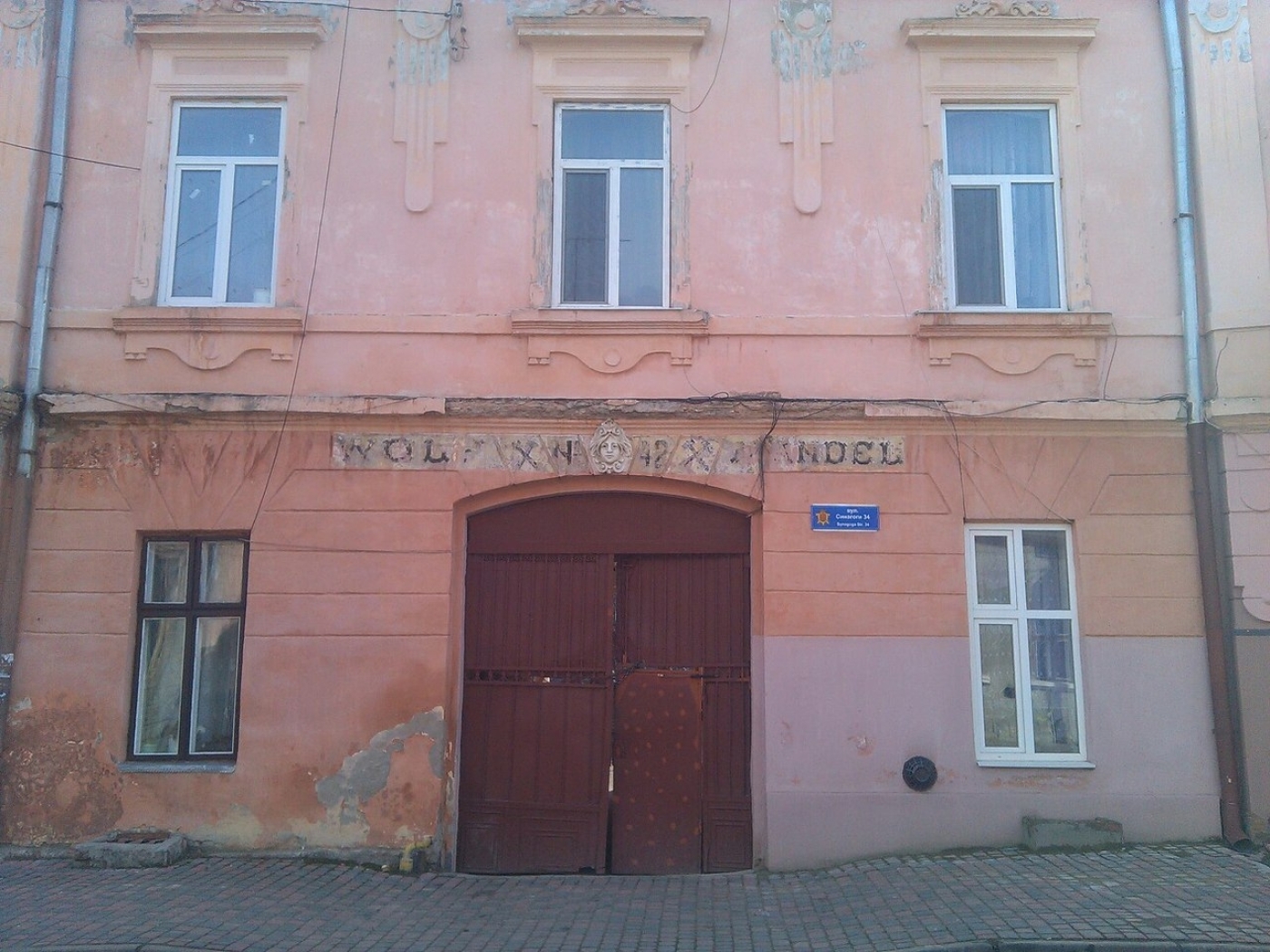
Jewish Ghetto

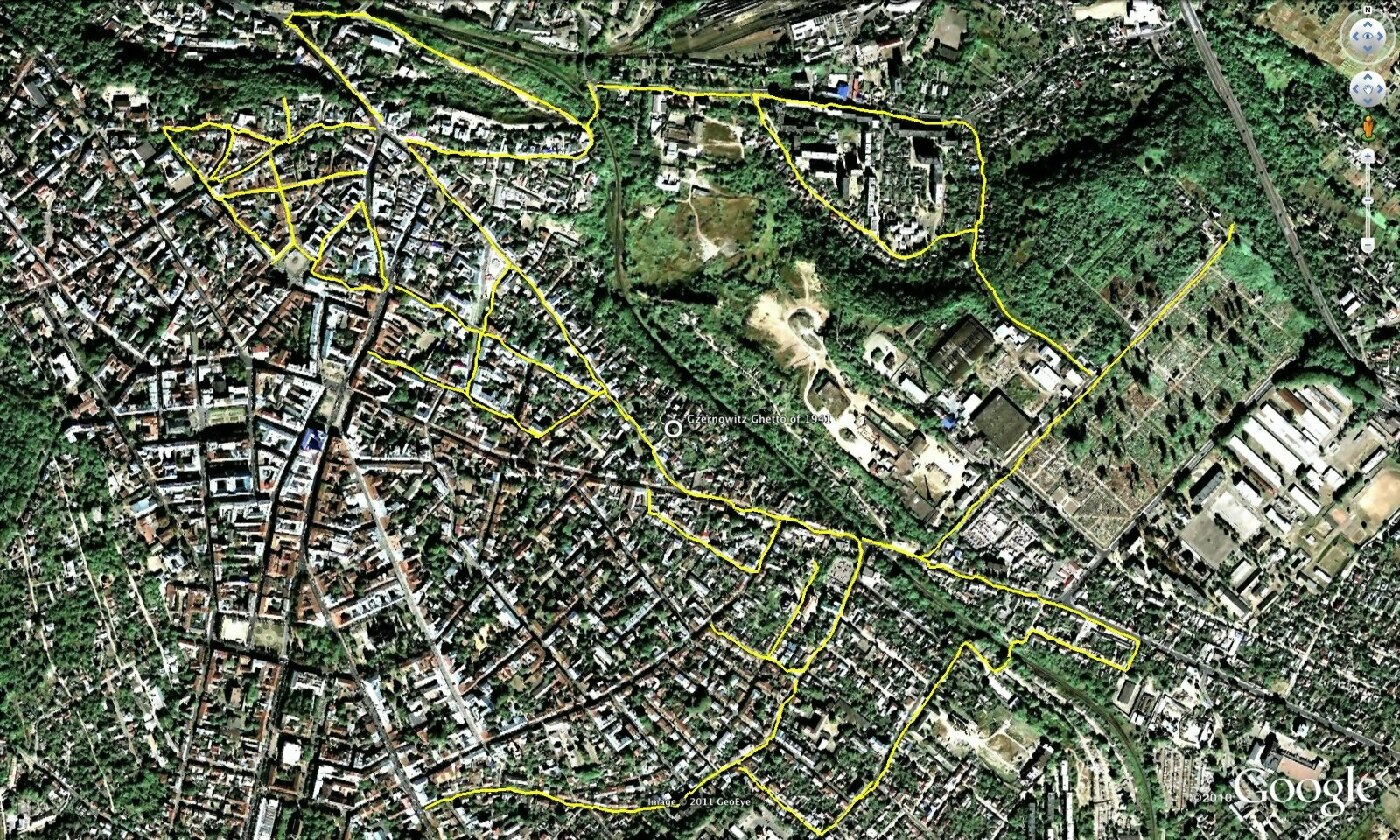
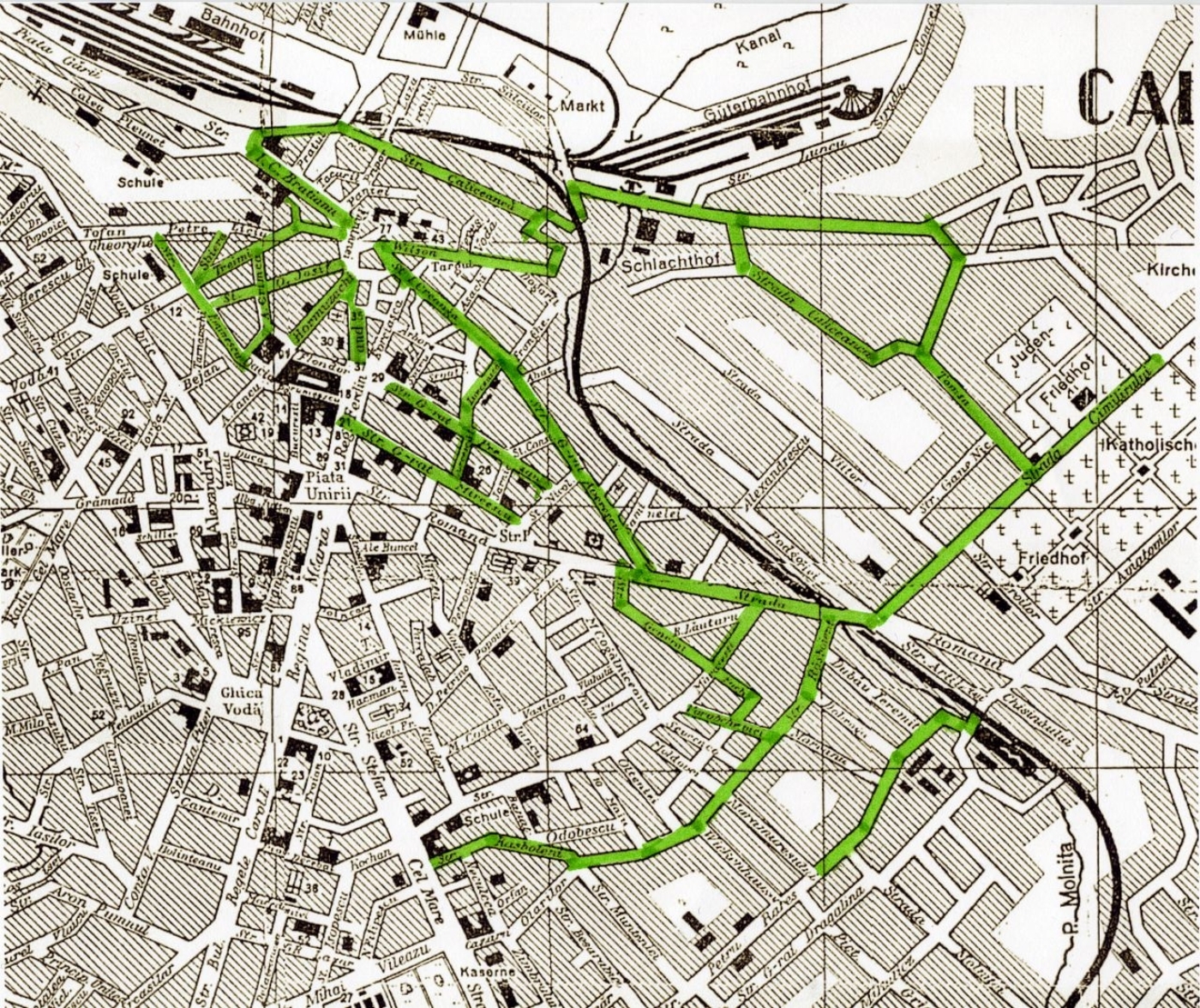
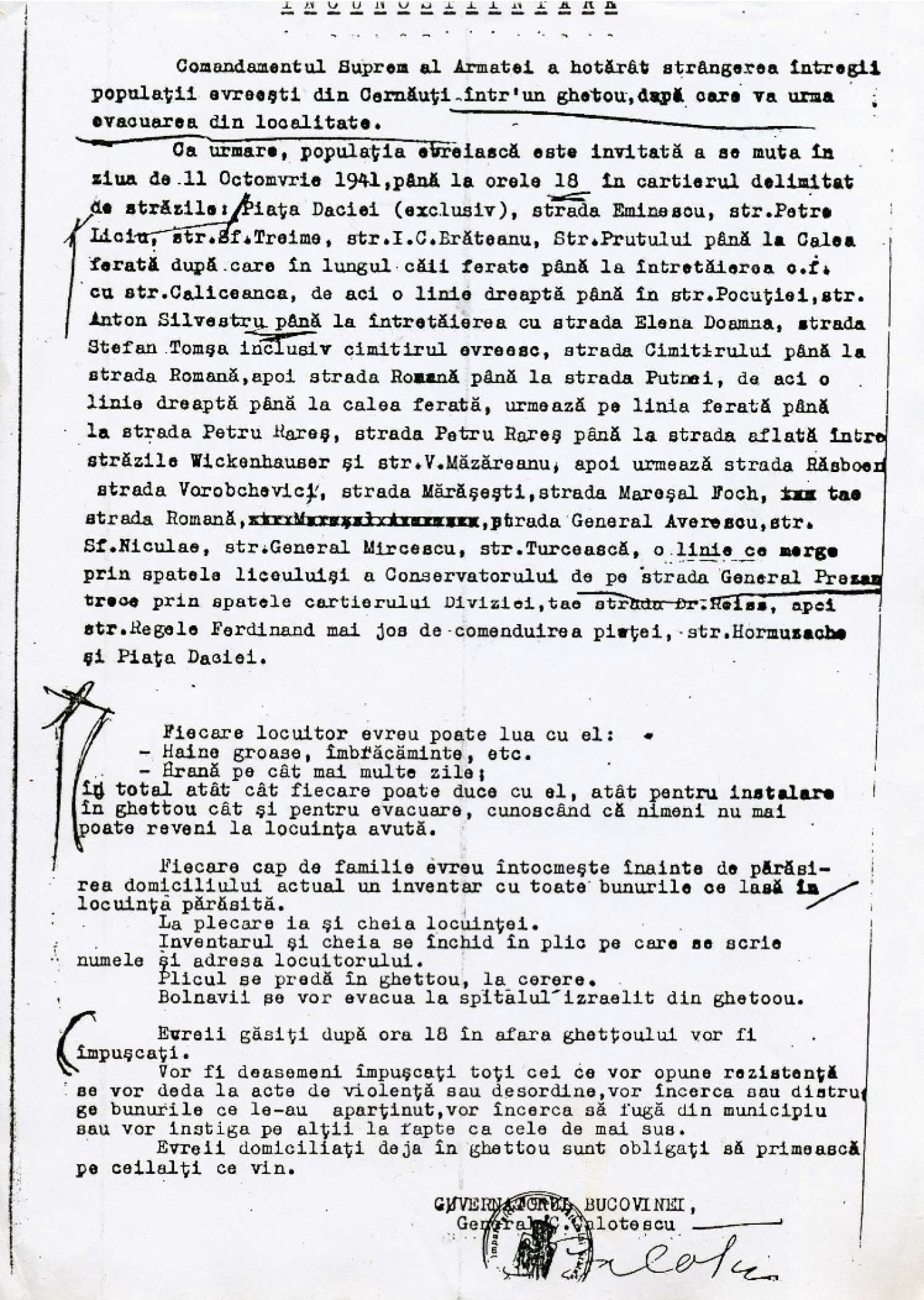
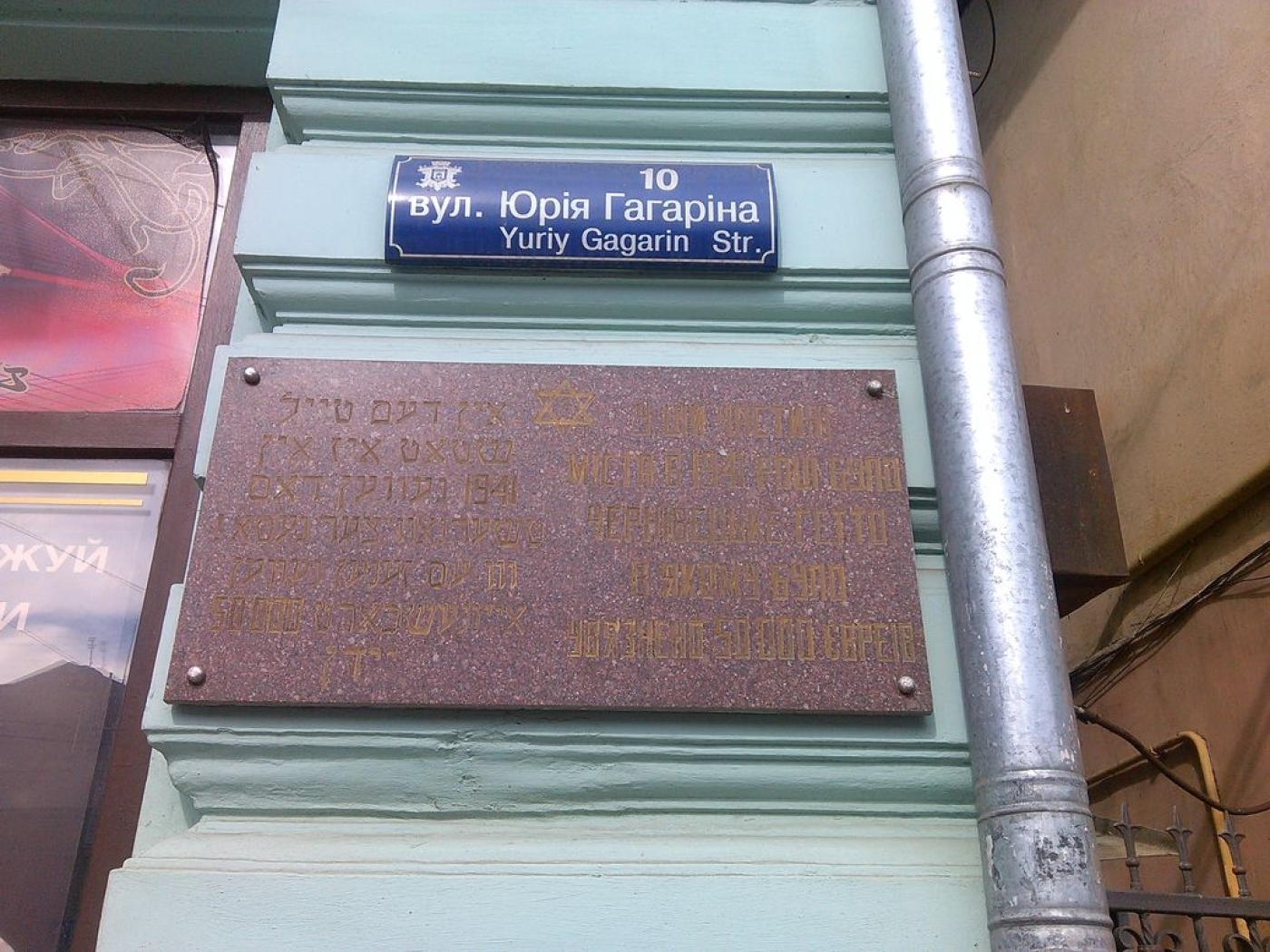
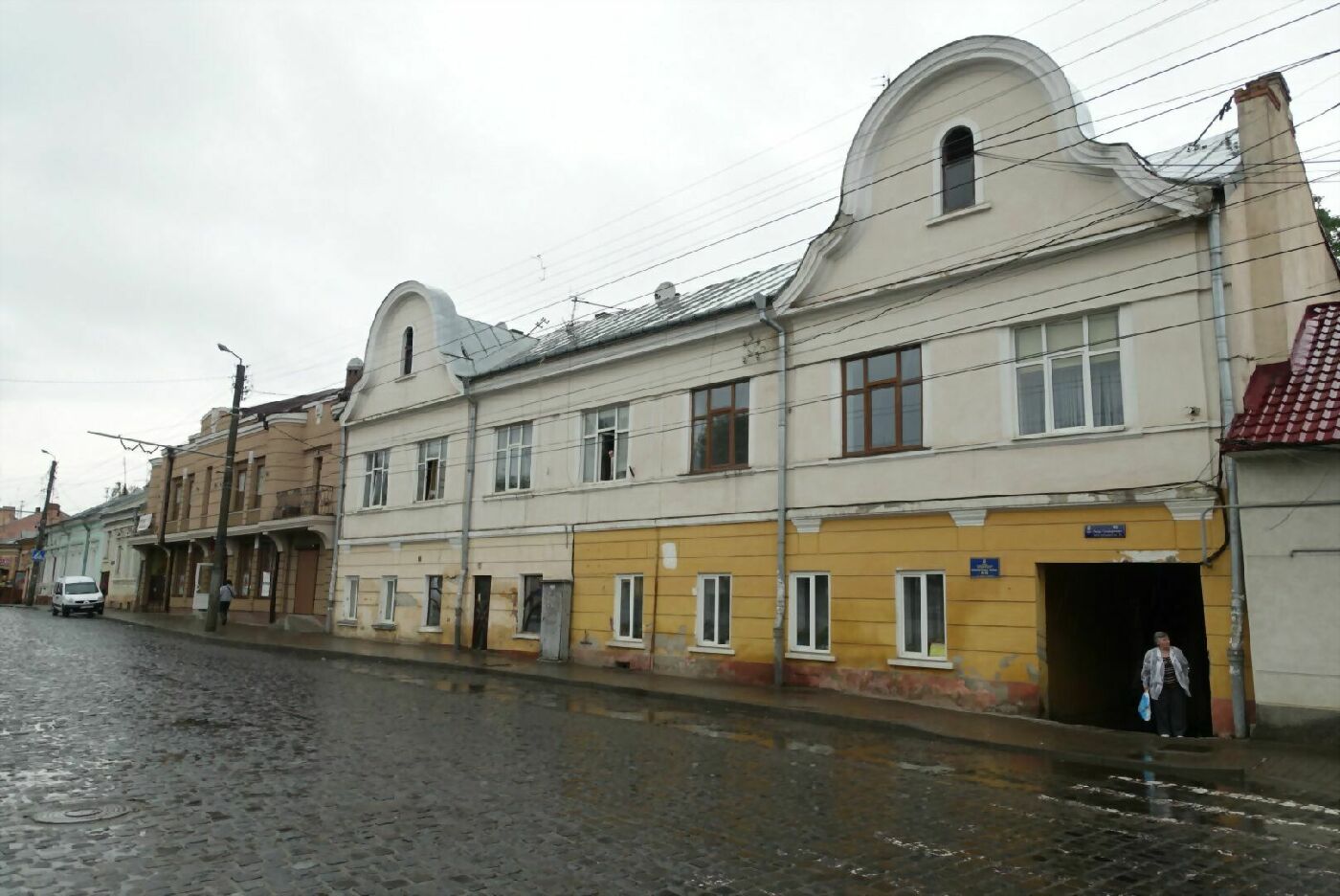
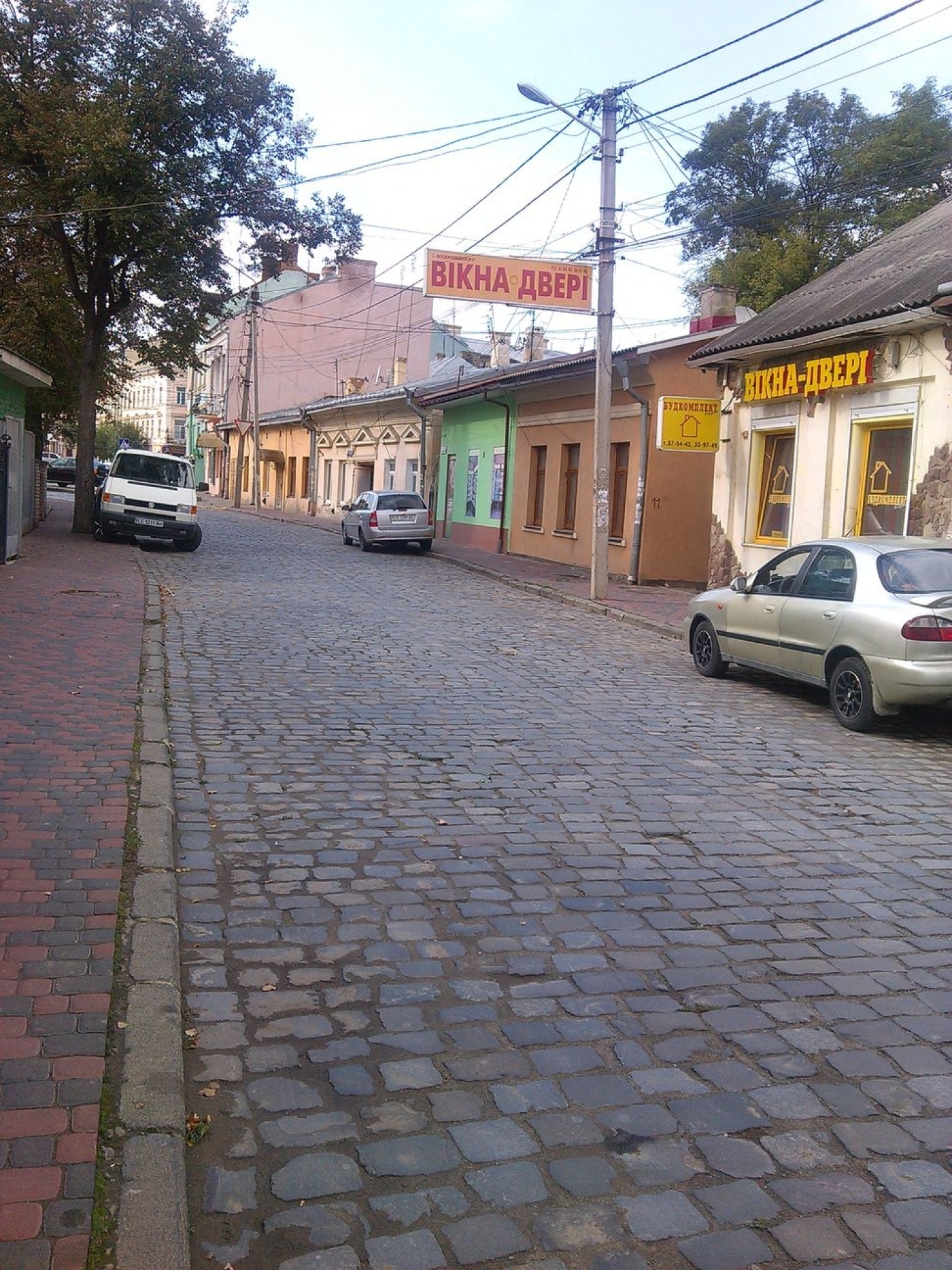
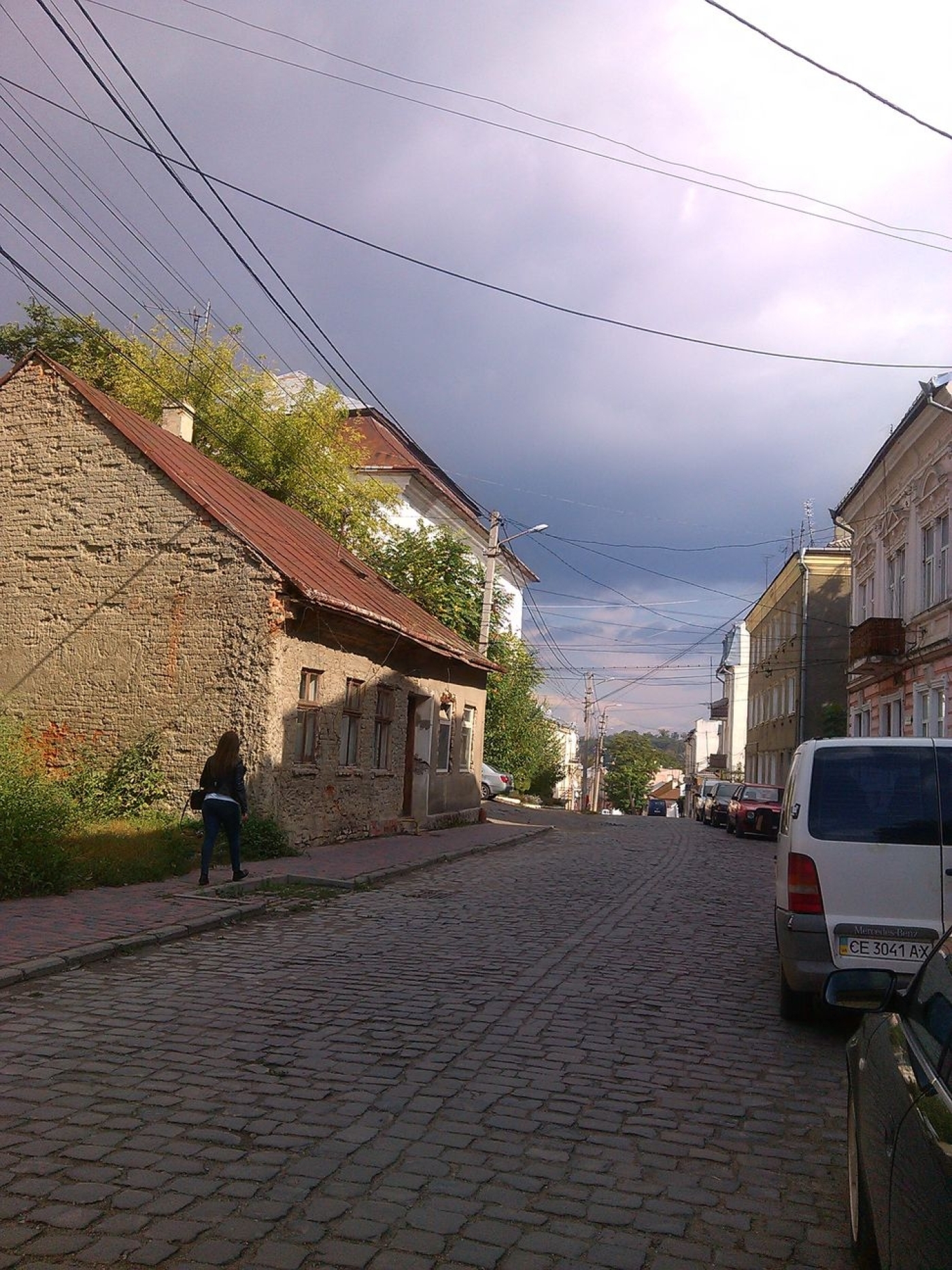
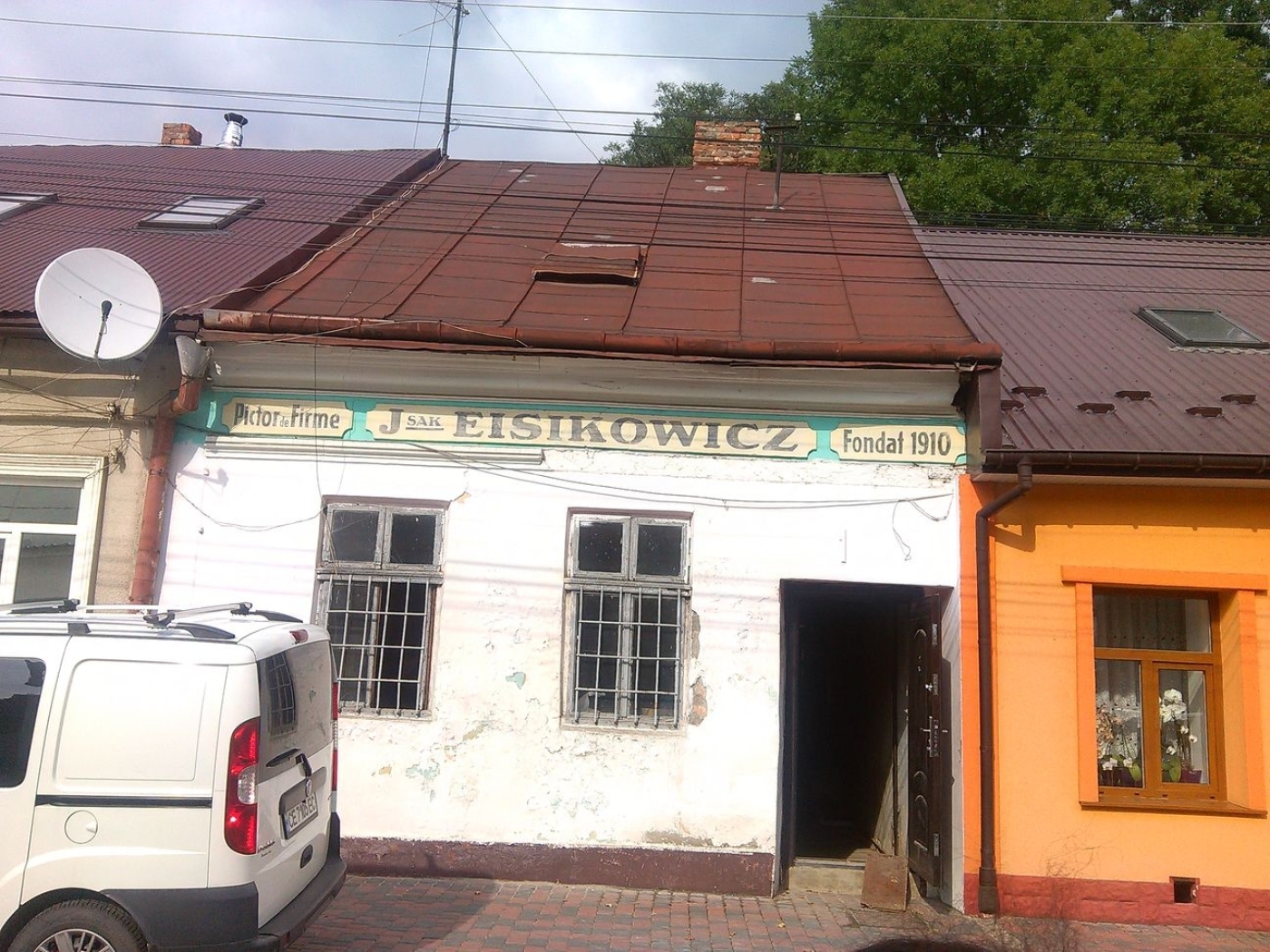
On 10 October 1941, the Romanian Governor General of Bukovina, Calotecu, ordered the establishment of a ghetto in Chernivtsi and the deportation of the Jewish population to Transnistria, which began on 11 October. Within the boundaries of the ghetto were Springbrunnengasse (lon Creangă, today Sahajdatschnohostr.), the Jewish market and all the alleys and streets from the beginning of today's Holownastr. to Ruskastr.
Jewish Ghetto
Monuments
erbaut
1941

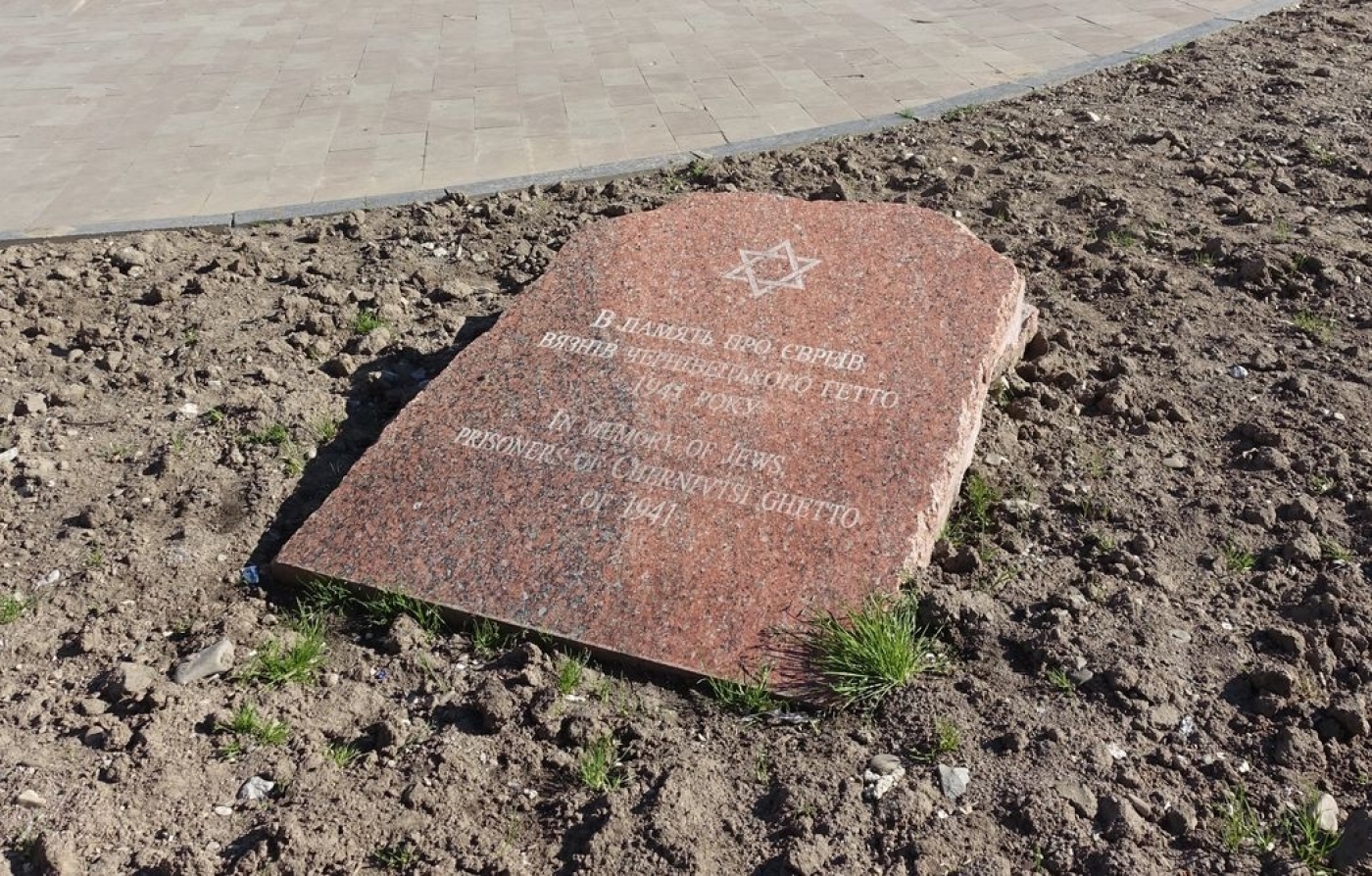
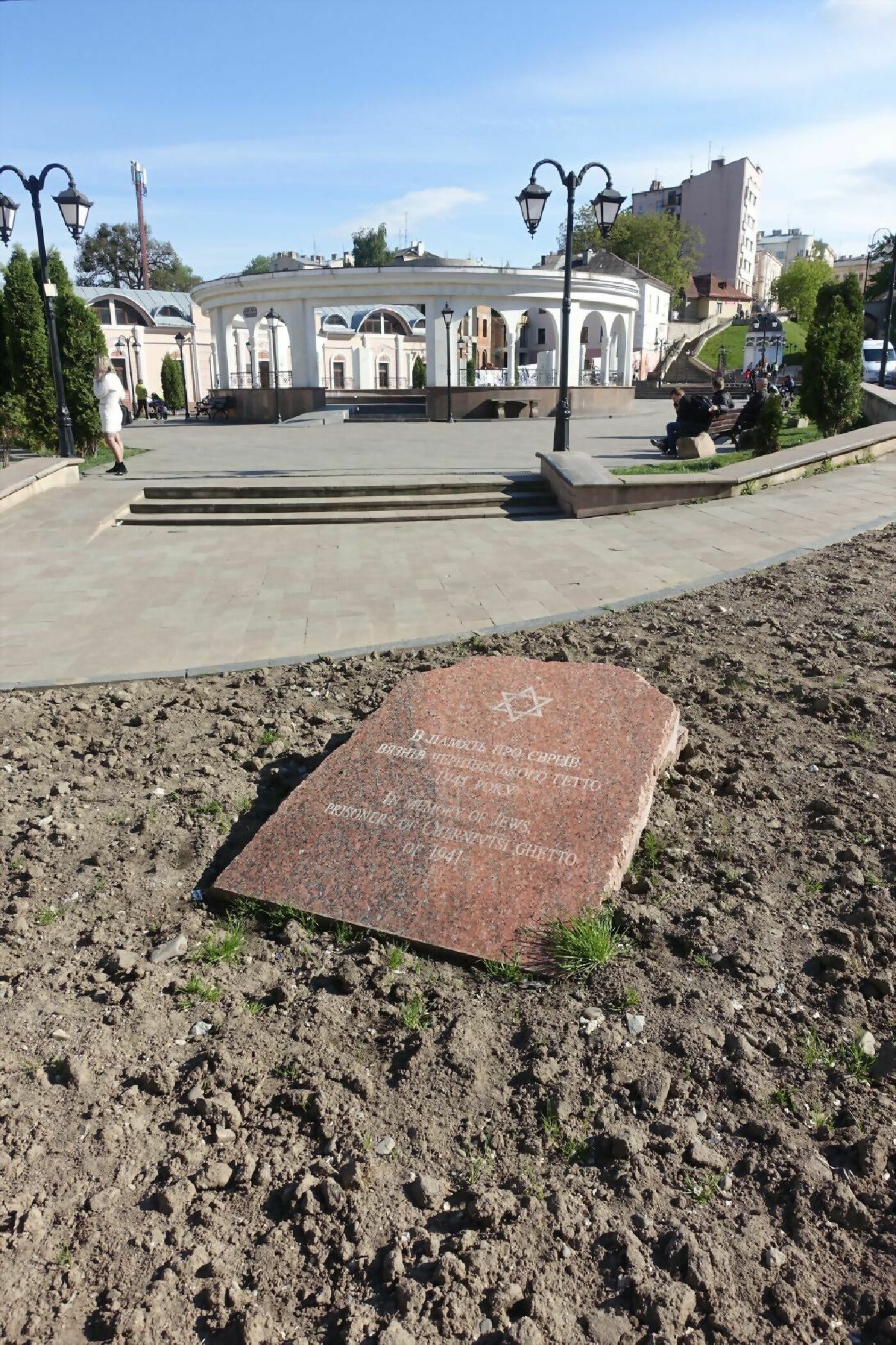
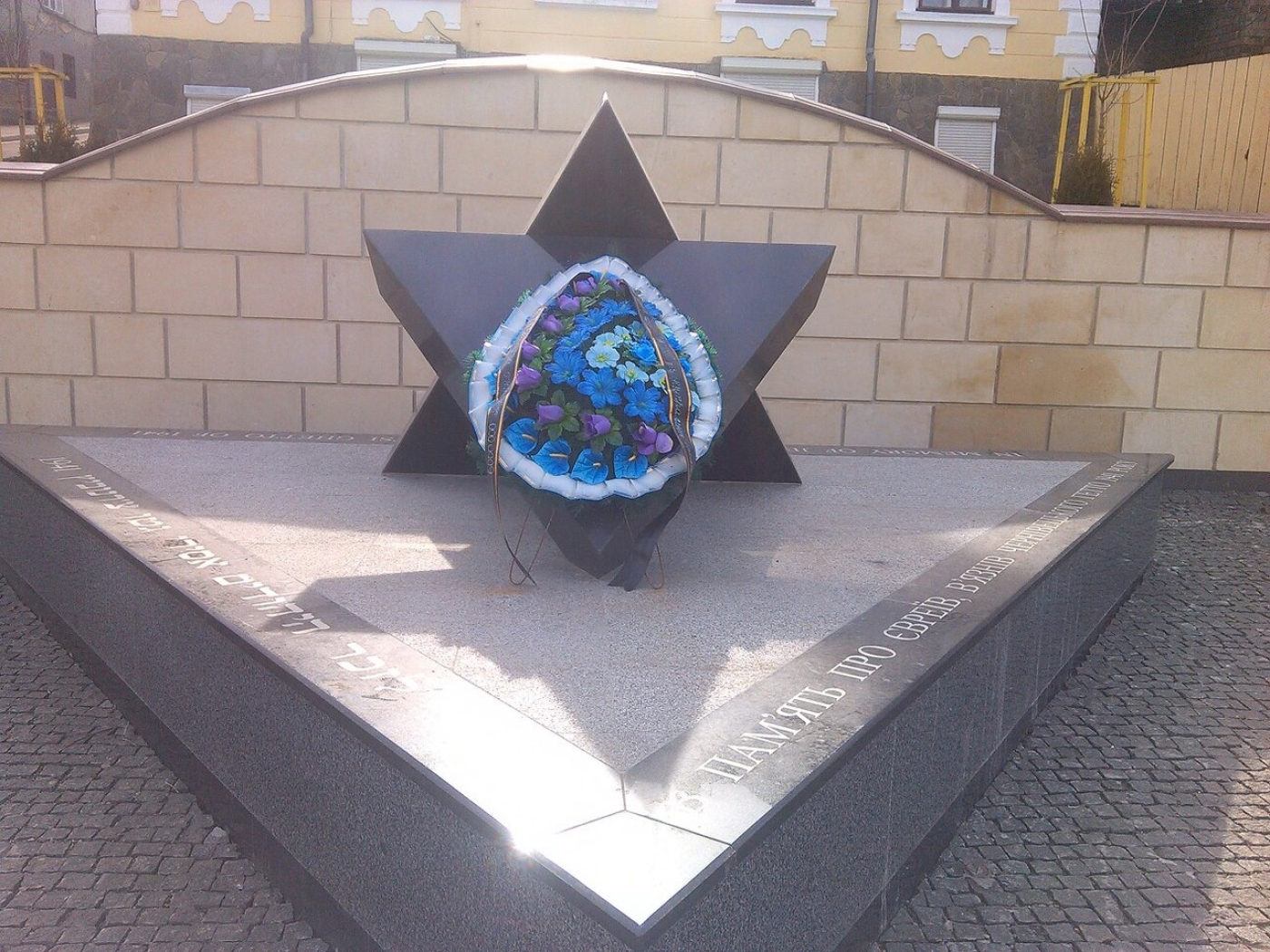
Five to eight Jewish families had to share one apartment in the ghetto. About 55,000 people now lived in an area that had previously been inhabited by 5,000 people. Memoirs describe people lying on the floor and in the corridors, deprived of food and water.  The ghetto was surrounded by a wooden fence and the entrances were guarded by the police and the military. After the deportations in October and November 1941, the ghetto was liquidated. On 7 October 2016 a memorial to the Chernivtsi Ghetto was erected at 22a Sahajdatschnoho Street.

Text: Iryna Virstiuk

Materials:

  1. Der fast vergessene Holocaust (Deutsche Welle, 2014)
  2. Jewgenija Finkel und Markus Winkler: Juden aus Czernowitz. Ghetto, Deportation, Vernichtung 1941-1944. Überlebende berichten. Konstanz 2004