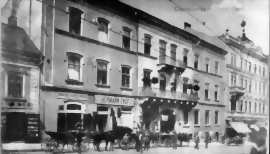
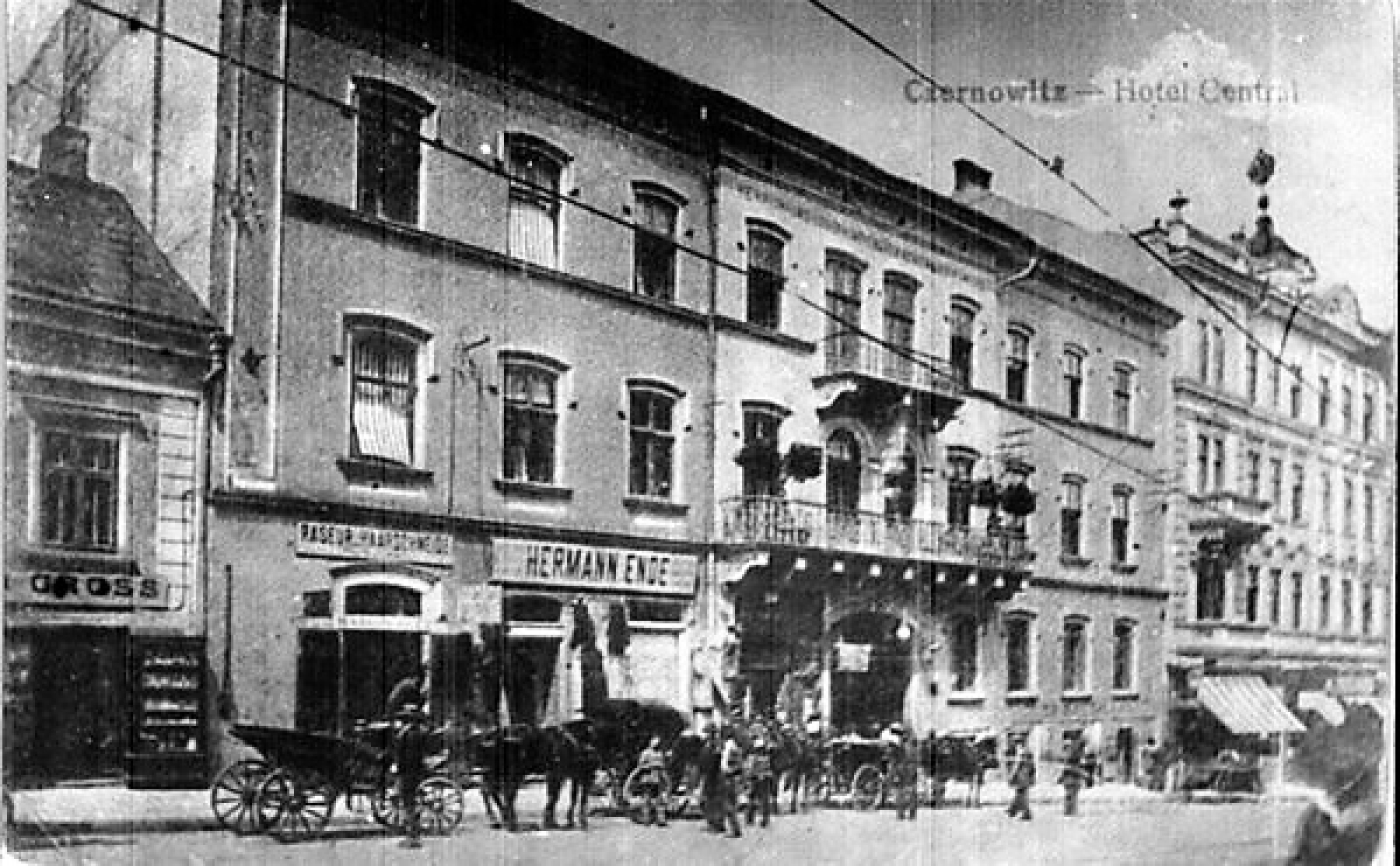
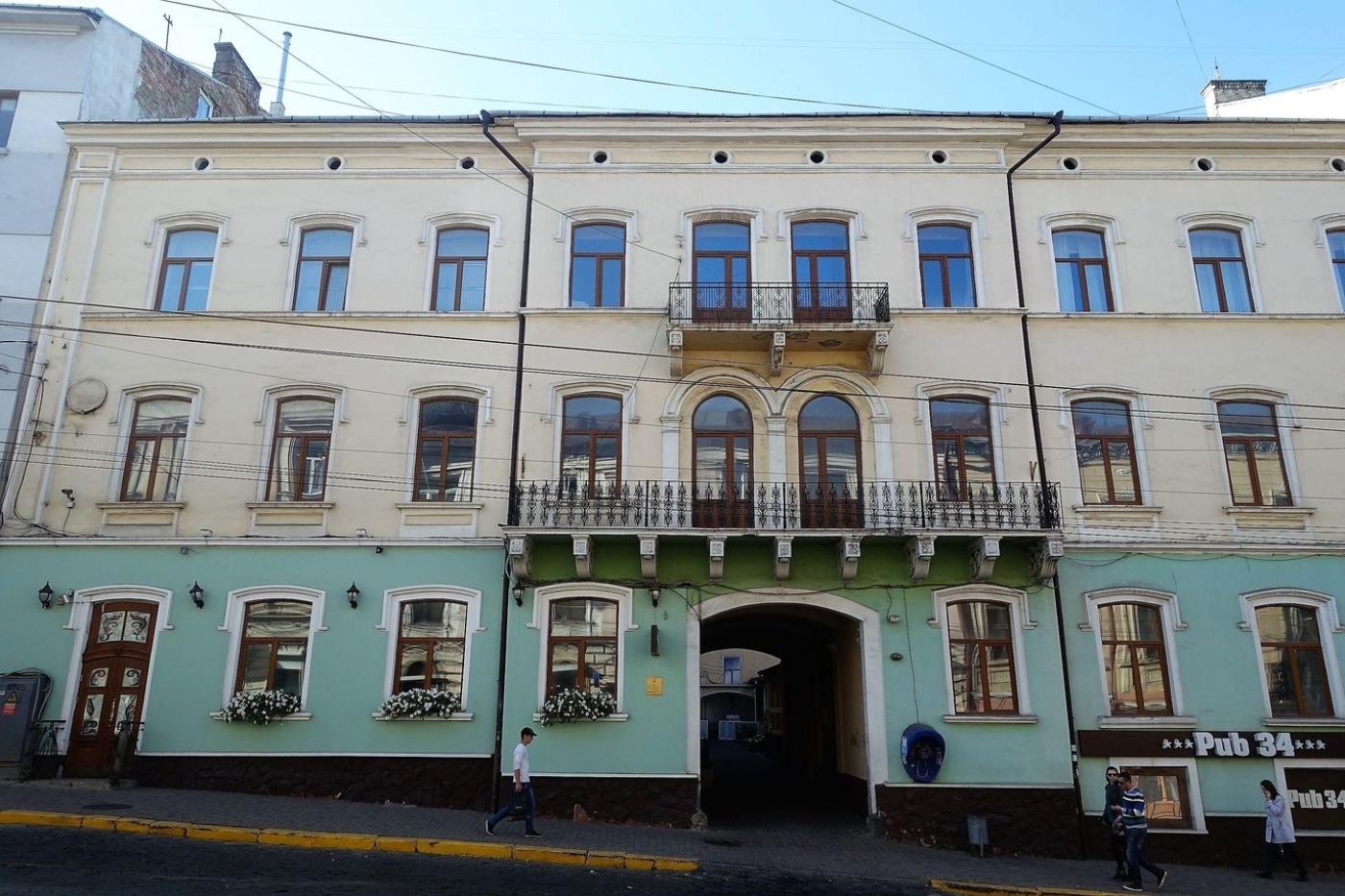
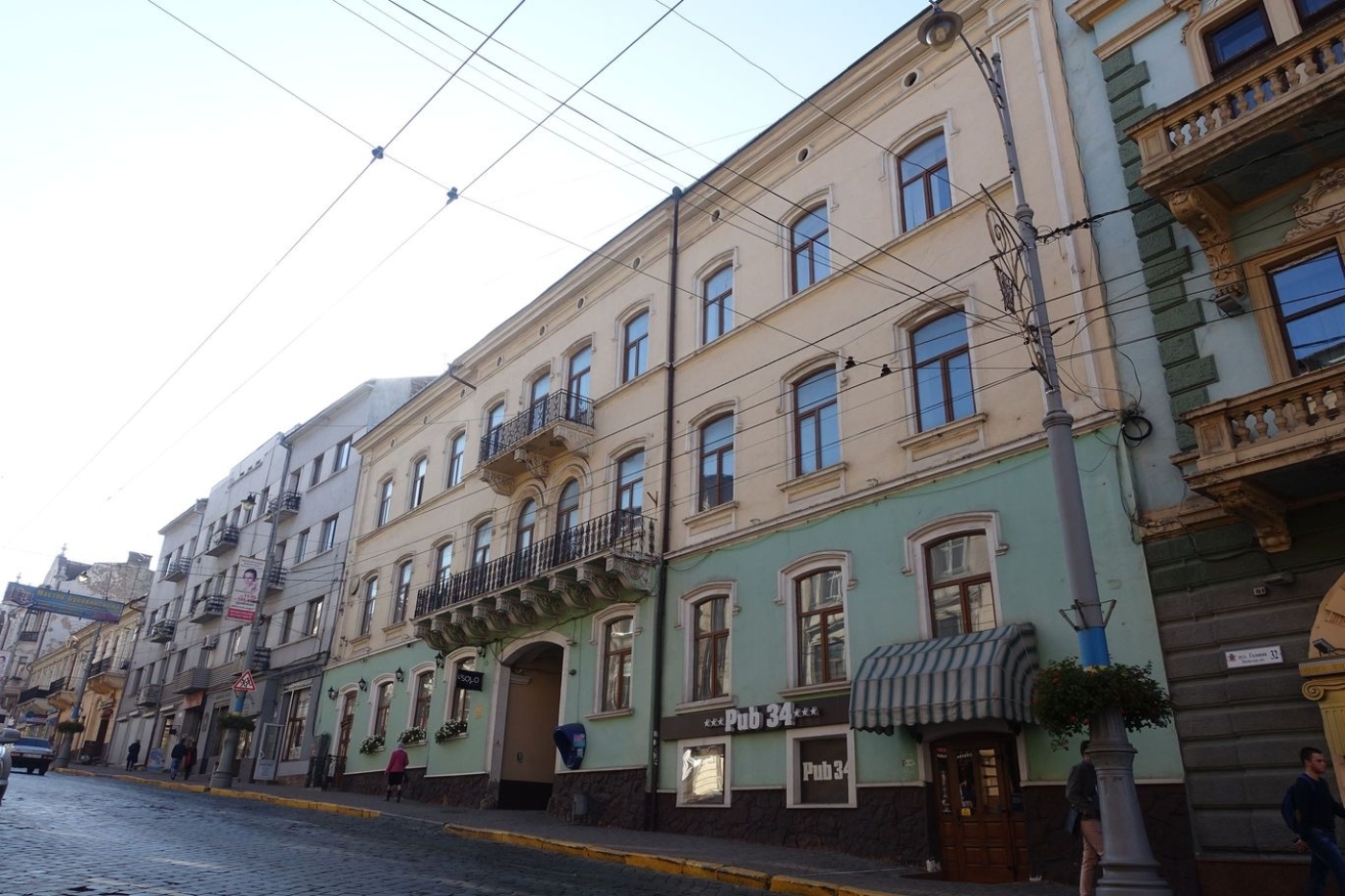
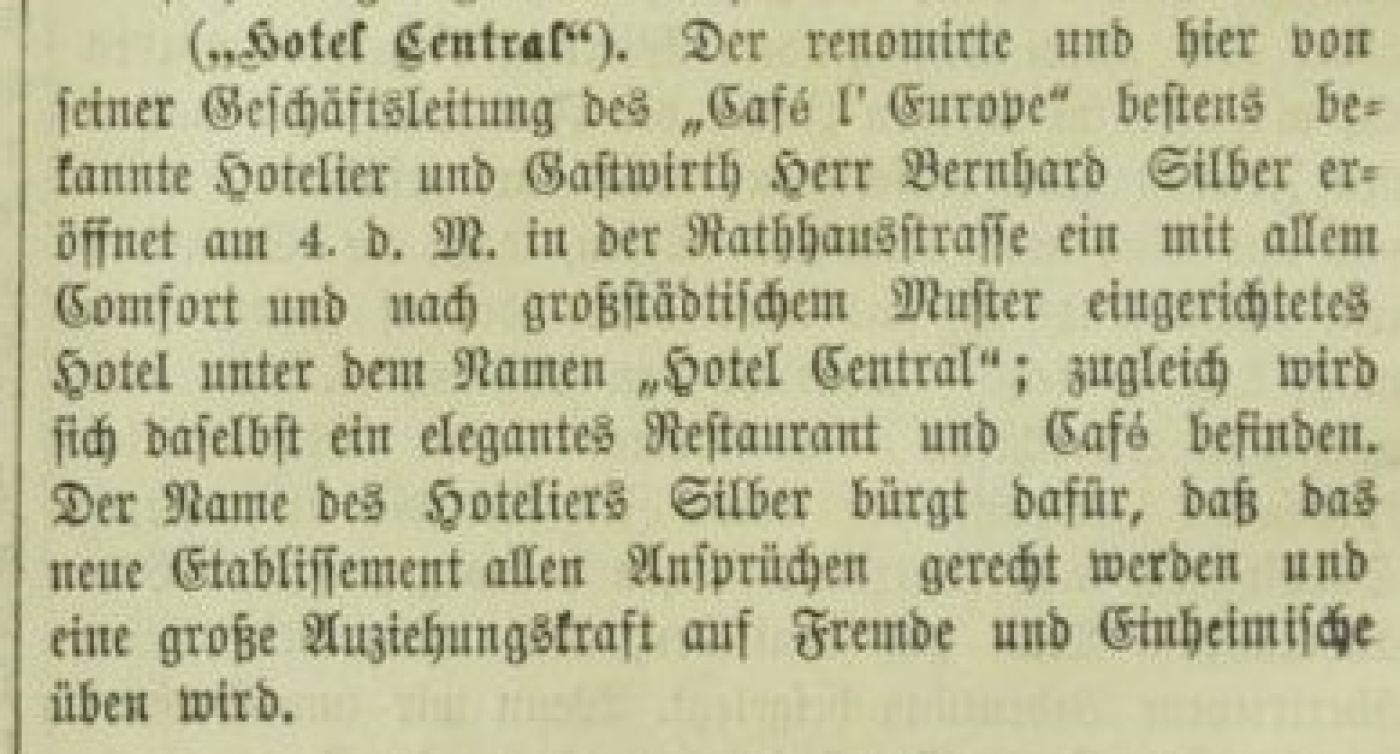
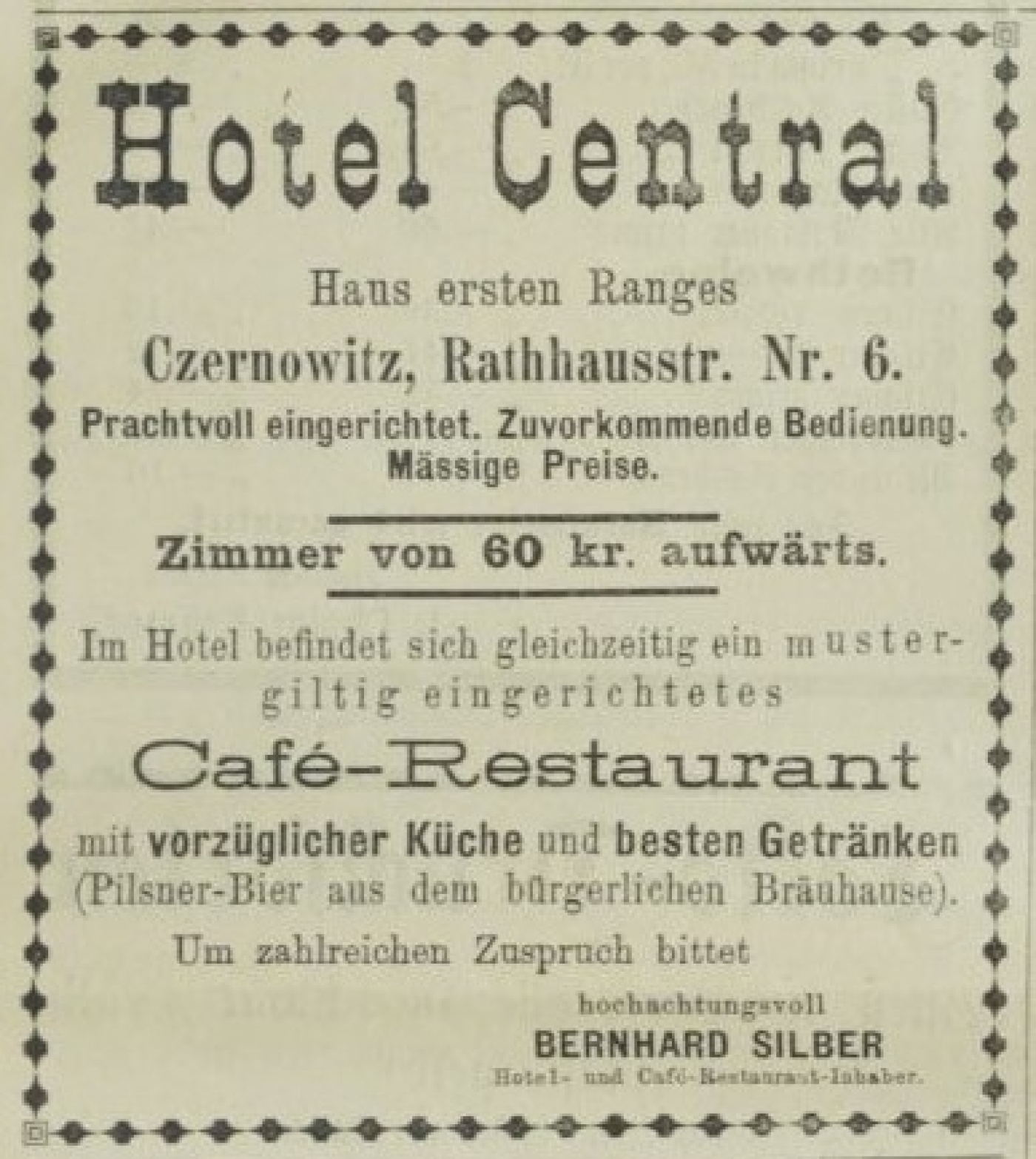
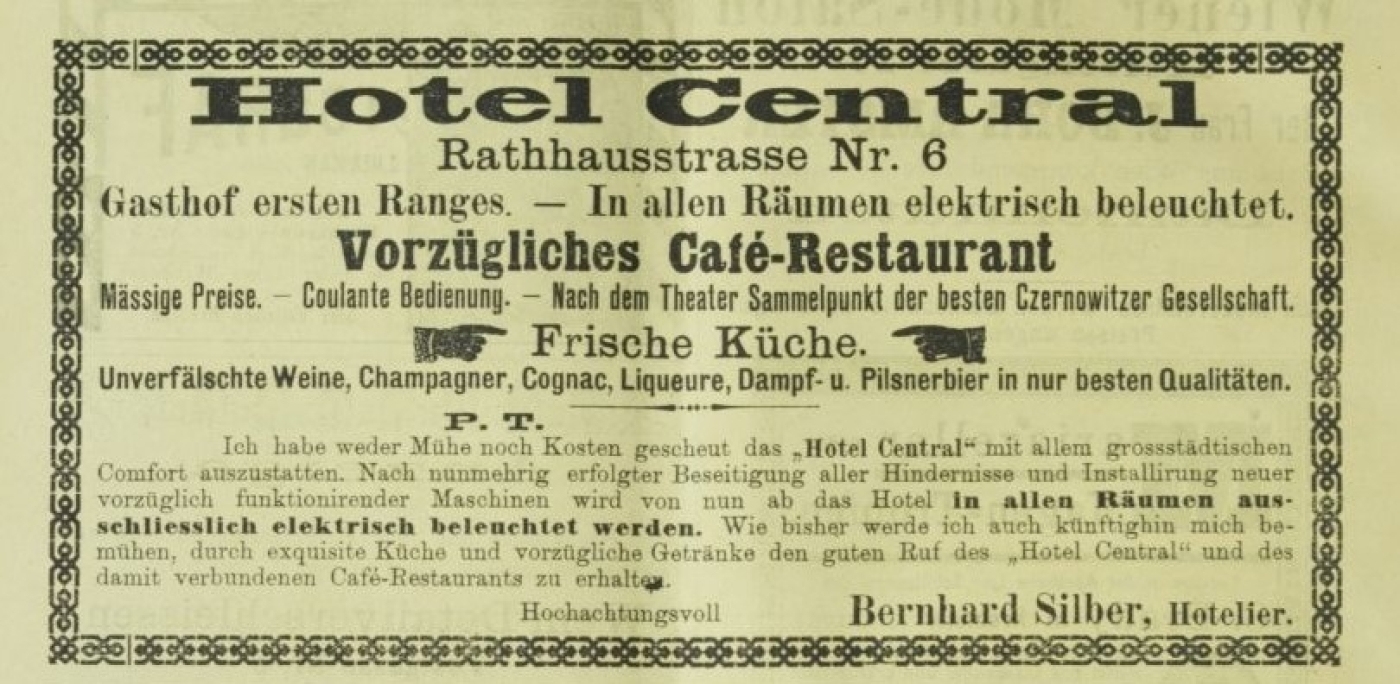
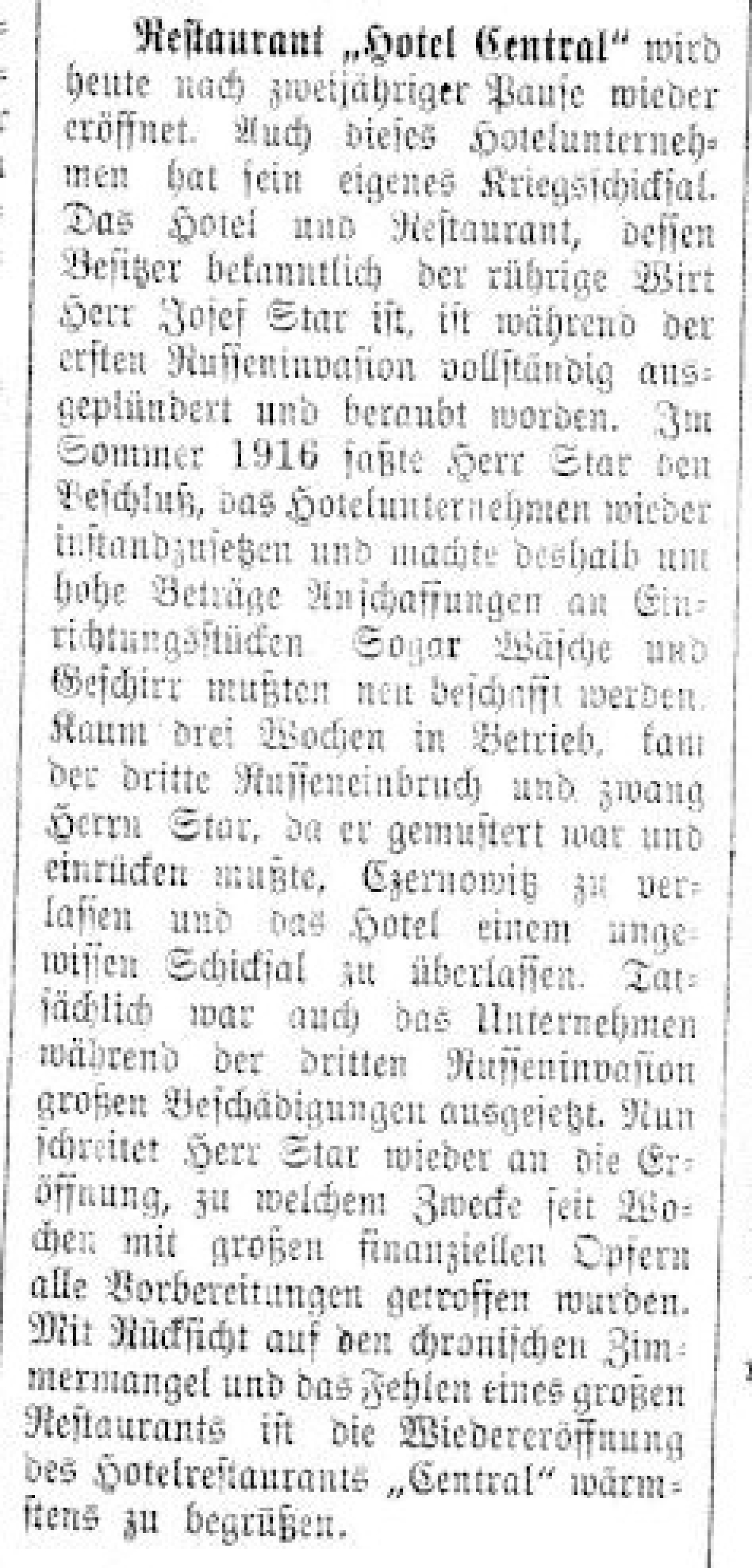
The Jewish orphanage in particular benefited from the purpose of the foundation, as the income from the hotel (or rent), which was channelled into the Wagner Foundation established in 1904, enabled the Jewish orphanage to be built within a few years and then maintained for several years. The orphanage received 700 crowns per pupil per year.
In a journalistic article written in 1934, Heinrich Goldmann described the atmosphere of the hotel and the gatherings of well-known personalities from the city and the Crown Lands: “The leisurely, quiet life of the small-town citizens ripples monotonously up and down Rathausstrasse, past the wall of the Hotel Central; but here, in these historic rooms of the hotel, is the centre of political and social life; everything of importance is concentrated here: Politicians, officers of the cavalry whose regiment is stationed in Sadagura, landed gentry and members of the Austrian high aristocracy, the 'cream' of society, the distinguished world. Members of Parliament, members of the Imperial Council, counts and barons lived here. Count Wassilko, President and later Prime Minister Prince Hohenlohe, later Bleyleben, Dr Rott and many others are frequent guests here; here, in the large hall of the restaurant, banquets are held, important speeches are made, the young, temperamental Straucher toasts and wins his first laurels ..." (Der Tag, no. 627, 29 April 1934, p. 2).
After the First World War, the hotel, which existed until the end of the 1930s, went into decline. In 1930-31, the subsequent tenants stopped paying the Jewish religious community to which the orphanage belonged. No renovation work was carried out and the building was turned into a hotel by the hour. Various court cases followed, the hotel became a pawn in political campaigns, and its decline was inexorable. Heinrich Goldmann summed up these processes vividly: 'With the new era came new people, and the new people also slowly but noticeably stayed away; the hotel emptied out, dubious characters moved in, at first performers from bourgeois nightclubs took up residence in the hotel rooms, the standard sank more and more, later prostitutes and dark existences arrived, it became a veritable hotel by the hour, bugs and vermin were already inquiring about the guests' room doors in the porter's lodge. In recent years, nothing has been done to stop the decay; people of the previous generation say that when they enter the courtyard of the hotel today, they touch their foreheads in horror. What a life there once was around these walls, and what a foul smell now emanates from the centre of the badly paved, bumpy courtyard, which looks like the drill hall of an old barracks, from its canal! The iron grids in the corridors are bent and rusty, the window crosses are weathered and shabby, the wooden staircases, once covered with precious carpets and held together by wide brass rods, creak and groan, the rooms are neglected, the lighting is inadequate [...]'.
Text: Markus Winkler