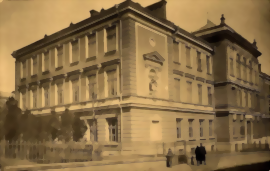
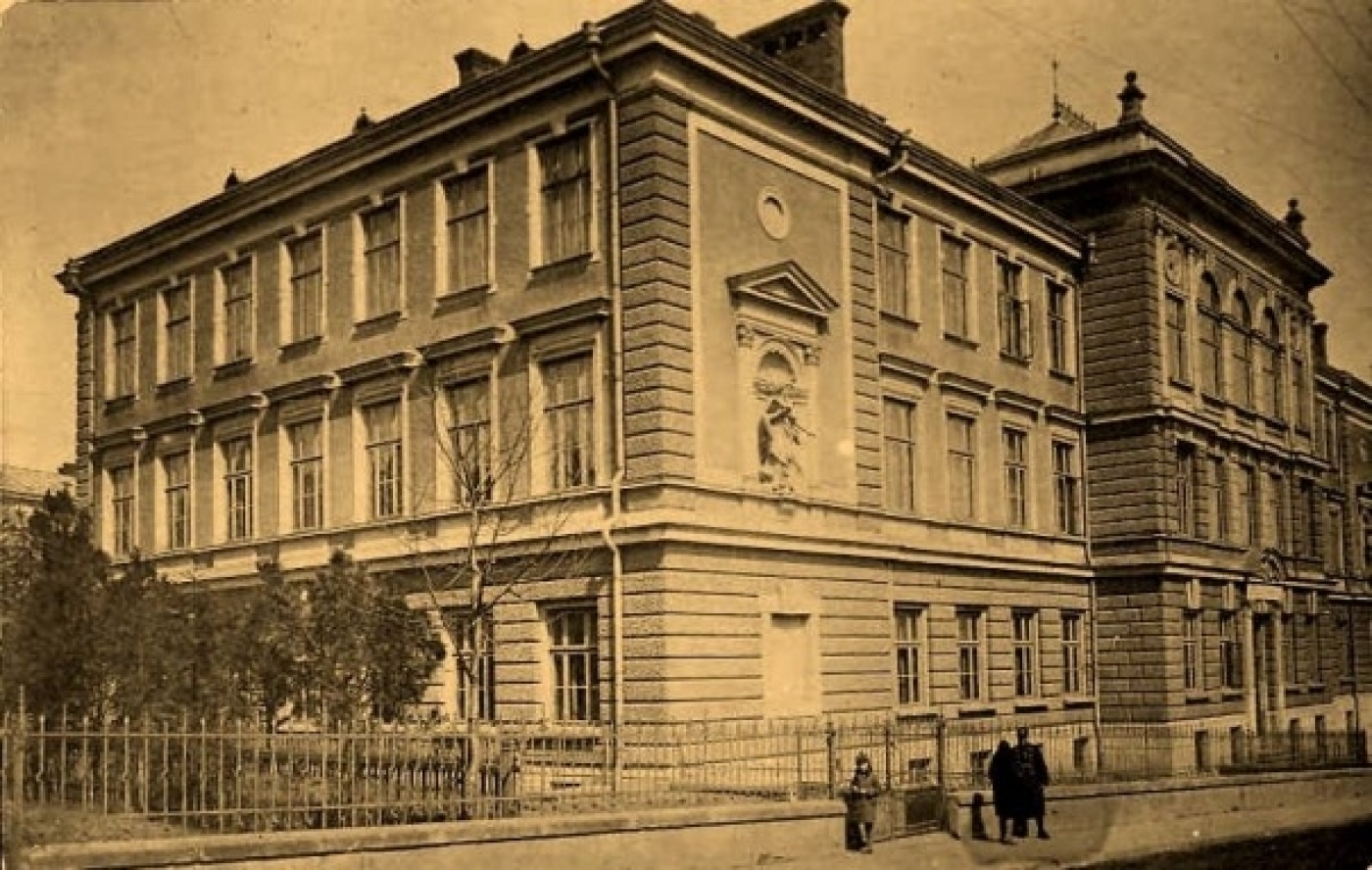
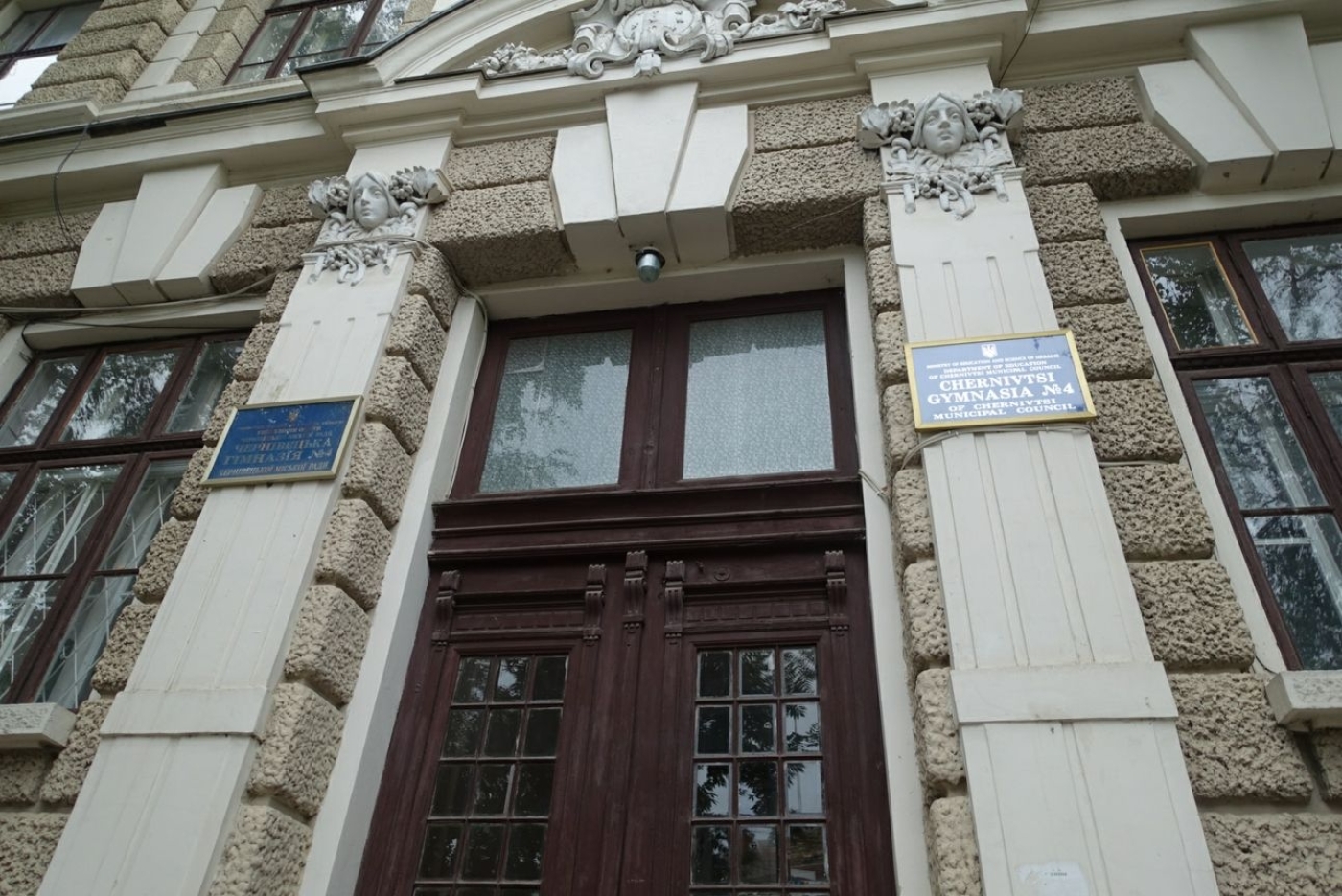
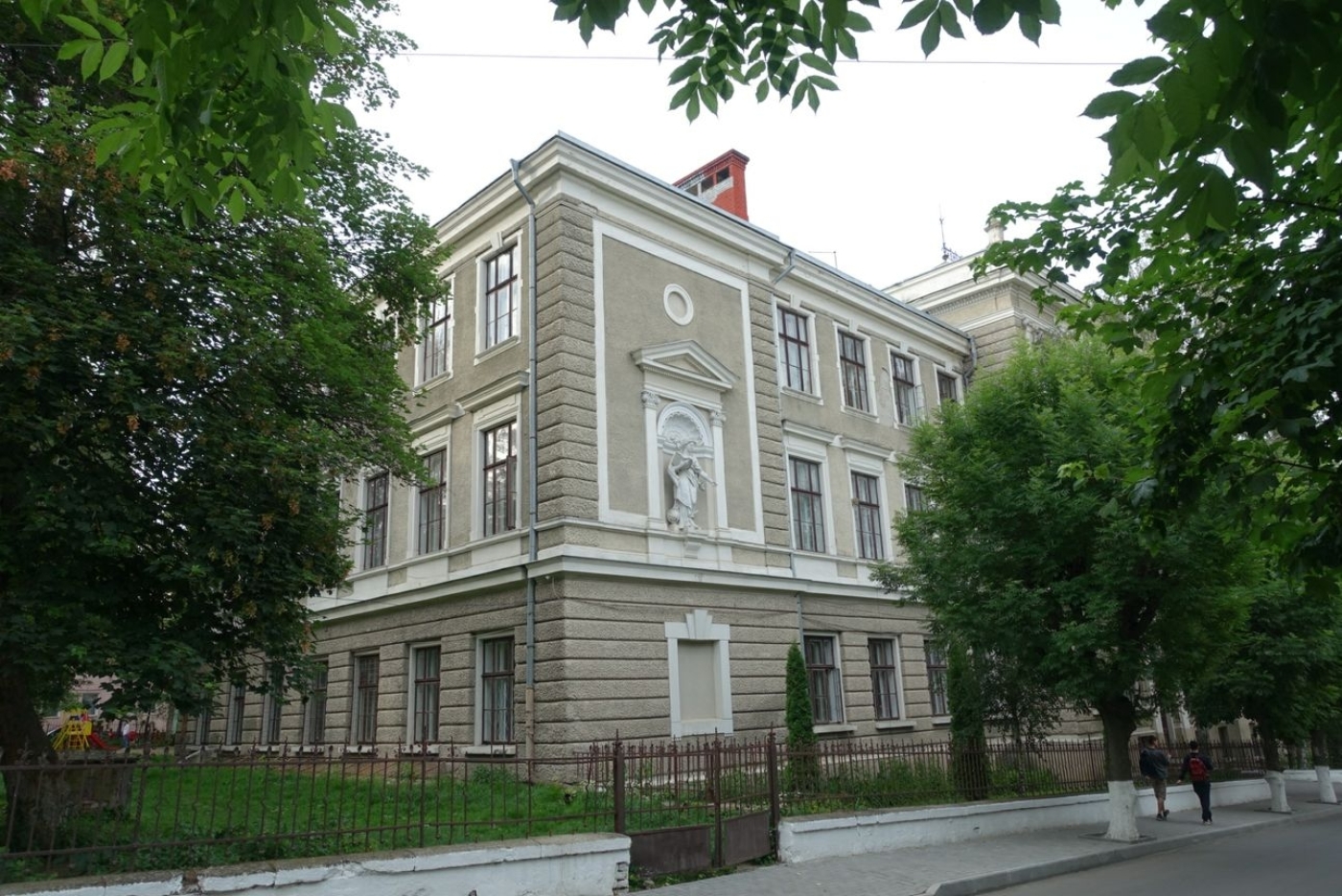
In the first year 37 pupils were admitted. The language of instruction was German, while the students received religious and language instruction in their mother tongues, Romanian and Ruthenian. The secondary school was located in Cherescul Street (Strada Cherescul, after 1924 Strada Episcopul Herescu, today ukr. vul. Ščepkina 2), in the present building of the gymnasium no. 4.
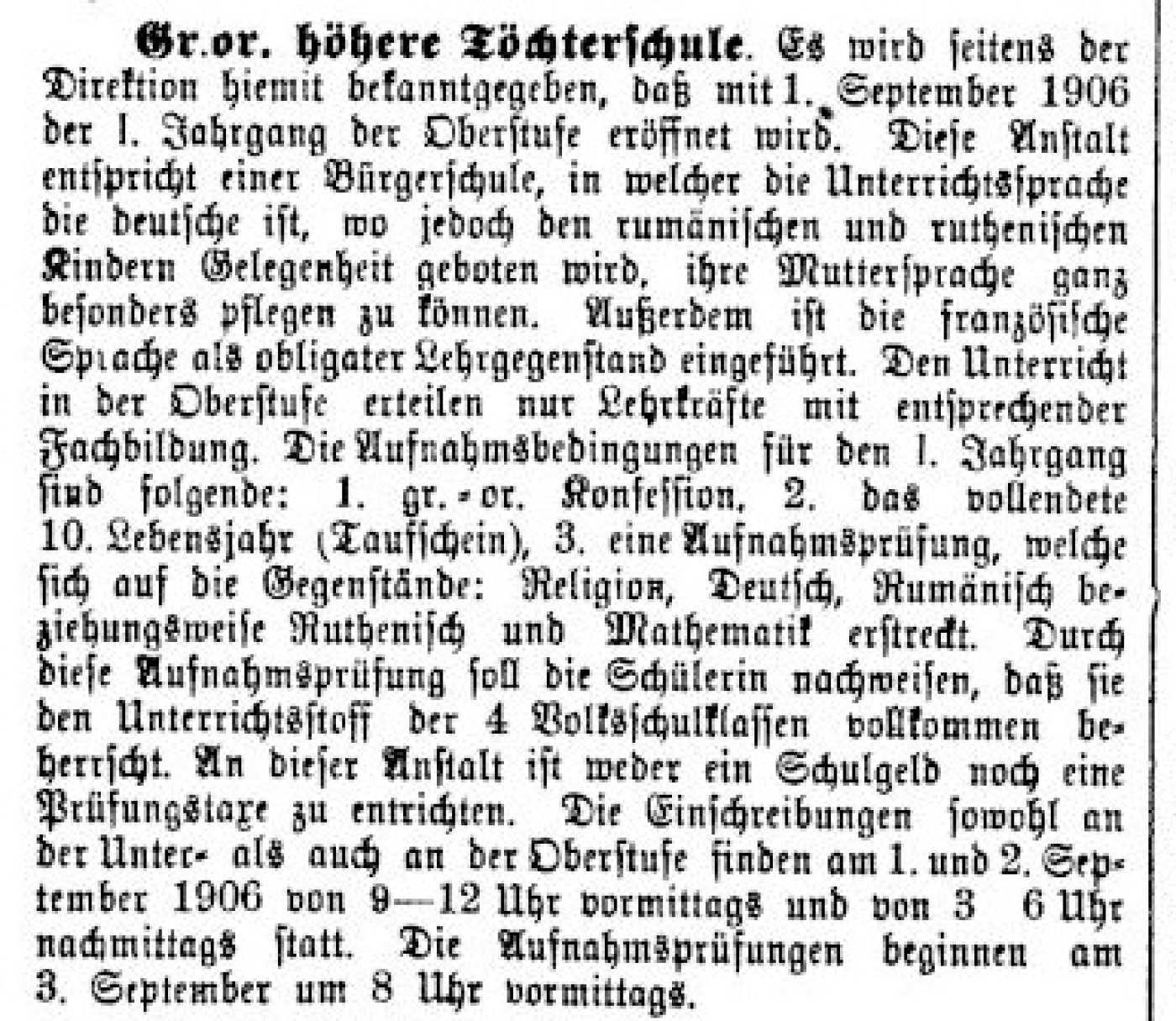
The demand for school places and education grew and in 1906 the grammar school opened the first class of the gymnasium. To attend the secondary school, applicants had to meet the following admission requirements '[...]1.) Gr. or. confession, 2.) the age of 10 (baptismal certificate), 3.) an entrance examination covering the subjects of religion, German, Romanian or Ruthenian and mathematics. By means of this entrance examination, the pupil should prove that she has fully mastered the subject matter of the four primary classes' ([Neue] Freie Lehrer-Zeitung, 6 August 1906, pp. 6-7).
On 27 April 1911, a deputation of the “Höhere Tochterschule” (“higher Daugtherschool”) approached the provincial president Oktavian Regner von Bleyleben and the provincial school inspector Simionovici with the request that the Gr.-or. Höhere Töchterschule into a girls' lyceum. In December 1911, the Chernivtsi Provincial School Board received a telegram from the Minister of Culture and Education stating that the change had been approved. In the school year 1912-1913 there were already 487 female students enrolled in the lyceum. Stephanie Jemna (née von Turetzki) was appointed headmistress in 1913. There were no school fees at the lyceum, only ink money. The lyceum was financed by numerous donations. Under Gr.-or. Ecaterina Mandyczewski (Katharina), sister of the Bukowina composer Eusebius Mandyczewski, was employed as a music teacher at the girls' lyceum.
After the annexation of Bukovina to Romania, the lyceum was transformed into the Romanian-language Orthodox Girls' Lyceum "Elena Doamna". After the Soviet occupation and until 1996, the secondary school no. 9 was housed here. After a school reform in Ukraine, the school received the status of a gymnasium (gymnasium no. 4).
Text: Kateryna Stetsevych