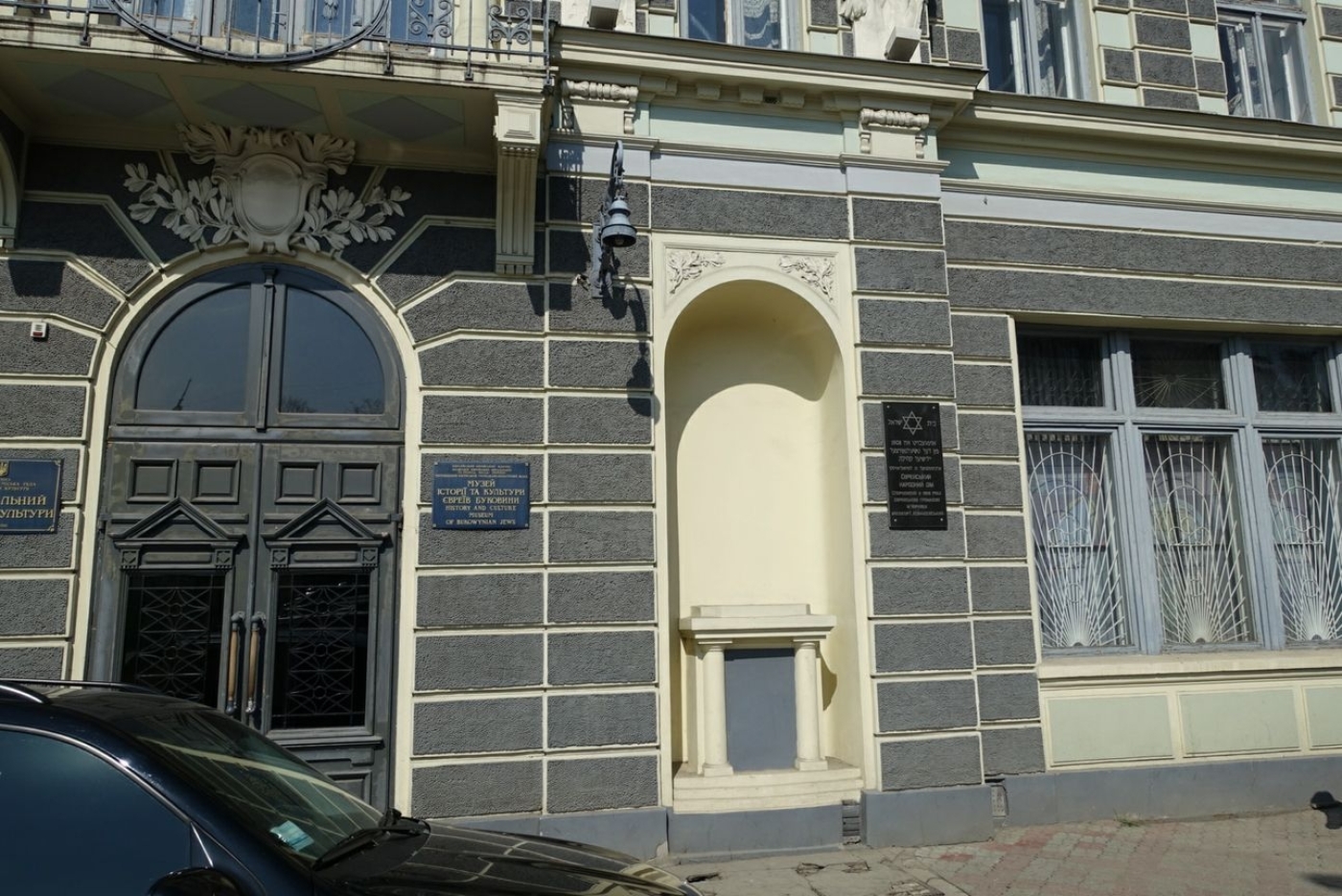
The work of the Jewish Museum is independent of the various Jewish communities that have re-emerged in Chernivtsi, but there are various forms of cooperation. The museum also works with the city of Chernivtsi and with individual organisations and initiatives, such as the Ukrainian-German cultural association “Zentrum Gedankendach” at Yuriy Fedkovych University. However, the museum does not receive any state funding, which means that its activities are subject to a high degree of short-term and long-term planning uncertainty. On the other hand, this also gives the organisation freedom, as it is not subject to any funding guidelines.
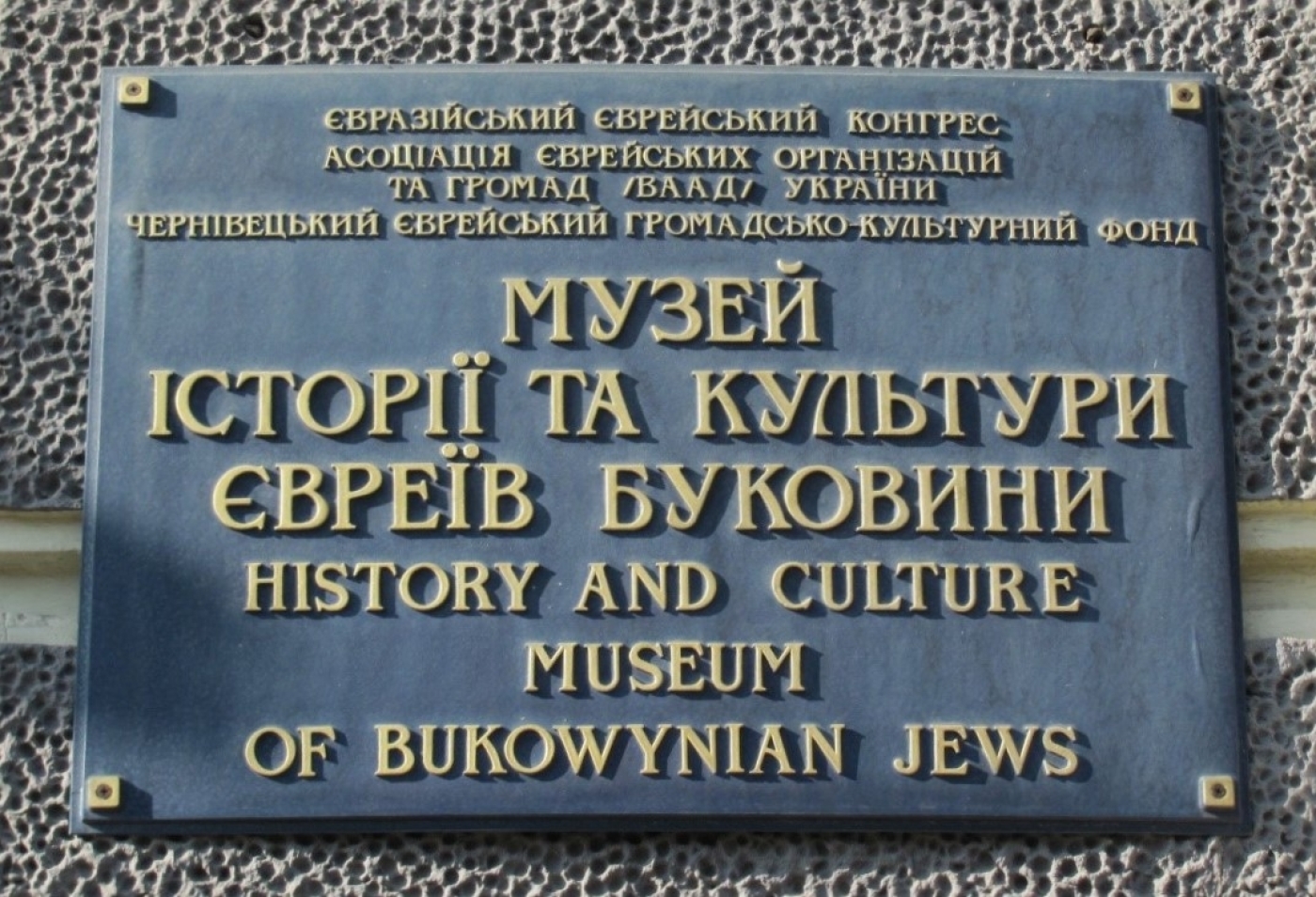
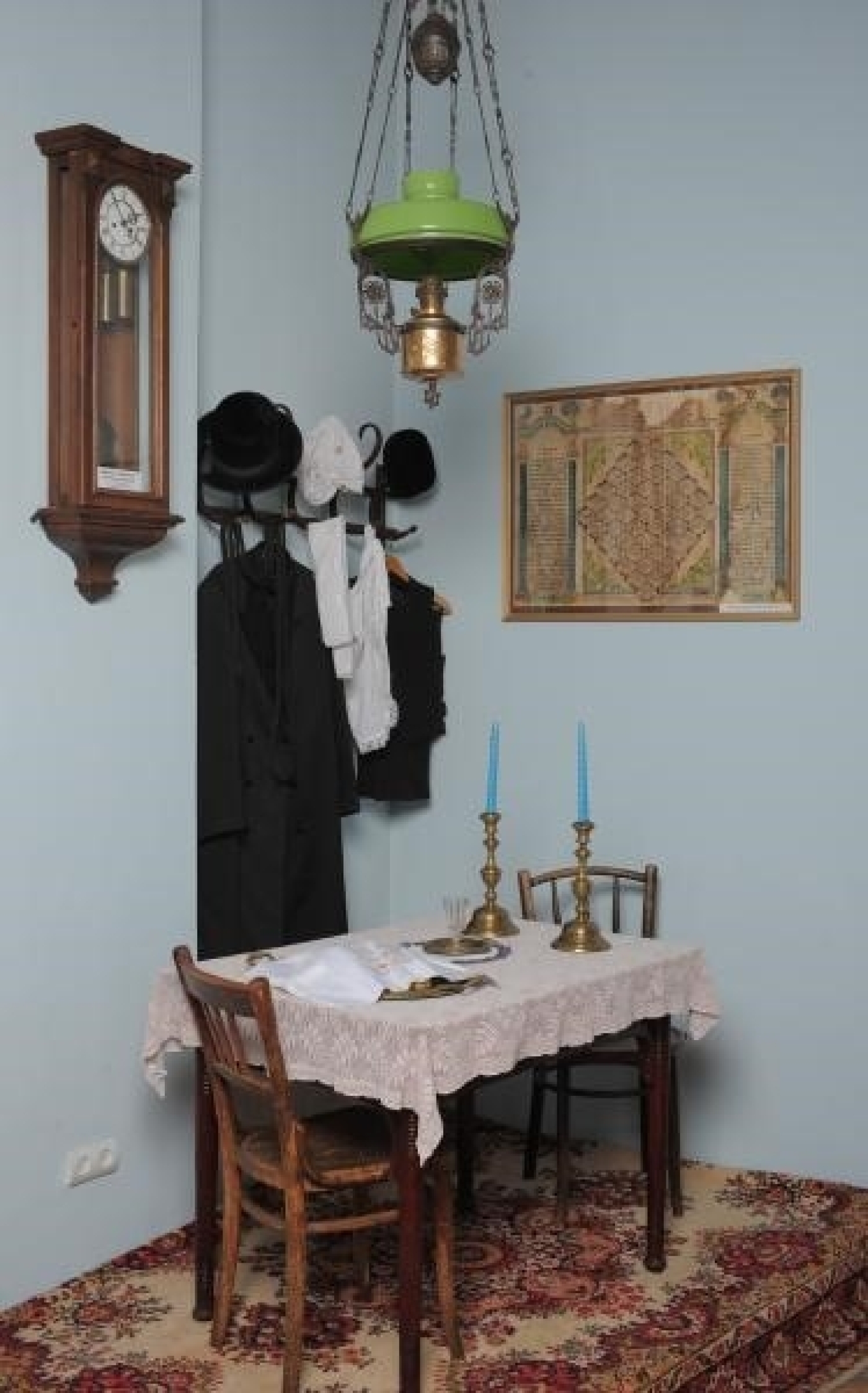
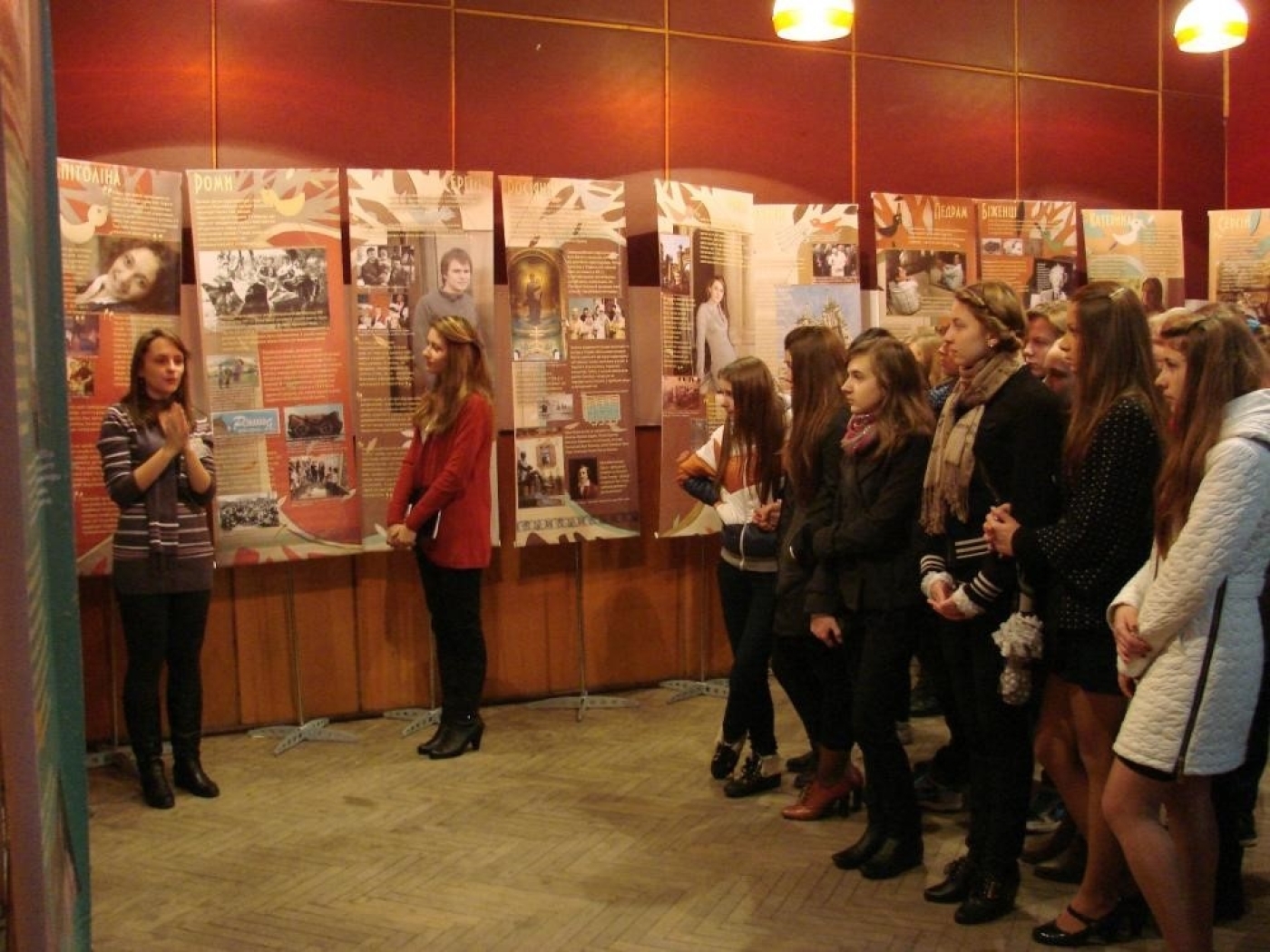
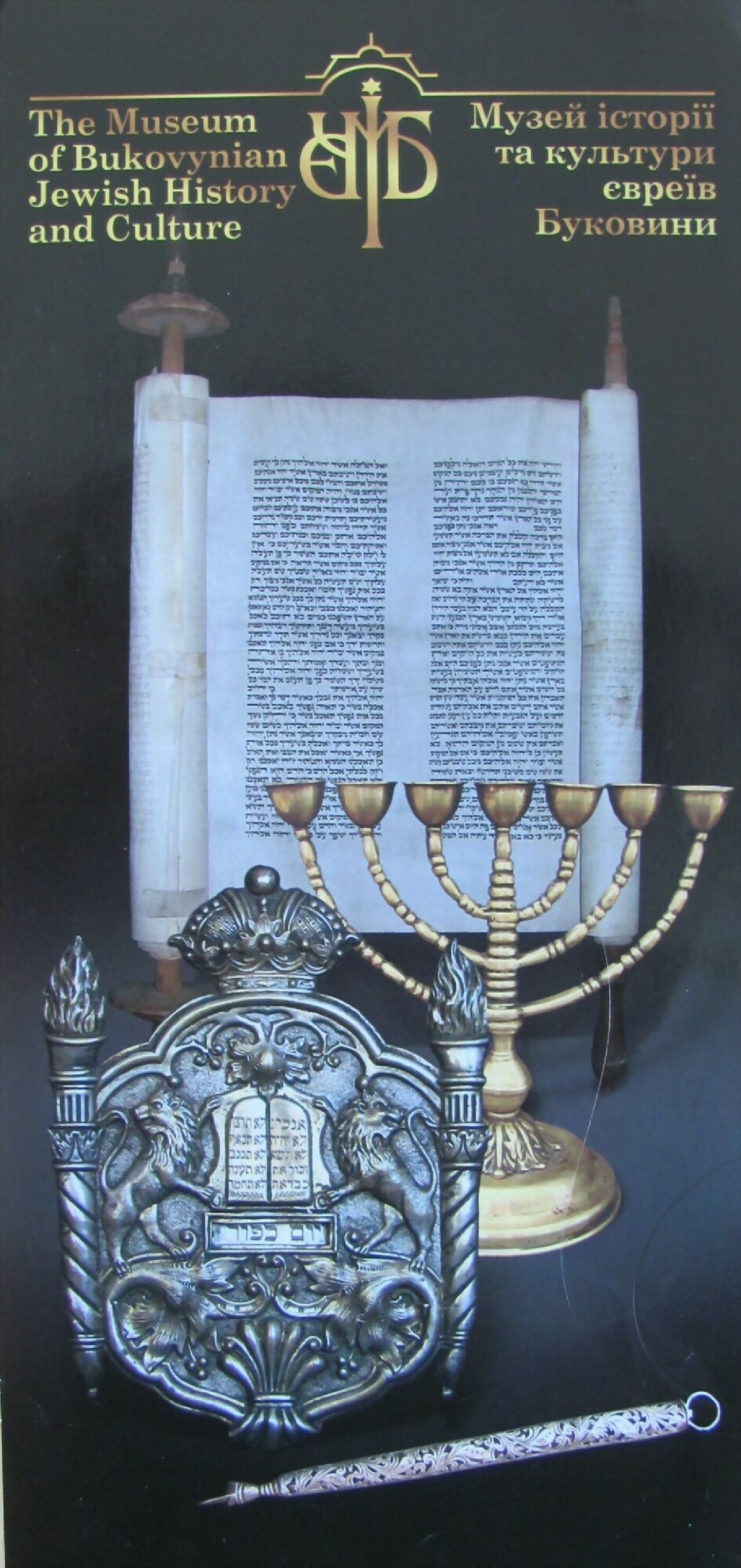
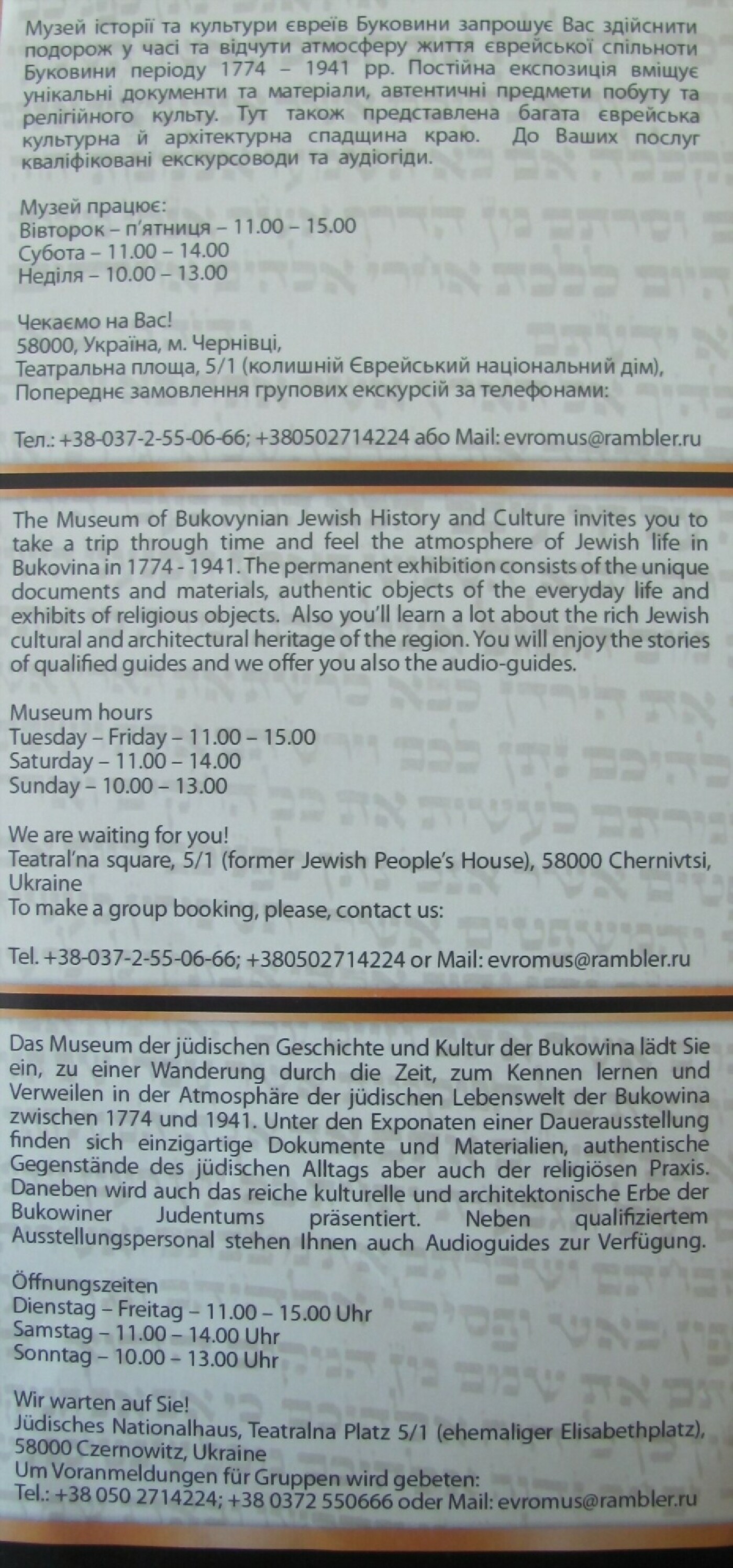
The museum provides an overview of the history of Judaism in Bukovina and the Jewish community in Chernivtsi between 1774 and 1941. The exhibits in the permanent exhibition, which include unique documents from the region as well as authentic artefacts from everyday Jewish life and religious practice, provide an insight into Jewish life. The permanent exhibition is located in two rooms on the ground floor of the building, and visitors are provided with guided tours and audio guides (in Ukrainian, Russian, English, German and Hebrew). The main aim is to give an impression of the atmosphere of Jewish life in Bukovina between the end of the 18th century and the beginning of the 20th century. In addition to the permanent exhibition, there are several temporary exhibitions and a museum collection with numerous audio, photographic and video recordings, as well as various research publications on Jewish life in the region.
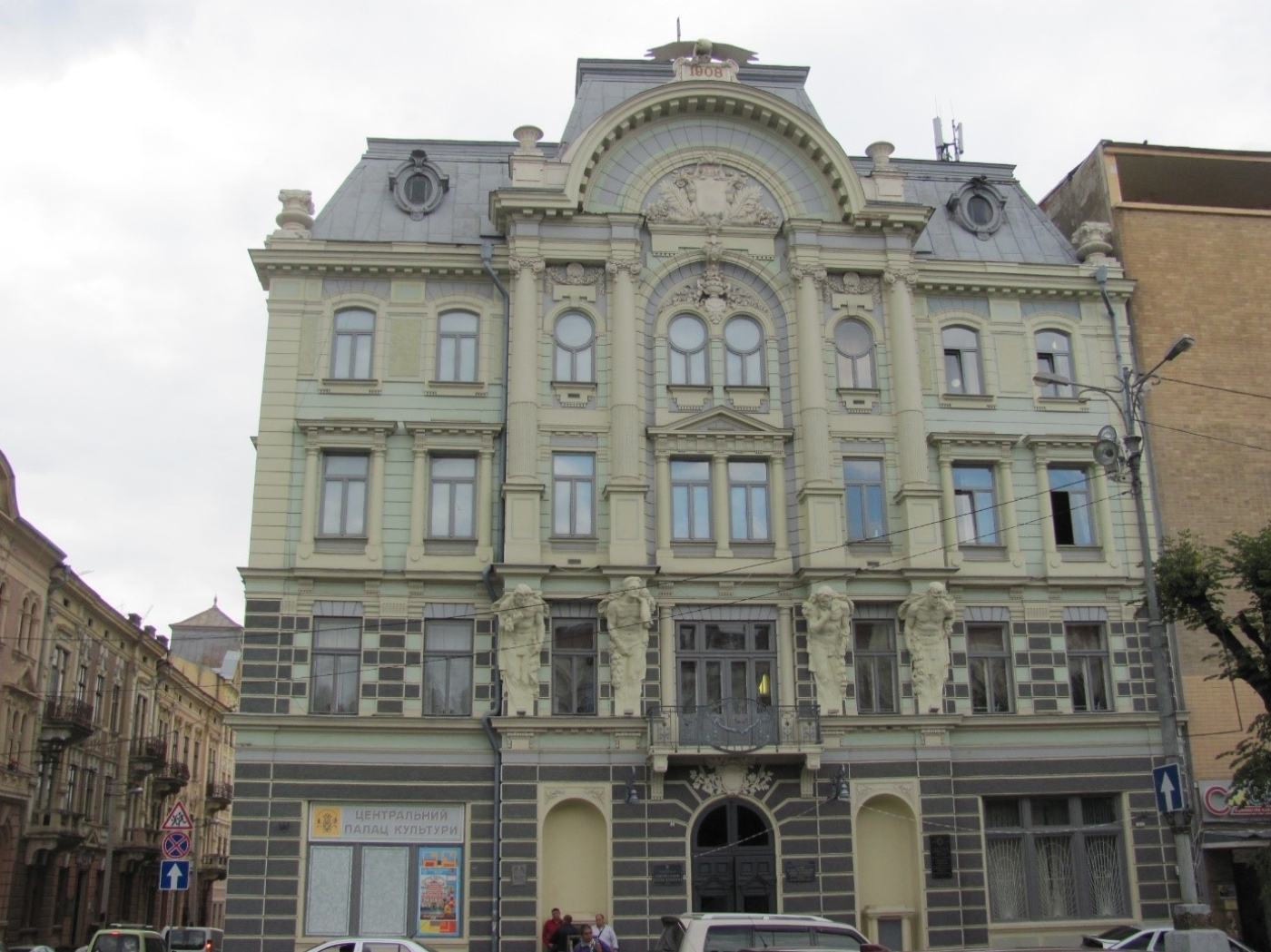
The staircase of the building (the former Jewish House, where the museum is now located, was built in 1908) still bears traces of the Soviet era, when an attempt was made to eliminate everything non-Soviet by rededicating and destroying ethnic symbols. The spikes of the Stars of David on the steps of the building were cut off - most of them have since been restored, but some have been left in their destroyed state for reasons of commemorative culture and are a powerful reminder of the minority policies of the Soviet era. Similar stories of rededication and destruction can be found throughout Chernivtsi. Of the 57 synagogues that existed before the Second World War, only two remain (including the Beit Tefilla Benjamin synagogue, which was in use before the Second World War). The old Jewish cemetery has been closed; other buildings have been converted, such as the current cinema in the vul. Universytets'ka 10, which used to be a synagogue and is now popularly known as the “Cinemagoge”. Similarly, the Jewish community in Chernivtsi was only granted permission to use some rooms in the former Jewish National House in the 1990s, after the end of the Soviet Union, until the Jewish Museum was established in 2008. The opening coincided with two anniversaries - the first written mention of the city of Chernivtsi 600 years ago and the centenary of the Yiddish language conference.
Today, almost half of the museum's visitors come from abroad, mainly from Germany, Austria, Romania and Israel, but also from other parts of the world. Visitors are often looking for traces of their ancestors in Ukraine, as a large part of the Jewish population emigrated all over the world, especially after the Second World War. Foreign visitors predominate, especially from May to September, while in the winter months it is mainly Ukrainians who visit the museum. However, according to the museum's director, Mykola Kuschnir, it is interesting to note that the Jewish heritage of Chernivtsi is more important and better known in Western countries than among Ukrainians themselves, mainly because of the large emigration of the Jewish population from Bukovina. The museum therefore aims to be a place where Jewish culture, which has almost disappeared, can be rediscovered. It also aims to be a platform for the networking of various Jewish and non-Jewish organisations around the world and for research into Jewish life in Bukovina.
Text: Kirsten Heyerhoff
Opening hours:
Tue–Fri: 10:00 a.m.–5:00 p.m.
Sat: 10:00 a.m.–2:00 p.m.
Sun: 10:00 a.m.–1:00 p.m.
Materials:
- Das Czernowitzer Museum für jüdische Geschichte und Kultur der Bukowina
- Gedenkstättenportal zu Orten der Erinnerung in Europa - Museum für die Geschichte und Kultur der Bukowiner Juden