The Jewish community had a decisive influence on the press and theatre in Chernivtsi. Jewish architects, hoteliers, bankers and directors of various professional organisations were an integral part of social life. They held monopolies in various trades (carpentry, watchmaking, shoemaking) and in retail and wholesale trade. By the beginning of the 20th century, they constituted an absolute majority in the liberal professions, as private doctors and lawyers, and in the public service, as teachers and civil servants. Jews also played an important role in politics. They were represented on the municipal council and produced two mayors, Eduard Reiss (1905-1907) and Salo Weisselberger (1912-1914).
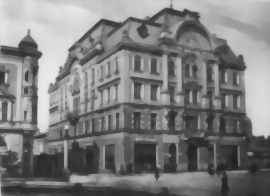
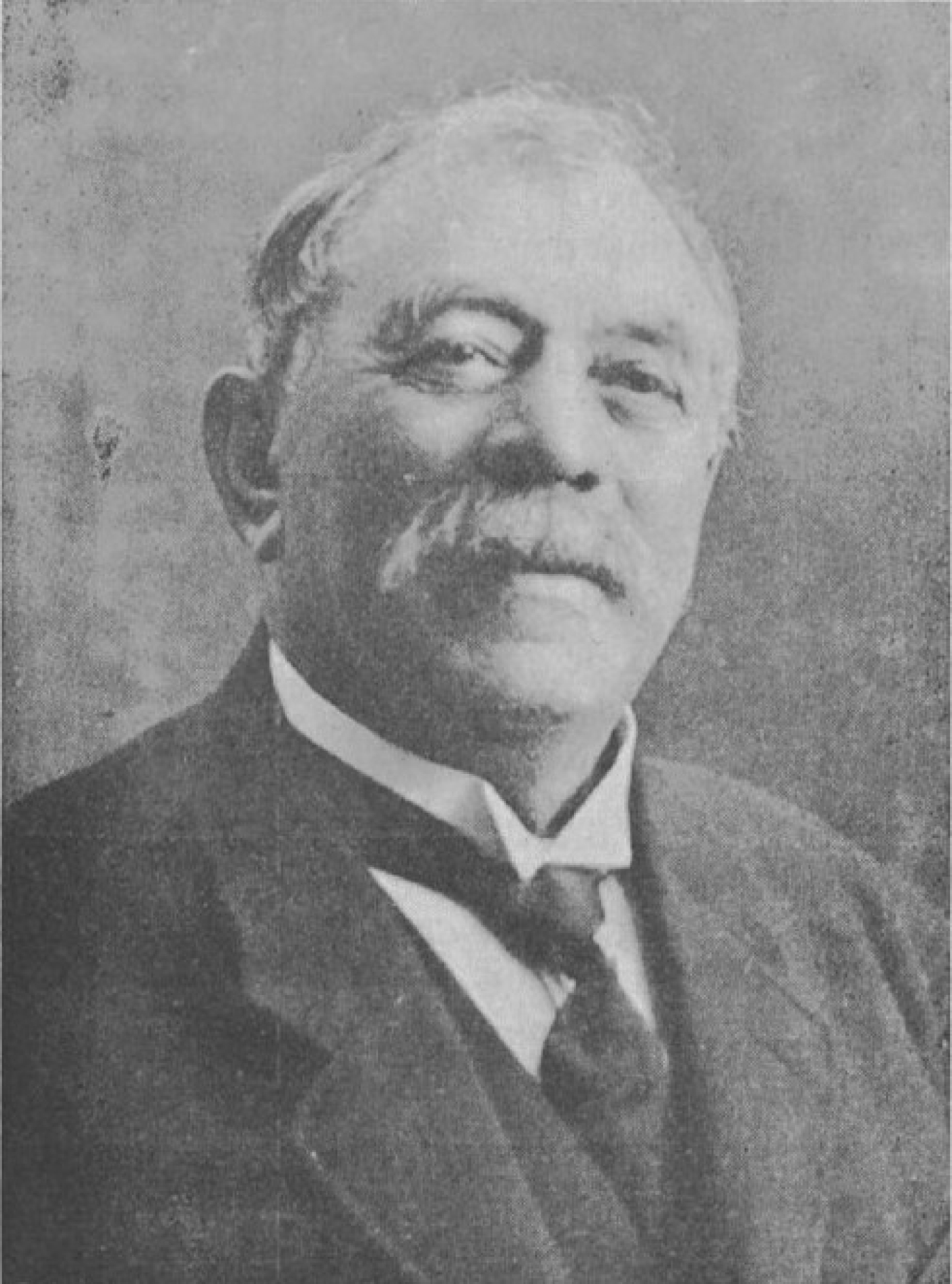
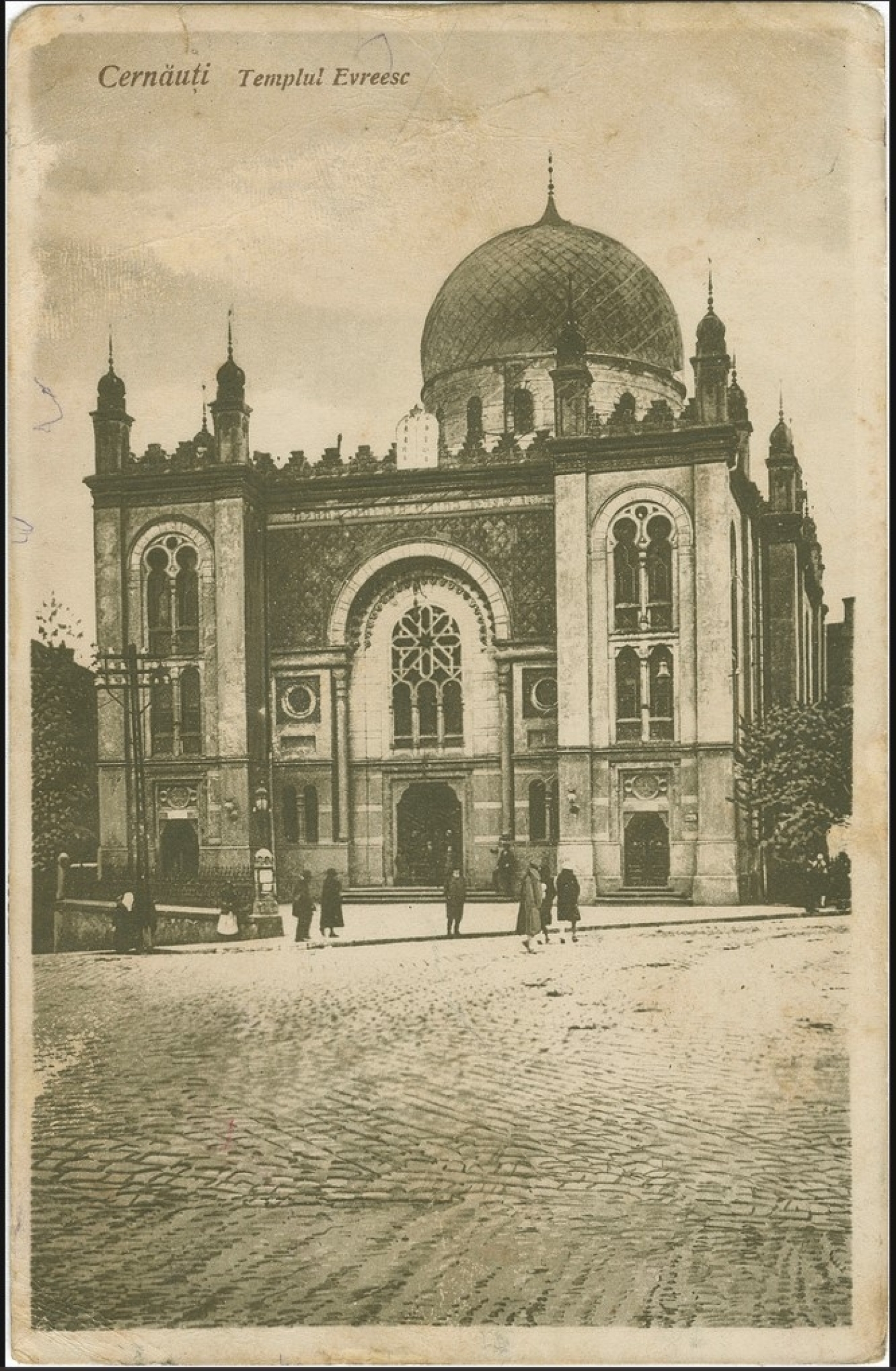
As early as 1841, there were two distinctly different religious communities in Bukovina. There was the camp of the Hasidic Jews and the enlightened Reform Jews, whose chief rabbi, Elieser Igel, began preaching in German in the Great Synagogue in 1857. During the national awakening from the mid-19th century, a strong Zionist movement also emerged, which was the largest communal group of Jews in Bukovina until 1940. The majority of Bukovina's Jews spoke Yiddish and adhered to Orthodox traditions. The majority of urban Jews in Chernivtsi, however, spoke German and, from the 1860s, adopted German-Austrian culture. The majority of Jewish children in Chernivtsi attended state schools where German was the language of instruction, and from the 1980s Jewish journalists published newspapers in German. In this way, the Jewish population made a significant contribution to the German culture of the city. As many of Chernivtsi's Jews were already taking part in German-language cultural programmes, it was not until 1908 that the Jewish National House was opened as one of the last clubhouses under the direction of the long-serving gerent Benno Straucher.
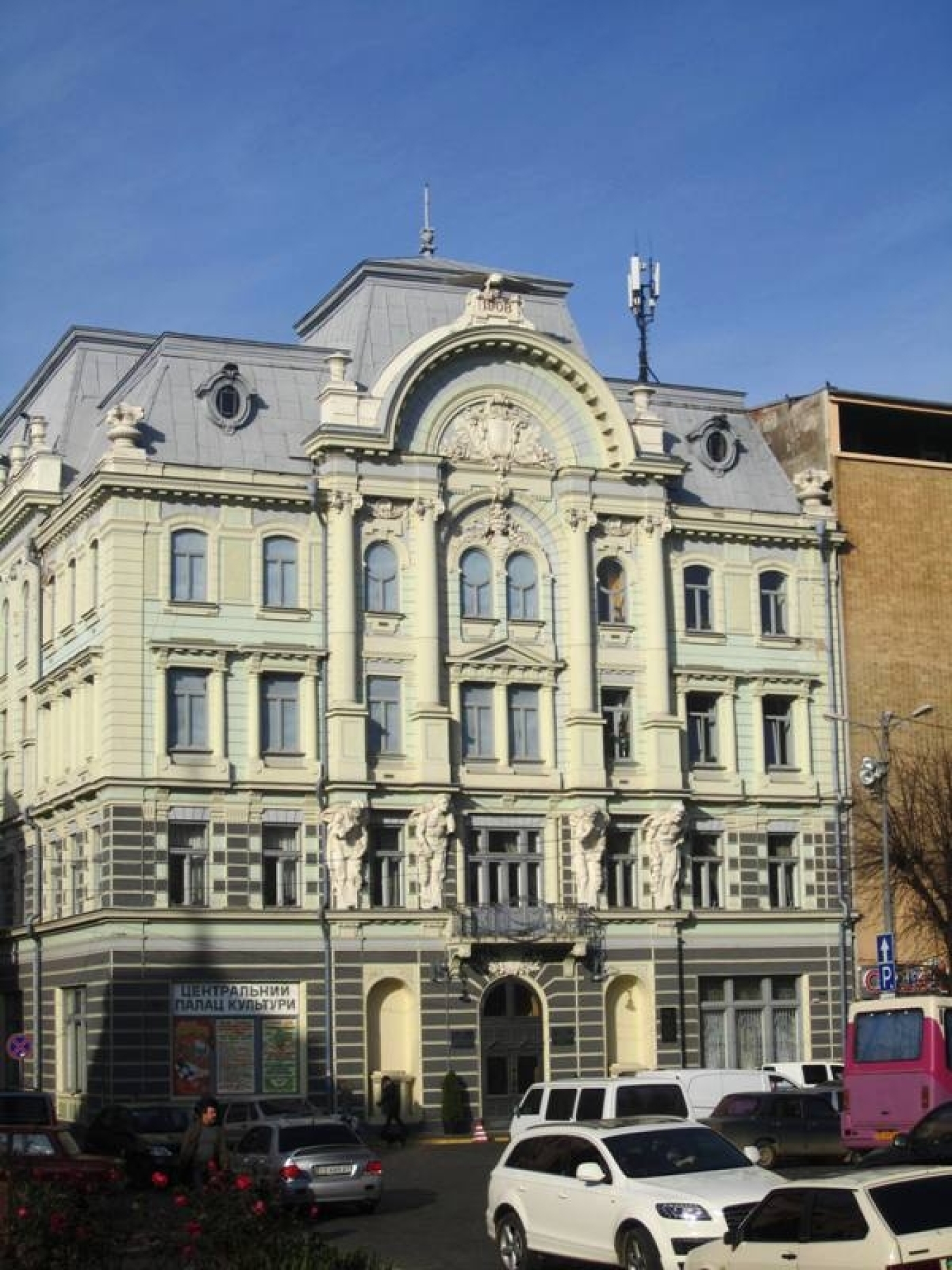
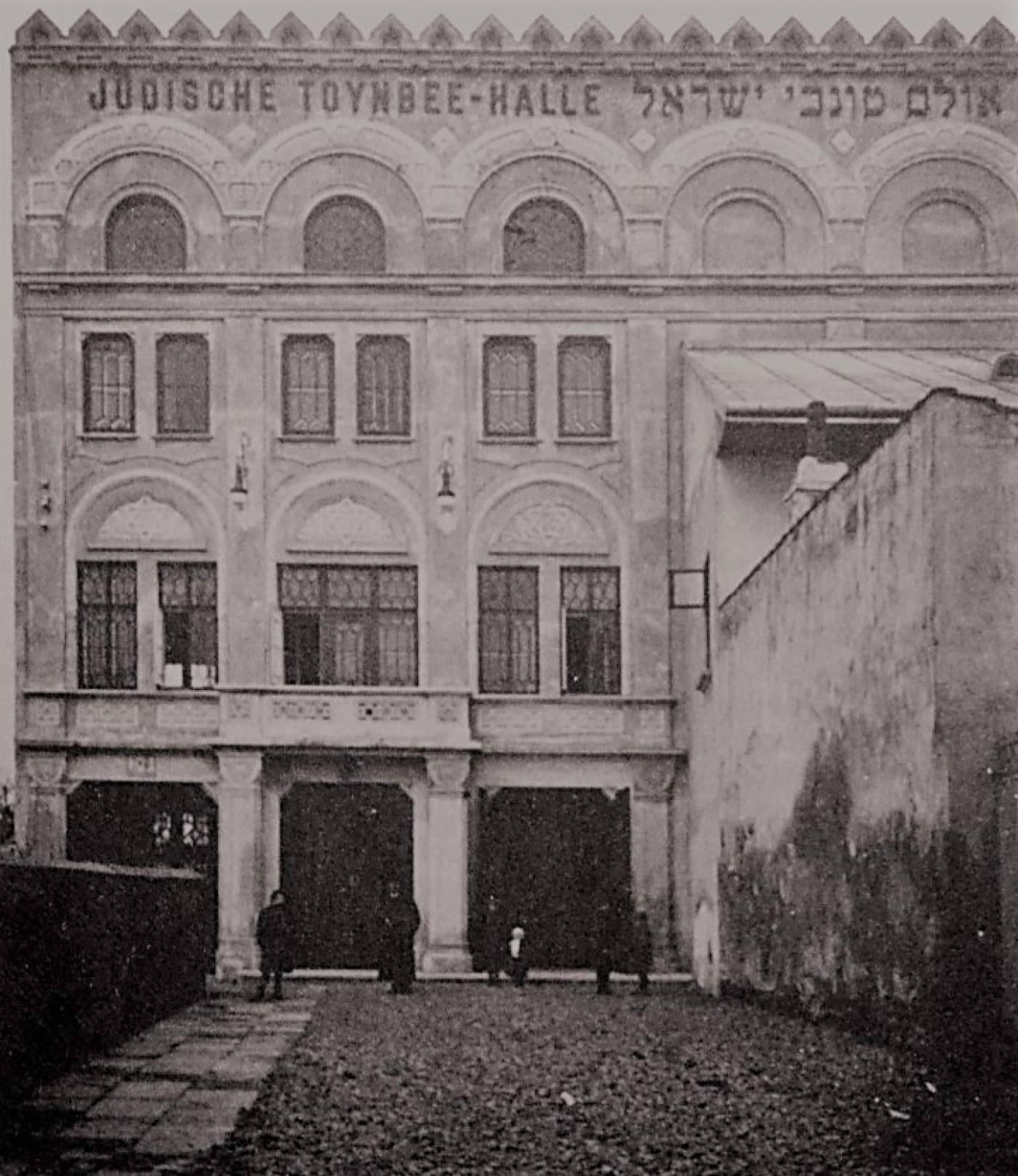
It was located in the centre of the city on today's Theaterplatz and housed the main branch of the Jewish community. It functioned as a venue for events and meetings but excluded the Yiddish and Hebrew streams. For this reason, the Jewish Toynbee Hall was built in 1913 as a counterpart to the Jewish House.
In 1910, the 28,613 Jews living in Chernivtsi were the largest ethnic group in the city (32.8%) and the third largest in the entire Habsburg Empire after Vienna and Lemberg.
During the reign of Franz Joseph I from 1848 to 1914, anti-Semitic unrest was largely absent. Although anti-Semitic riots increased during the subsequent Soviet occupation of Chernivtsi and Bukovina, the percentage of Jews increased during the inter-war period, partly due to the influx from Bessarabia. Accordingly, in 1919 (47.7%) and 1930 (37%) the Jewish community made up the largest proportion of the population of Chernivtsi. Under Romanian rule, the living conditions of many Jews deteriorated. As a result, a process of impoverishment began, which mainly affected the working class and intellectuals.
During the Soviet occupation from 1940 to 1941, all Jewish organisations were banned and dissolved, and some 3,000 Jews were deported to Siberian gulags. At the beginning of the German-Soviet war in 1941, the Romanian government established the Jewish ghetto in Chernivtsi and continued deportations from mid-October. A total of 32,530 Jews were deported to Transnistria during the Holocaust. Several thousand were victims of pogroms. About 16,000 Jews survived the Second World War. Many of them emigrated in 1945/46 to Romania, Palestine and the USA.
According to the 1989 census, 15,600 Jews lived in Chernivtsi. Since 1990, the number of Jews has been decreasing, while the total population has remained the same. According to Israeli statistics, about 9,000 Jews emigrated to Israel after 1989/1990. Between 2,000 and 3,000 Jews left Chernivtsi for the USA or moved to Kiev and Lviv, leaving fewer than 1,300 Jews in Chernivtsi in 2008. Today, the community has an estimated 600-800 members. The current seat of the Jewish community is in the central Palace of Culture, the former Jewish house on Theatre Square. There are two rooms available. The community also owns the Jewish Museum, two synagogues and a Jewish school.
There are still conflicts within the Jewish community. Leonid Milman, the current chairman of the Jewish community, is therefore keen to strengthen the sense of unity within the Jewish population, as well as promoting youth work. The 32-year-old was elected head of the community in 2016. Born and raised in Chernivtsi, he attended the city's Jewish school and high school. He is one of about 30 volunteers who work for the Jewish community. He sees the ageing of the community and limited financial resources as the main problems. Currently, the community is largely funded by donations from Jewish organisations.
Text: Daniela Gast